

Herbaceous perennial
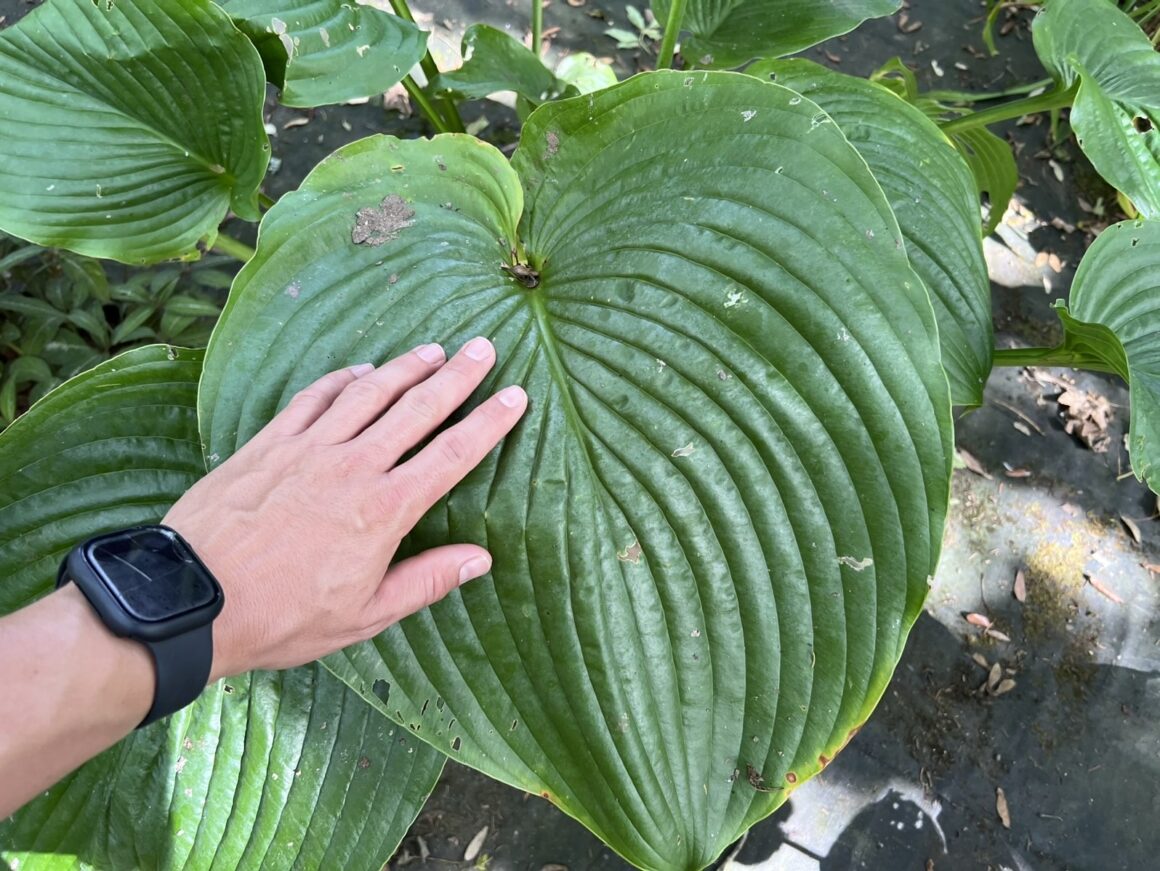
Hosta ‘Empress Wu’
Giant plantain lily
Also known as: Hosta hybrid ‘Empress Wu’
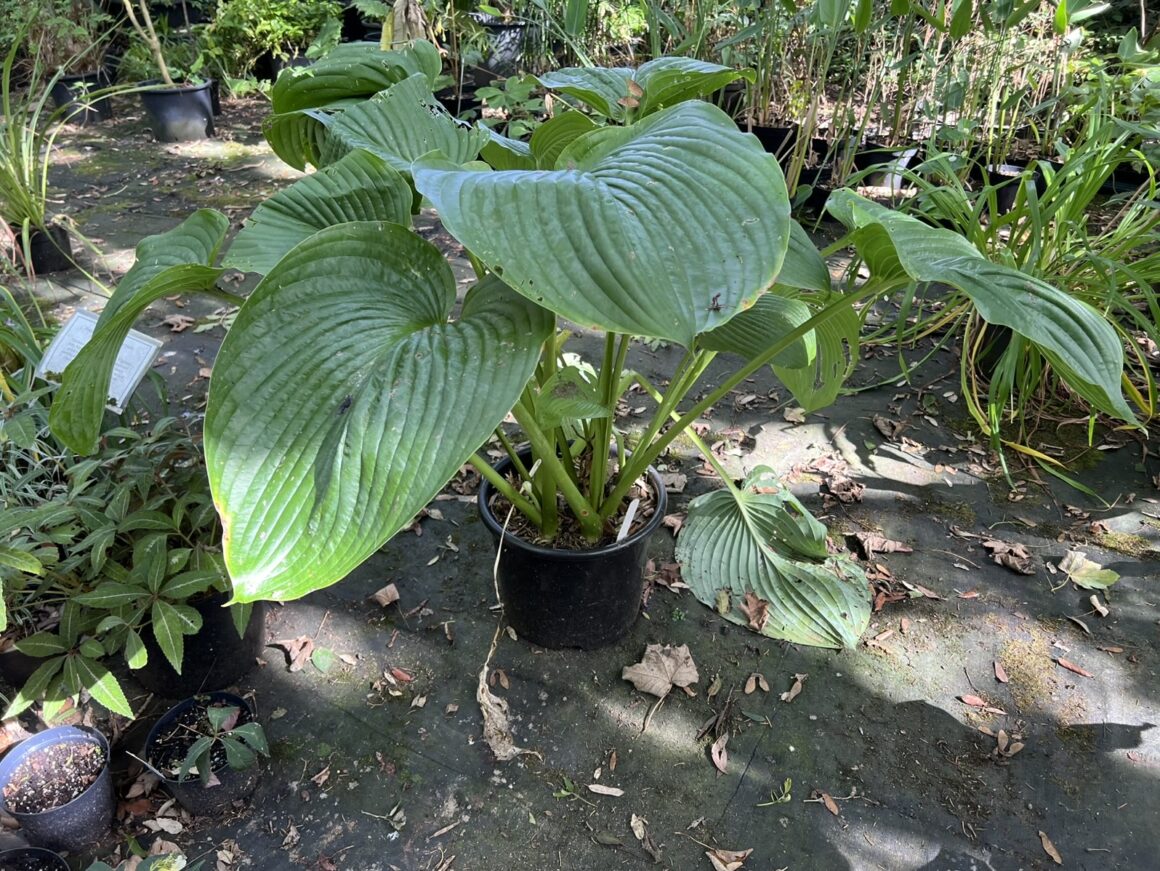
An immense hosta with heavily veined blue-green leaves and tall spikes of pale violet flowers.
- Partial shade
- 1–1.5 m (3–5 ft)
- 1.2–1.8 m (4–6 ft)
- H7 · Zone 3
- July–August
- Deciduous
Overview
One of the largest hostas, this clump-forming perennial develops enormous, corrugated leaves that make a bold woodland focal point. Pale violet flowers rise above the mound in midsummer.
At a Glance
Sun
Partial shade
Height
1–1.5 m (3–5 ft)
Spread
1.2–1.8 m (4–6 ft)
Hardiness
H7 · Zone 3
Flowers
July–August
Soil
Clay, Loam
Moisture
Moist well drained
Habit
Clump forming, Mound-forming
Water
High
Growing Conditions
Min. Temperature
-25°C (-13°F)
pH Range
5.5–7.5
Fertility
Fertile
Aspect Suitability
- North-facing
- East-facing
- West-facing
Soil Tolerance
- Clay
- Loam
- Acid
- Neutral pH
- Alkaline
Foliage
Persistence
Deciduous
Colour
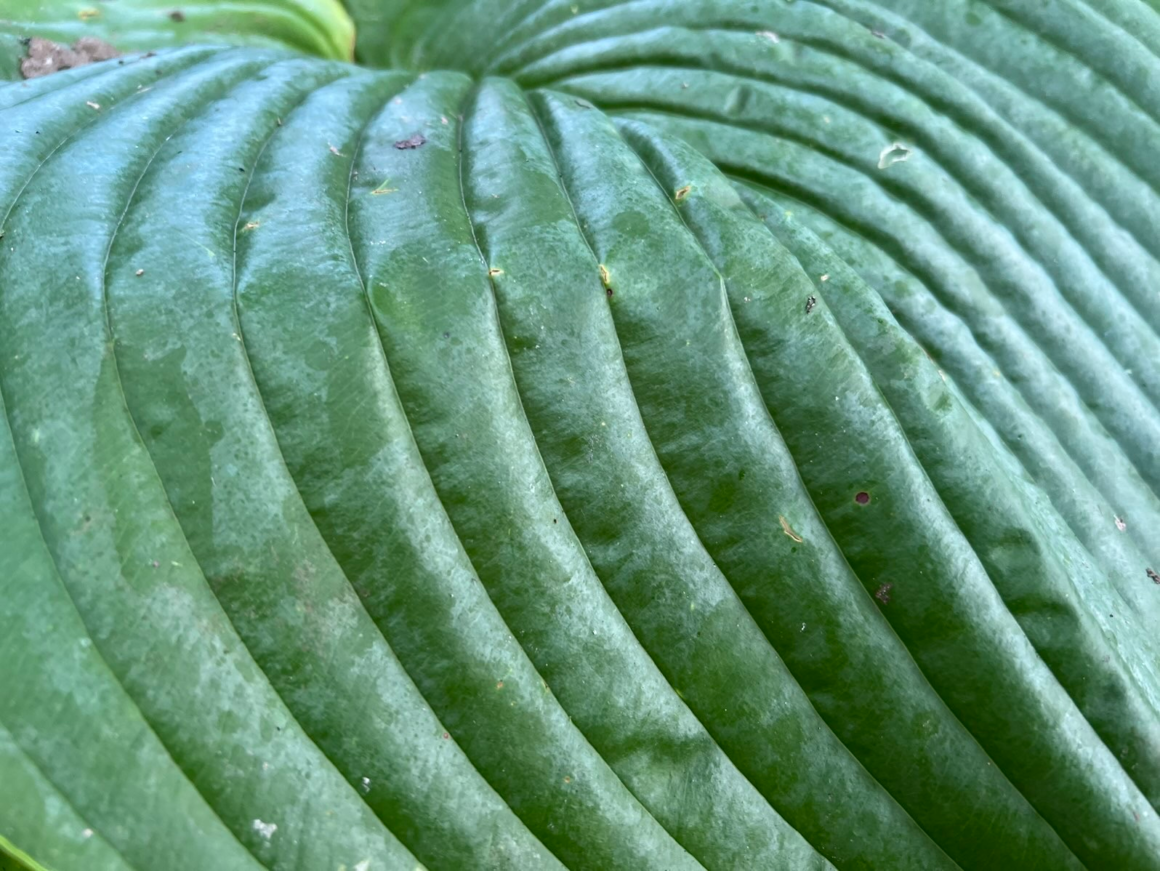
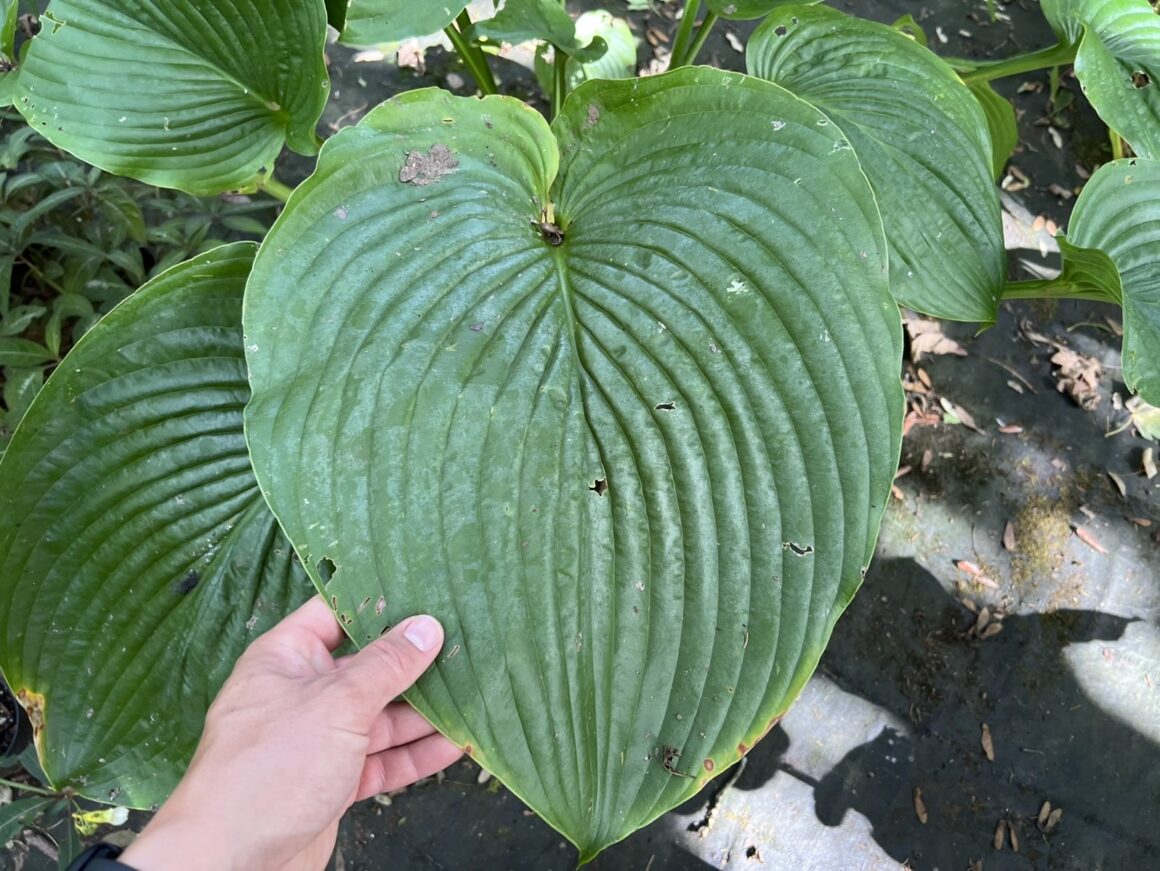
Blue-green, Grey-green
Leaf shape / texture
Broad ovate|Corrugated
- Autumn colour
- Architectural foliage
Foliage interest: April–October
Seasonal Timeline
Jan
Feb
Mar
Apr
May
Jun
Jul
Aug
Sep
Oct
Nov
Dec
Flowering
Foliage
Propagate
- Flowering Jul Aug
- Foliage Apr May Jun Jul Aug Sep Oct
- Propagate Mar Apr Aug Sep
Maintenance Calendar
- Feb Protect emerging shoots from slugs and snails
- Mar Divide only if needed before leaves unfurl
- May Mulch and water deeply during dry weather
- Nov Remove collapsed leaves and check the crown
Garden Design
Works well in: Container, Cottage, Groundcover, Specimen, Underplanting, Woodland
Give it room to reach full size and use smaller ferns or spring bulbs around the dormant crown.
Companion planting: Ferns, Rodgersias, Astilbes, Japanese maples
Wildlife Value
- Bees
- Other pollinators
- Shelter
- other_pollinators
Safety
- Toxic to dogs
- Toxic to cats
- Toxic to horses
Contains saponins and may cause illness if eaten by pets or horses.