

Shrub
Echium candicans
Pride of Madeira
Also known as: Echium fastuosum
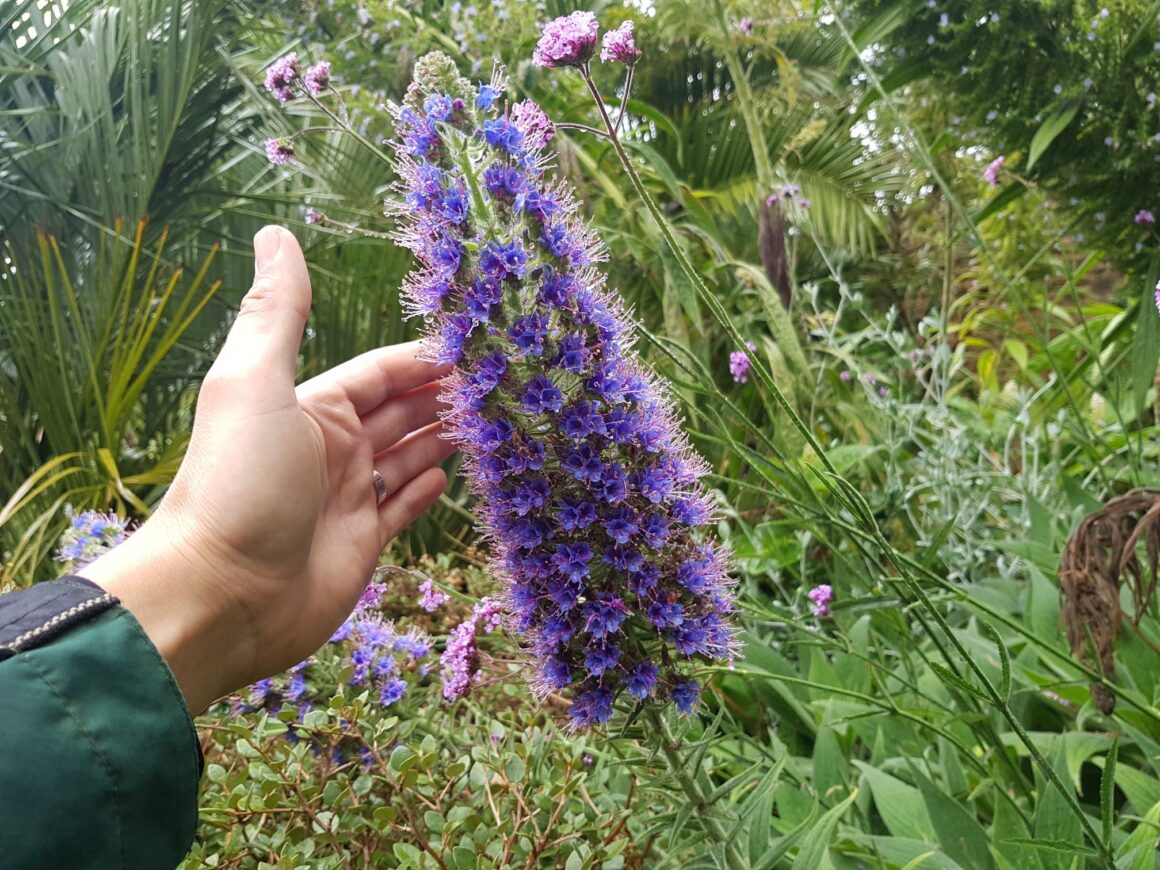
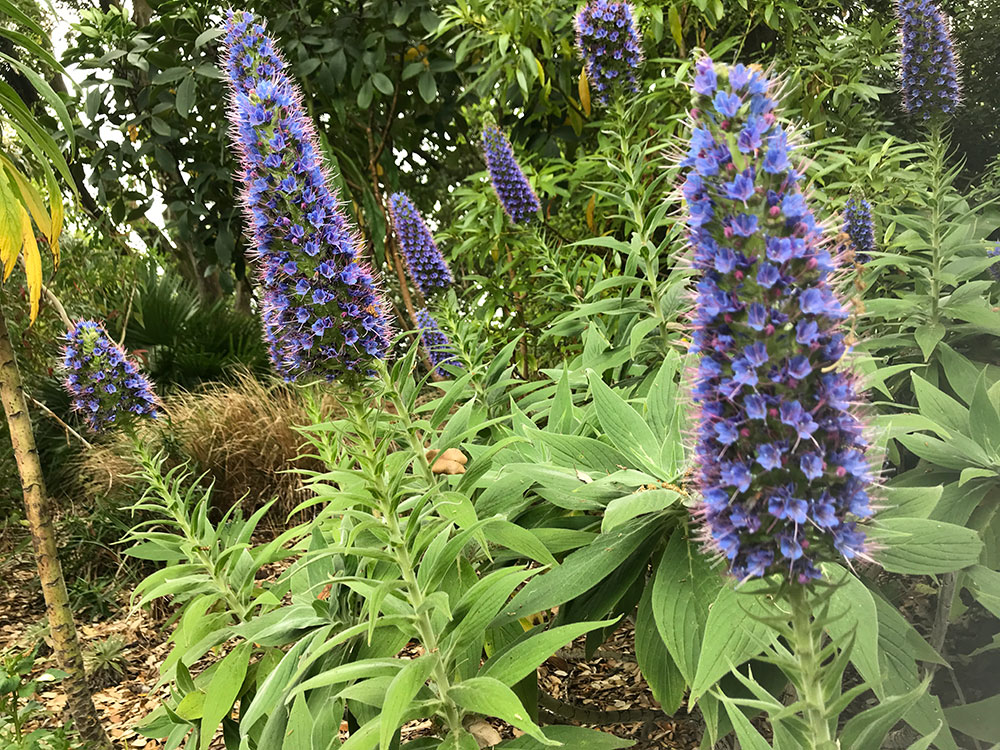
A dramatic evergreen shrub with silvery foliage and towering spikes of intense blue-purple flowers.
- Full sun
- 1.5–2.5 m (5–8 ft)
- 1.5–2 m (5–7 ft)
- H2 · Zone 9
- May–July
- Evergreen
Overview
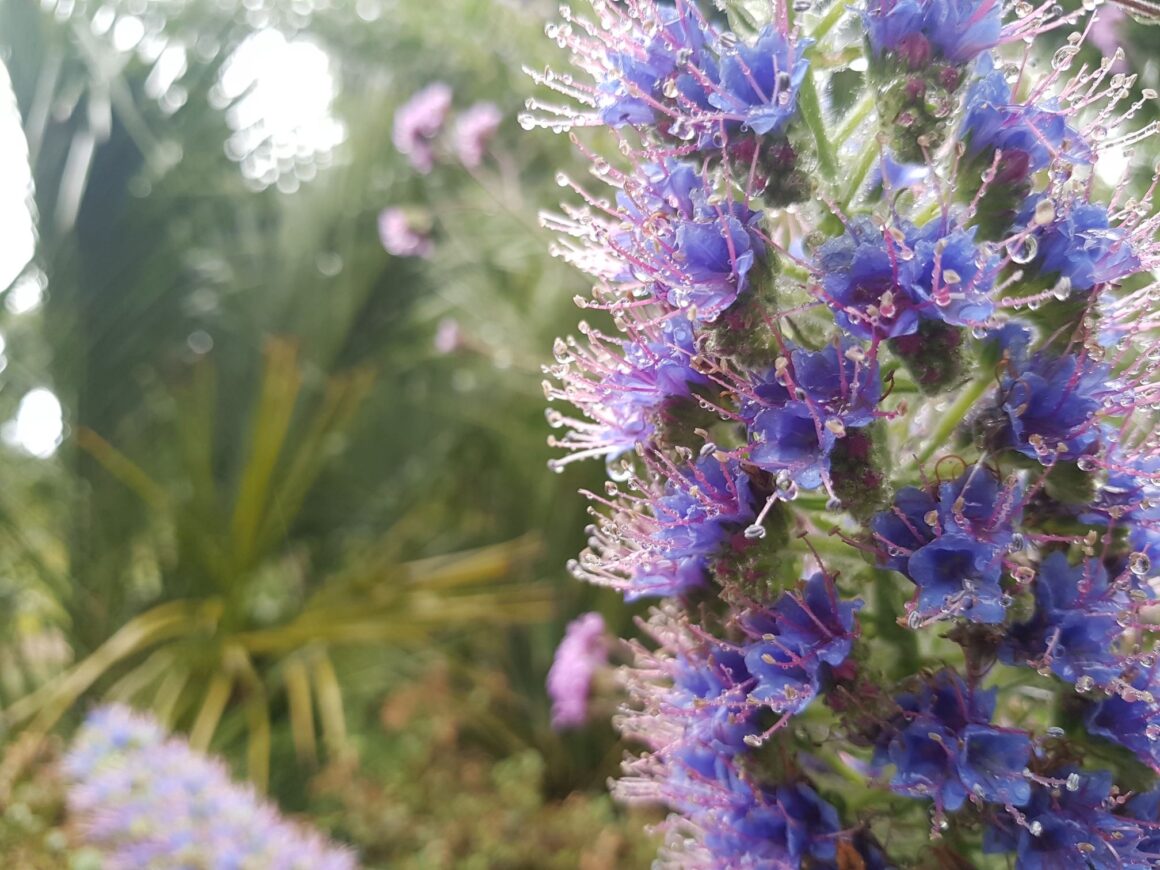
This short-lived Madeiran shrub forms a mound of felted, silver-grey leaves from which enormous, densely packed spikes of vivid blue-purple flowers rise in early summer, buzzing with bees. It needs a hot, sheltered, well-drained spot to survive a UK winter outdoors and is often grown as a striking short-term feature or container plant in colder areas.
At a Glance
Growing Conditions
Aspect Suitability
- South-facing
- West-facing
Site Tolerance
- Wind
- Coastal
- Salt
- Drought
Soil Tolerance
- Sandy
- Loam
- Neutral pH
- Alkaline
Foliage
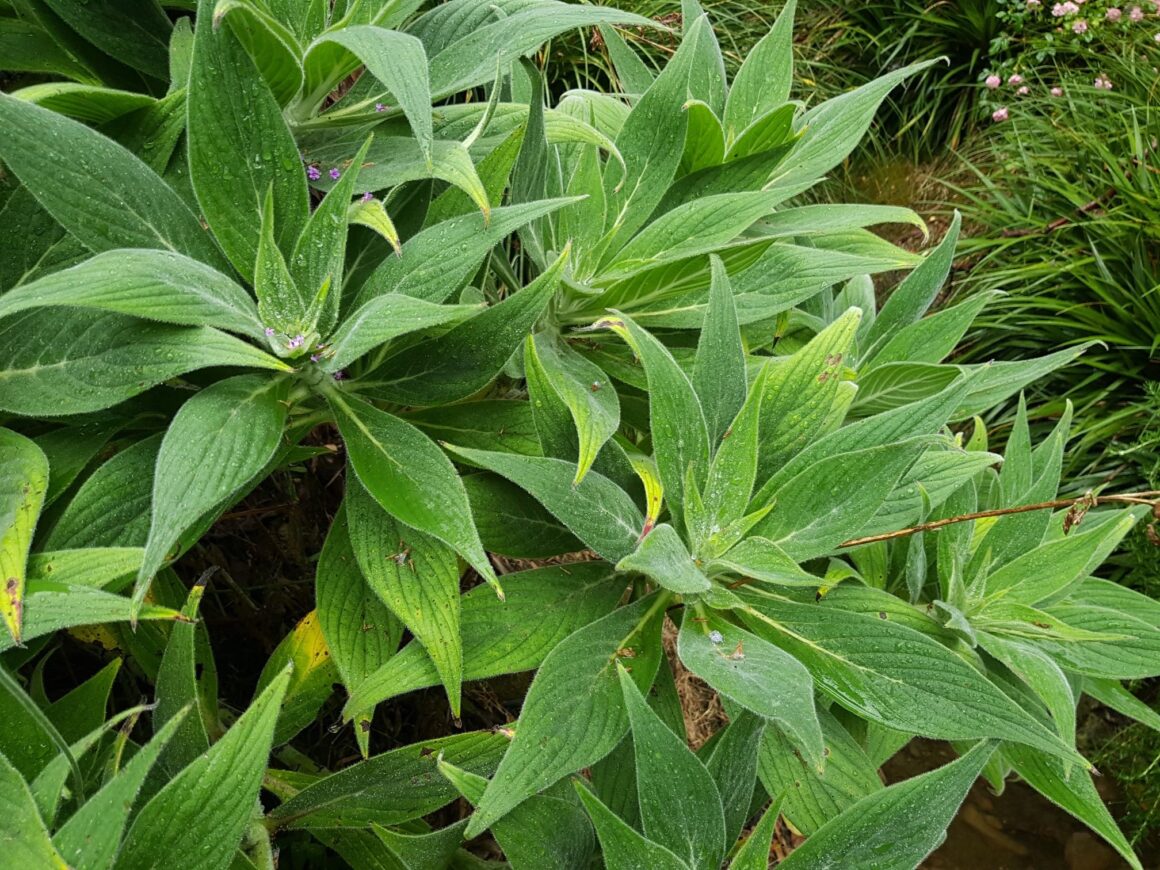
- Architectural foliage
Foliage interest: 12 months of the year
Seasonal Timeline
- Flowering May Jun Jul
- Foliage 12 months of the year
- Propagate Jul Aug Sep
Maintenance Calendar
- Mar Cut back straggly growth once frost risk has passed
- May Plant out into sharply drained soil
- Jul Take semi-ripe cuttings as insurance against winter loss
- Aug Remove spent flower spikes to tidy the plant
- Nov Fleece plants in cold spells or move pots under cover
Garden Design
Works well in: Bog, Coastal, Gravel, Mediterranean, Tropical, Tropical / Exotic
Best against a warm south-facing wall or in a sheltered coastal garden in sharply drained, poor soil; treat as short-lived
Companion planting: Agaves, Cistus, Mediterranean gravel plants
Wildlife Value
- Bees
- Butterflies
- Other pollinators
Safety
- Skin irritant
Leaf hairs can irritate skin; wear gloves when handling and pruning.