

Palm · Tree
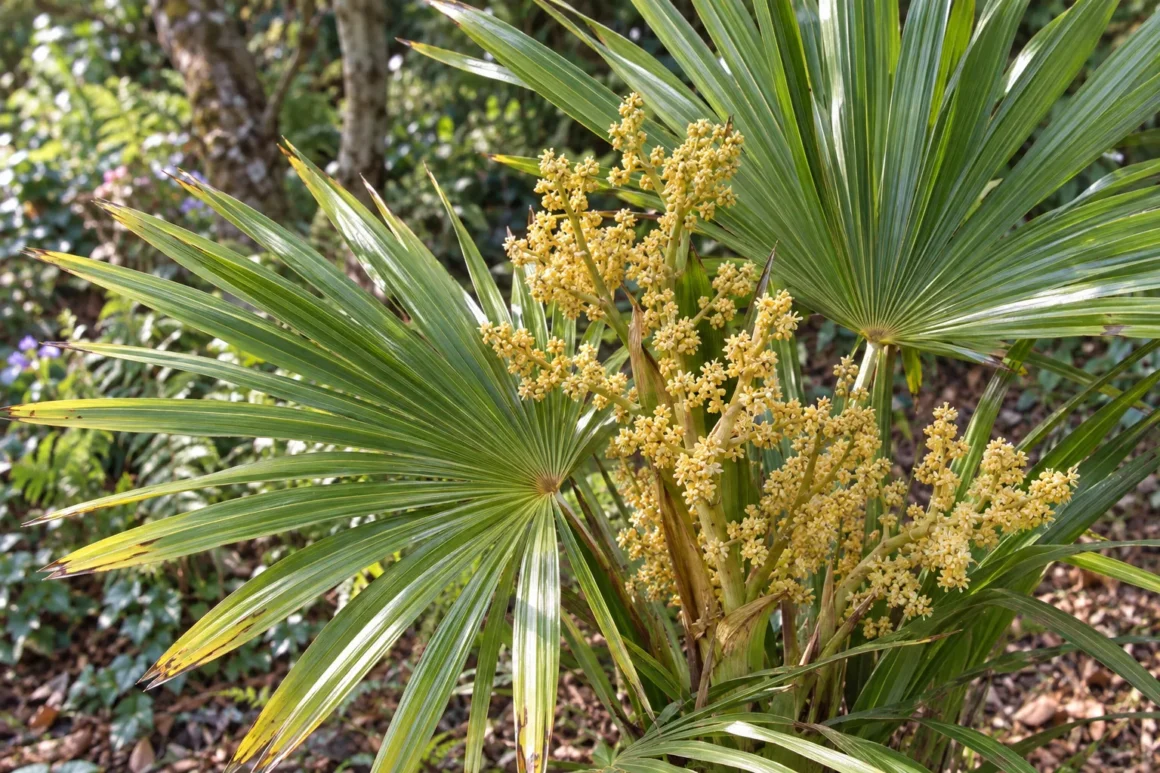
Trachycarpus wagnerianus
Miniature Chusan palm
Also known as: Trachycarpus fortunei 'Wagnerianus', Trachycarpus fortunei var. wagnerianus
A compact, wind-resistant windmill palm with small, stiff, neatly pleated fan leaves.
- Full sun, Partial shade
- 4–8 m (13–26 ft)
- 1.5–2.5 m (5–8 ft)
- H5 · Zone 7
- May–June
- Evergreen
- RHS Award of Garden Merit
Overview
Known only from cultivation in Japan and China, this close relative of the Chusan palm has much smaller, stiffer leaves edged with fine white hairs when young. Because the leaves are rigid they resist tearing, making it a far better choice than Trachycarpus fortunei for windy or coastal gardens. It is just as hardy, coping with about -15°C once established, and grows slowly into a neat trunked palm that suits courtyards and large containers.
At a Glance
Growing Conditions
Aspect Suitability
- East-facing
- South-facing
- West-facing
Site Tolerance
- Exposed sites
- Wind
- Coastal
Soil Tolerance
- Chalk
- Sandy
- Loam
- Acid
- Neutral pH
- Alkaline
Foliage
- Architectural foliage
Foliage interest: 12 months of the year
Seasonal Timeline
- Flowering May Jun
- Foliage 12 months of the year
- Fruiting Sep Oct Nov
- Propagate Mar Apr May
How to propagate
One way to grow more Miniature Chusan palm: the usual steps for each method.
From seed Mar–May Easy
You'll need: Seed compost, a seed tray or small pots, labels, and a clear lid or plastic bag.
- Fill a tray or pots with seed compost, level it and firm it gently.
- Water the compost and let it drain.
- Sow the seeds thinly on top. Cover them with a fine layer of compost or vermiculite about as deep as the seed is big; leave tiny seeds uncovered.
- Label them, cover with a clear lid or bag, and keep them somewhere bright but out of hot sun.
- Keep the compost just moist, and take the cover off once seedlings appear.
- How long
- Usually comes up in 1 to 3 weeks.
- It's worked when
- Seedlings with their first pair of leaves.
- Then
- When each has its first true leaves, prick them out into their own small pots, holding them by a leaf, never the stem. Harden them off for a week or two before planting out.
Sow fresh seed in warmth; seedlings grow slowly. It hybridises freely with T. fortunei, so seed from mixed plantings may not come true.
Garden Design
Works well in: Japanese / Zen, Mediterranean, Modern / Contemporary, Tropical / Exotic
The best Trachycarpus for exposed, windy or seaside gardens and roof terraces. Its compact crown suits small courtyards and big pots where a full-size Chusan palm would be too large.
Companion planting: Phormiums, Ornamental grasses, Agaves, Hardy succulents
Wildlife Value
- Bees
- Shelter