

Bromeliad · Perennial
Puya alpestris
Sapphire tower
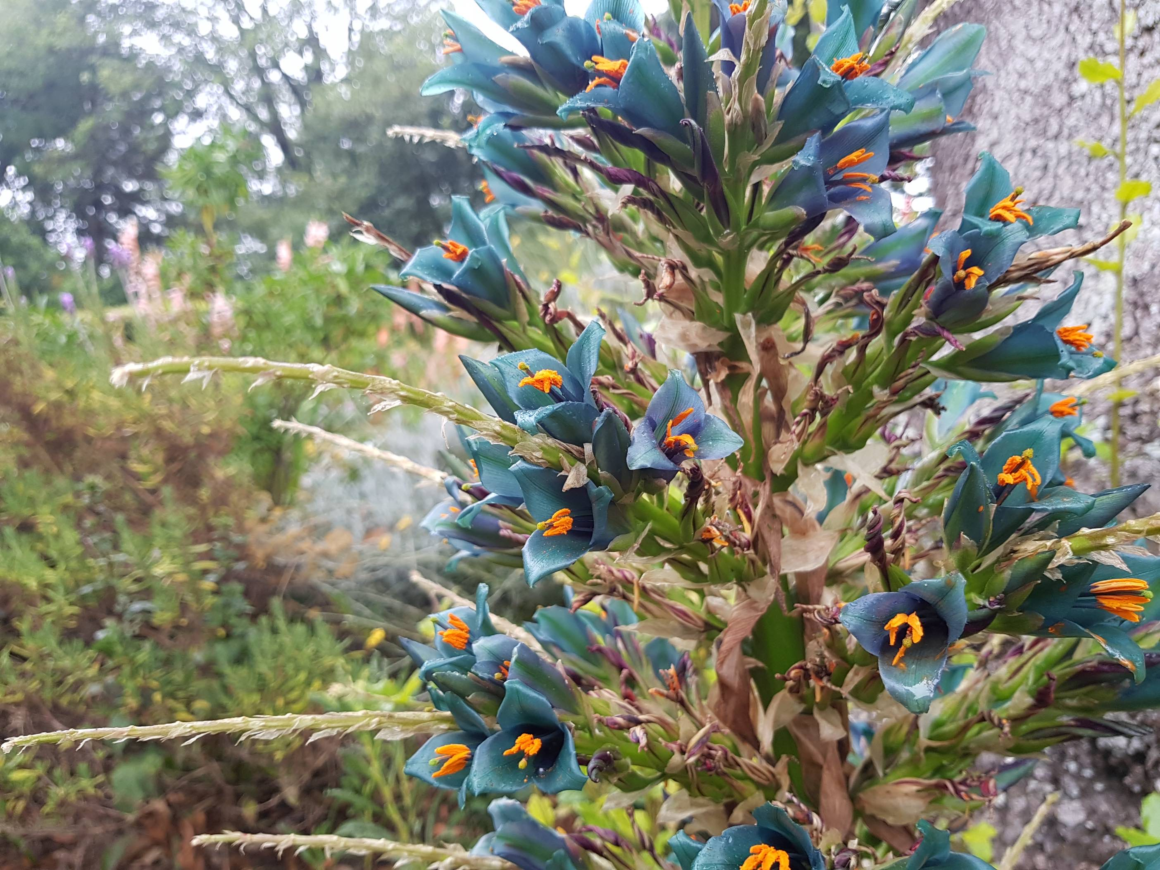
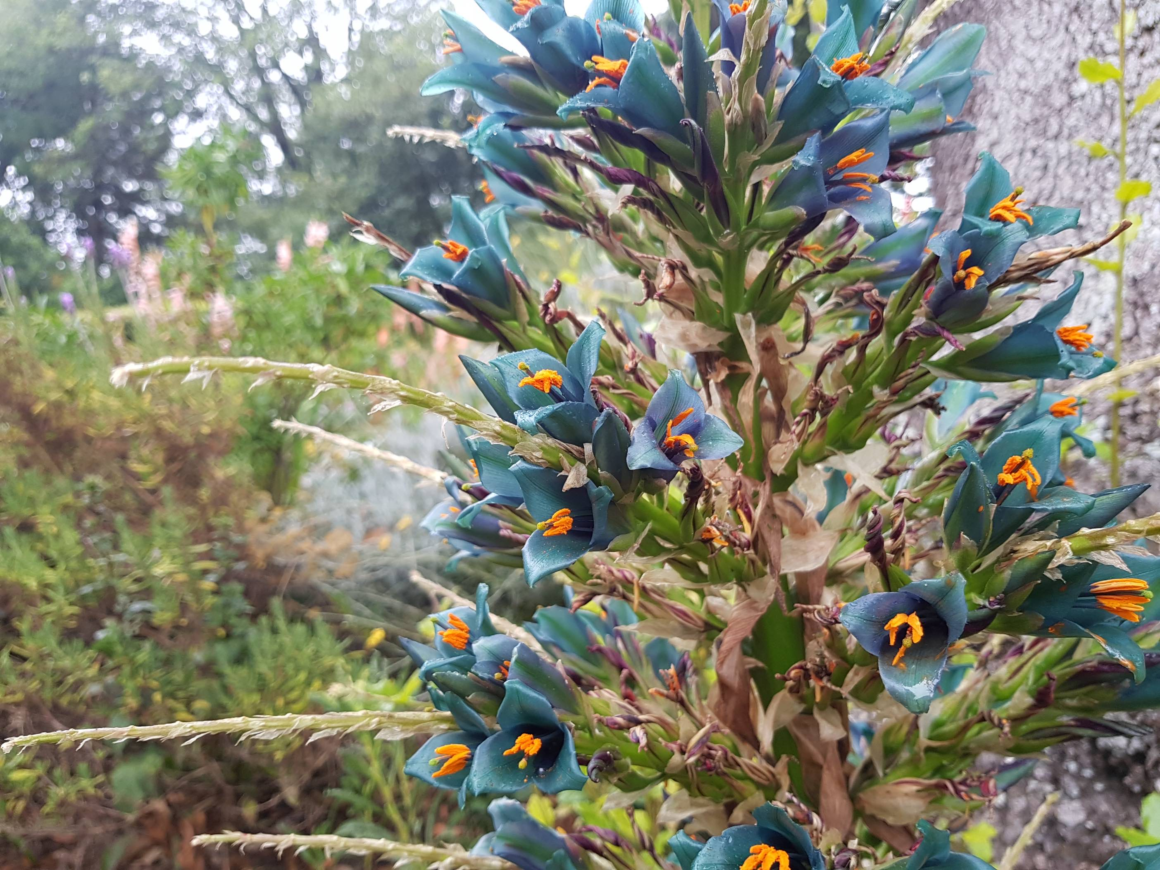
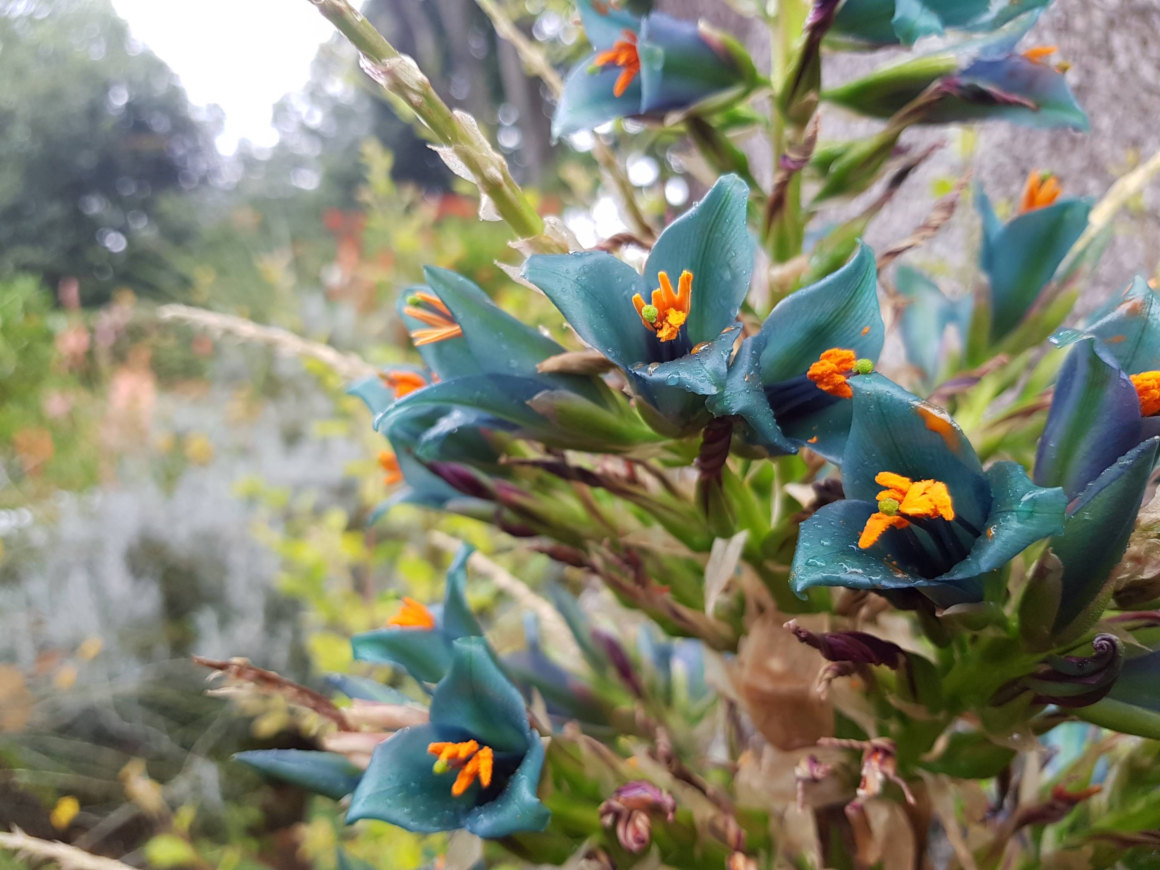
A spiny, silver-green Chilean bromeliad that eventually sends up spectacular spikes of metallic turquoise flowers.
- Full sun
- 0.6–1.5 m (2–5 ft)
- 0.5–1 m (2–3 ft)
- H3 · Zone 9
- June–July
- Evergreen
Overview
This ground-dwelling relative of the pineapple forms dense clumps of arching, silvery-green leaves edged with hooked spines. After several years a mature rosette sends up a stout spike to about 1.5m carrying flowers of an extraordinary metallic turquoise-blue to near-black, set off by bright orange anthers. In Chile they are pollinated by perching birds. The rosette that flowered slowly dies, but the clump carries on through the offsets around it. It is hardy to around -5°C (23°F) in very well-drained, dry soil, so in wet-winter climates grow it in a raised gravel bed, at the foot of a sunny wall or in a pot that can stay dry over winter.
At a Glance
Growing Conditions
Aspect Suitability
- South-facing
- West-facing
Site Tolerance
- Coastal
- Drought
Soil Tolerance
- Sandy
- Loam
- Acid
- Neutral pH
- Alkaline
Foliage
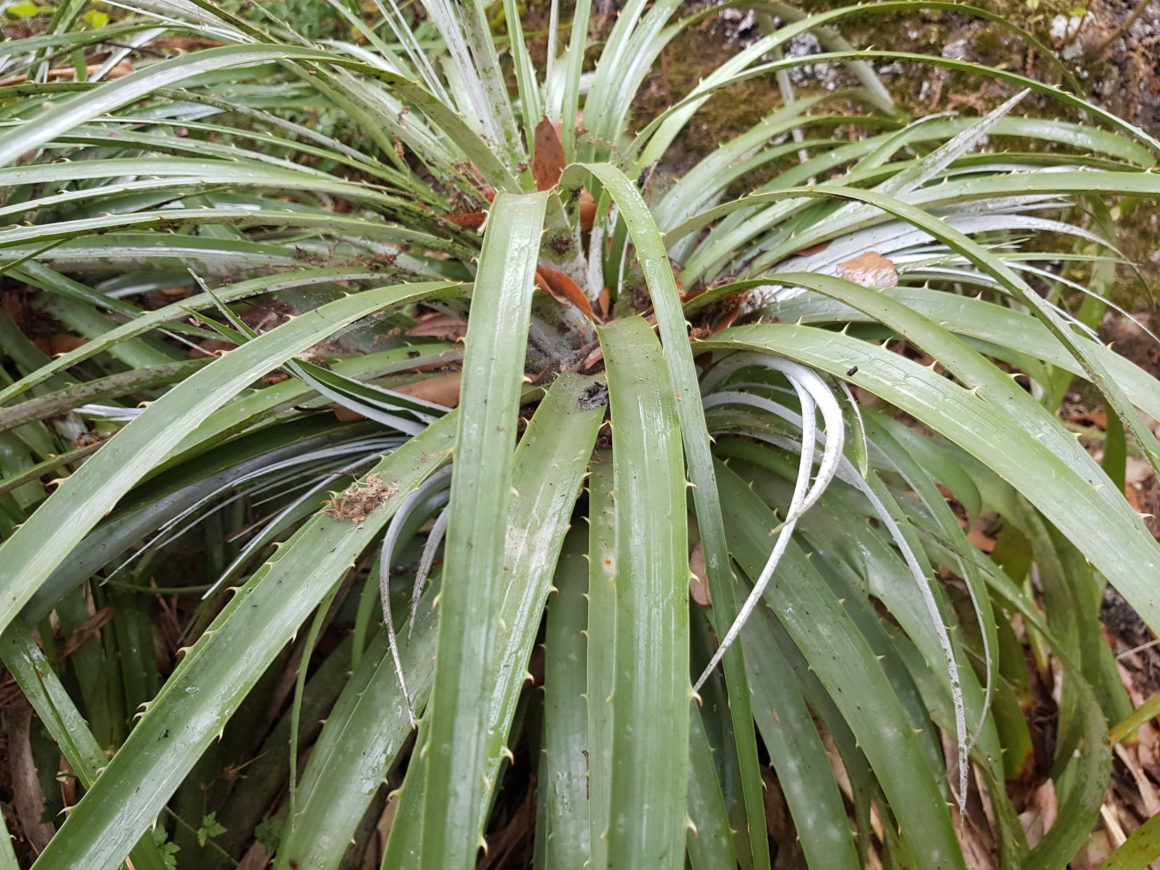
- Architectural foliage
Foliage interest: 12 months of the year
Seasonal Timeline
- Flowering Jun Jul
- Foliage 12 months of the year
- Fruiting Aug Sep Oct
- Propagate Apr May Jun
How to propagate
Ways to grow more Sapphire tower: the usual steps for each method.
Offsets, runners and bulblets Apr Easy
You'll need: A trowel, small pots and compost.
- Find the small plants, offsets or bulblets growing beside the parent plant, or on its runners.
- Gently separate them with some roots, cutting any runner from the parent.
- Pot them up, or replant them at the same depth, and water.
- How long
- Grows on within a few weeks.
- It's worked when
- New leaves on the young plants.
- Then
- Grow them on until they're a good size before planting out.
From seed Apr–May Easy
You'll need: Seed compost, a seed tray or small pots, labels, and a clear lid or plastic bag.
- Fill a tray or pots with seed compost, level it and firm it gently.
- Water the compost and let it drain.
- Sow the seeds thinly on top. Cover them with a fine layer of compost or vermiculite about as deep as the seed is big; leave tiny seeds uncovered.
- Label them, cover with a clear lid or bag, and keep them somewhere bright but out of hot sun.
- Keep the compost just moist, and take the cover off once seedlings appear.
- How long
- Usually comes up in 1 to 3 weeks.
- It's worked when
- Seedlings with their first pair of leaves.
- Then
- When each has its first true leaves, prick them out into their own small pots, holding them by a leaf, never the stem. Harden them off for a week or two before planting out.
Cut away rooted offsets in late spring with thick gloves on. Seed sown in warmth germinates well but takes many years to reach flowering size.
Maintenance Calendar
- Apr Use long tongs to pull dead leaves from the clump, which lets air and light reach the healthy rosettes without your hands touching the spines
- May Separate crowded offsets if needed, as clumps that are too congested flower less
- Aug Cut out the dead flower stem and the spent rosette once it browns, making room for offsets
- Nov Keep winter rain off the crown with a pane of glass or cloche, or move the pot under cover, because cold and wet together cause rot
Garden Design
Works well in: Desert / Dry, Mediterranean, Modern / Contemporary, Tropical / Exotic
The centrepiece of a dry or gravel garden. Place it where the flower spike can be seen against the sky or a dark background, but never next to a path.
Companion planting: Agaves, Aloes, Grasses, Gravel plants
Wildlife Value
- Bees
- Other pollinators
- Birds
Safety
- Skin irritant
Not known to be toxic, but the leaves carry sharp, hooked spines that catch skin and clothing; wear thick gloves and keep it away from paths.