

Perennial · Tree
Strelitzia nicolai
Giant white bird of paradise
Also known as: Strelitzia alba subsp. nicolai
A huge, banana-like evergreen with paddle-shaped leaves and dramatic blue-and-white 'bird' flowers.
- Full sun, Partial shade
- 2–1 m (7–33 ft)
- 1.5–4 m (5–13 ft)
- H1b · Zone 11
- March–June
- Evergreen
Overview
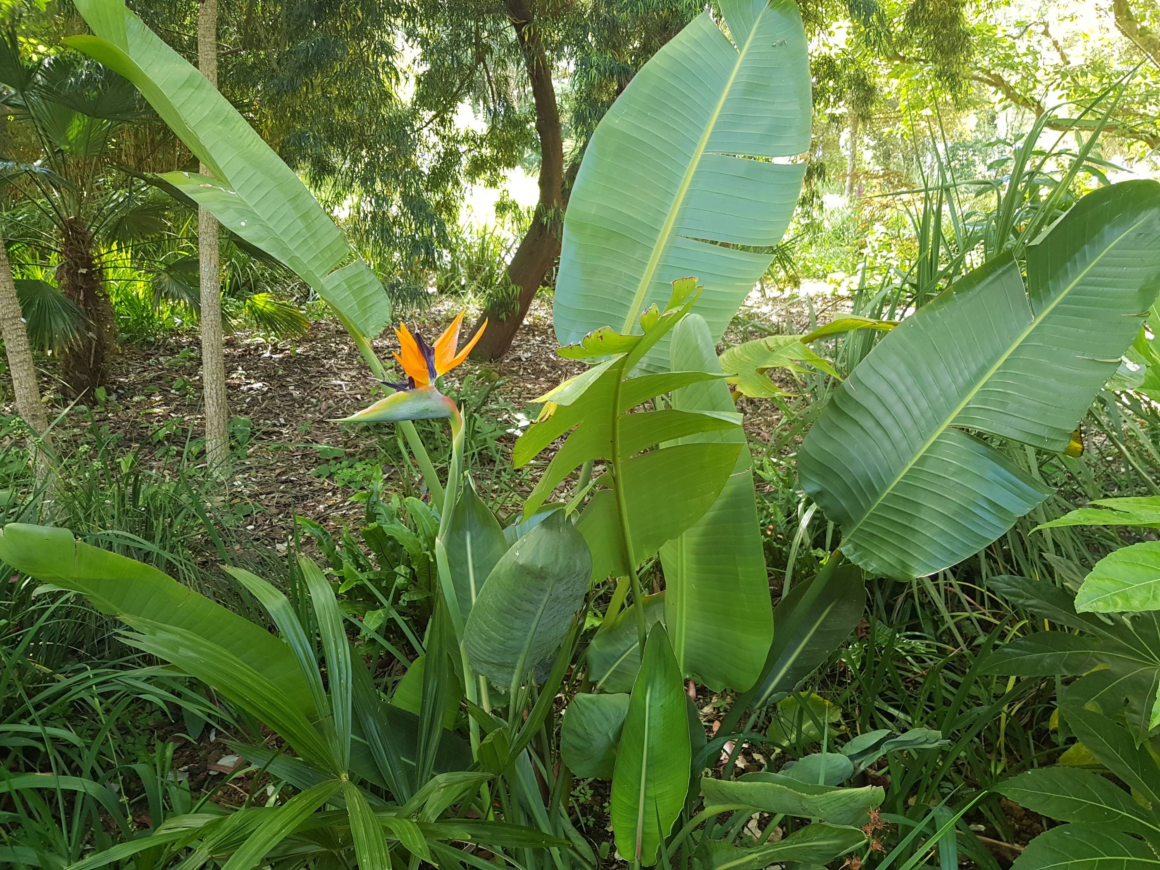
Native to coastal forests of South Africa and Mozambique, this giant relative of the orange bird of paradise forms clumps of woody, palm-like stems topped with fans of enormous, leathery, banana-like leaves. Mature plants produce large flowers like a bird's head, with white petals and a blue 'tongue' emerging from a dark purple-black, beak-like bract. It needs a minimum of about 10°C (50°F), so outside frost-free climates it is grown as a large houseplant or conservatory plant, where it typically reaches 2-3m. Outdoors in frost-free gardens it can reach 8-10m.
At a Glance
Growing Conditions
Aspect Suitability
- East-facing
- South-facing
- West-facing
Site Tolerance
- Coastal
Soil Tolerance
- Sandy
- Loam
- Acid
- Neutral pH
- Alkaline
Foliage
- Architectural foliage
Foliage interest: 12 months of the year
Seasonal Timeline
- Flowering Mar Apr May Jun
- Foliage 12 months of the year
- Propagate Apr May Jun
How to propagate
Ways to grow more Giant white bird of paradise: the usual steps for each method.
Division Apr Easy
You'll need: A garden fork or spade (two forks back to back help with big clumps) and a sharp knife.
- Water the plant well the day before.
- Dig up the whole clump with a fork, keeping as much root as you can.
- Split it into pieces about the size of your fist, each with healthy roots and shoots: pull them apart by hand, or cut tough clumps with a knife or spade.
- Throw away any old, woody middle.
- Replant the pieces straight away at the same depth, and water them in well.
- How long
- Settles in within a few weeks.
- It's worked when
- Fresh new growth within a few weeks.
- Then
- Water in dry spells for the rest of the season.
Offsets, runners and bulblets Apr Easy
You'll need: A trowel, small pots and compost.
- Find the small plants, offsets or bulblets growing beside the parent plant, or on its runners.
- Gently separate them with some roots, cutting any runner from the parent.
- Pot them up, or replant them at the same depth, and water.
- How long
- Grows on within a few weeks.
- It's worked when
- New leaves on the young plants.
- Then
- Grow them on until they're a good size before planting out.
From seed Apr–May Easy
You'll need: Seed compost, a seed tray or small pots, labels, and a clear lid or plastic bag.
- Fill a tray or pots with seed compost, level it and firm it gently.
- Water the compost and let it drain.
- Sow the seeds thinly on top. Cover them with a fine layer of compost or vermiculite about as deep as the seed is big; leave tiny seeds uncovered.
- Label them, cover with a clear lid or bag, and keep them somewhere bright but out of hot sun.
- Keep the compost just moist, and take the cover off once seedlings appear.
- How long
- Usually comes up in 1 to 3 weeks.
- It's worked when
- Seedlings with their first pair of leaves.
- Then
- When each has its first true leaves, prick them out into their own small pots, holding them by a leaf, never the stem. Harden them off for a week or two before planting out.
Separate rooted side shoots with a sharp knife in late spring. Seed needs warmth (about 25°C), and seedlings take many years to flower.
Maintenance Calendar
- Apr Feed every two to four weeks through spring and summer, when it is putting out new leaves
- May Repot only when roots fill the pot, since a slightly cramped plant is more likely to flower
- Jul Wipe the leaves and check leaf bases for mealybugs and scale, which hide in the folds
- Oct Water less in winter, letting the top few centimetres of compost dry out between waterings, as the plant grows slowly in low light
Garden Design
Works well in: Modern / Contemporary, Tropical / Exotic
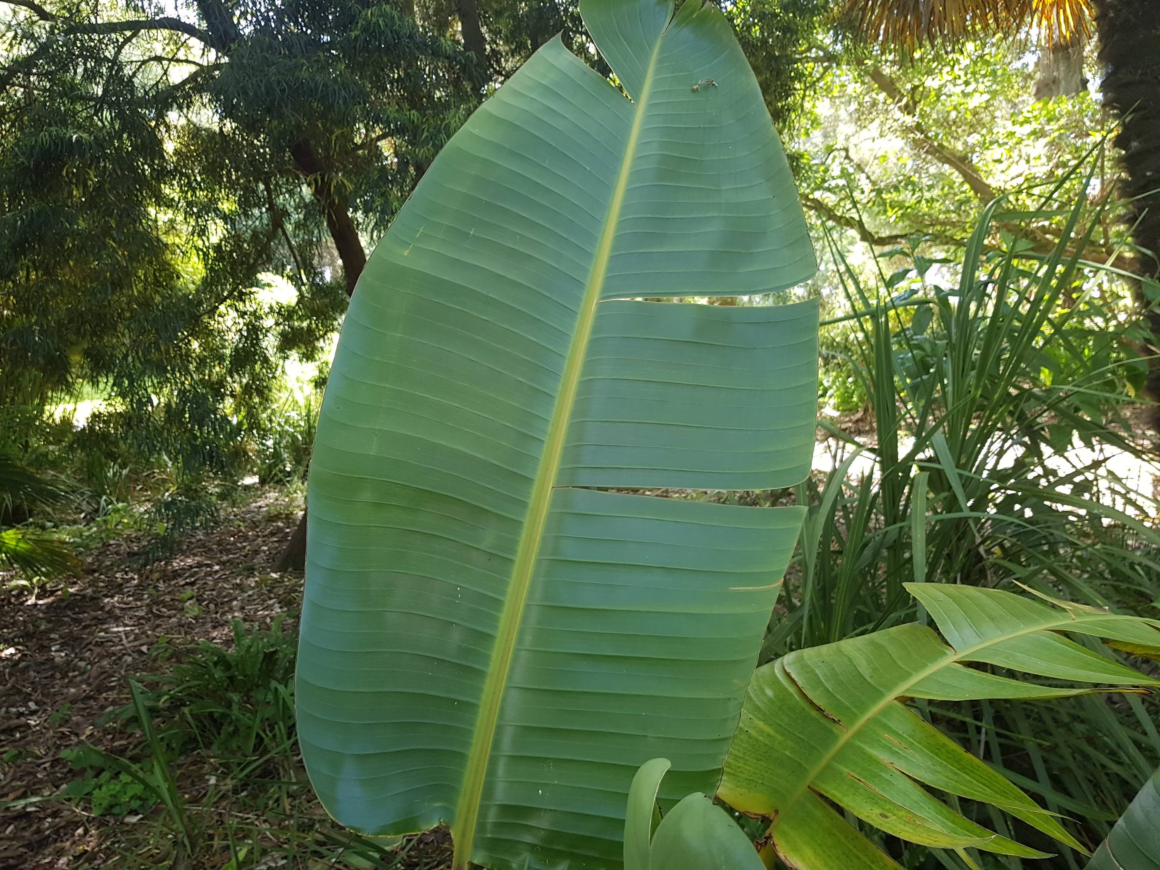
A statement houseplant for a bright room or conservatory. Leaves naturally split along the veins, which is normal, but avoid draughts and wind to keep them tidy.
Companion planting: Bananas, Monstera, Palms, Bird's nest ferns
Wildlife Value
- Birds
- Shelter
Safety
- Toxic to dogs
- Toxic to cats
Seeds and fruit are considered mildly toxic to dogs and cats, causing stomach upset if chewed.