

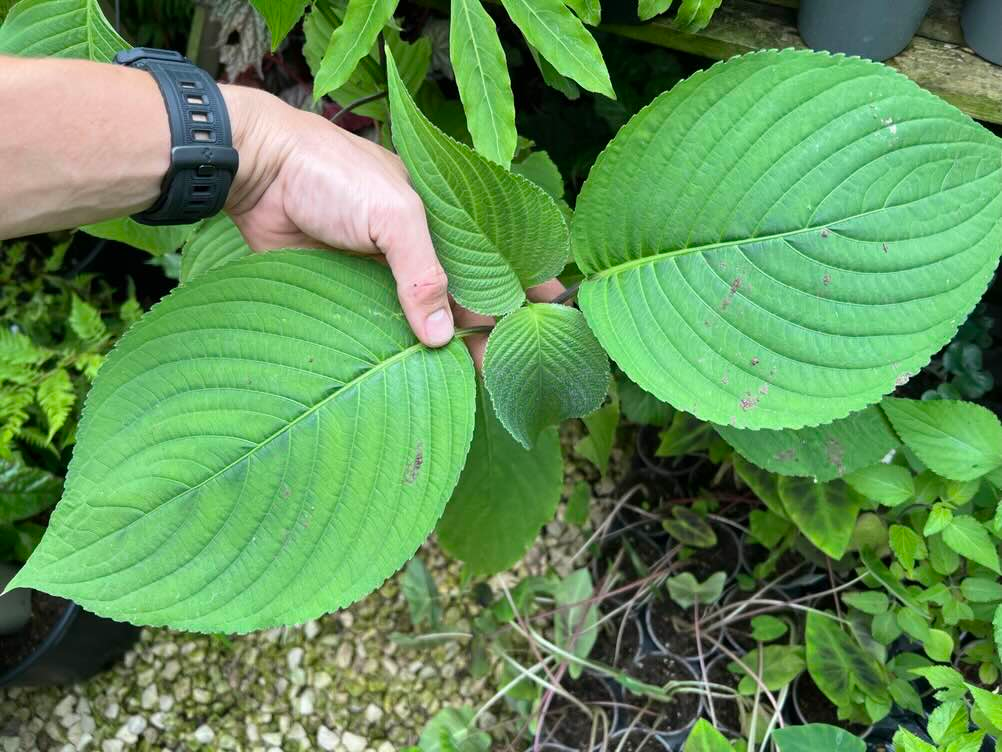
Evergreen shrub · Houseplant · Tender perennial
Strobilanthes mastersii
Strobilanthes mastersii
A little-known tender evergreen shrub from the Acanthaceae family, grown mainly as a curiosity plant for its foliage and occasional small tubular flowers.
- Full sun, Partial shade
- 0.6–1.2 m (2–4 ft)
- 45–90 cm (18–35 in)
- H1b · Zone 11
- July–September
- Evergreen
Overview
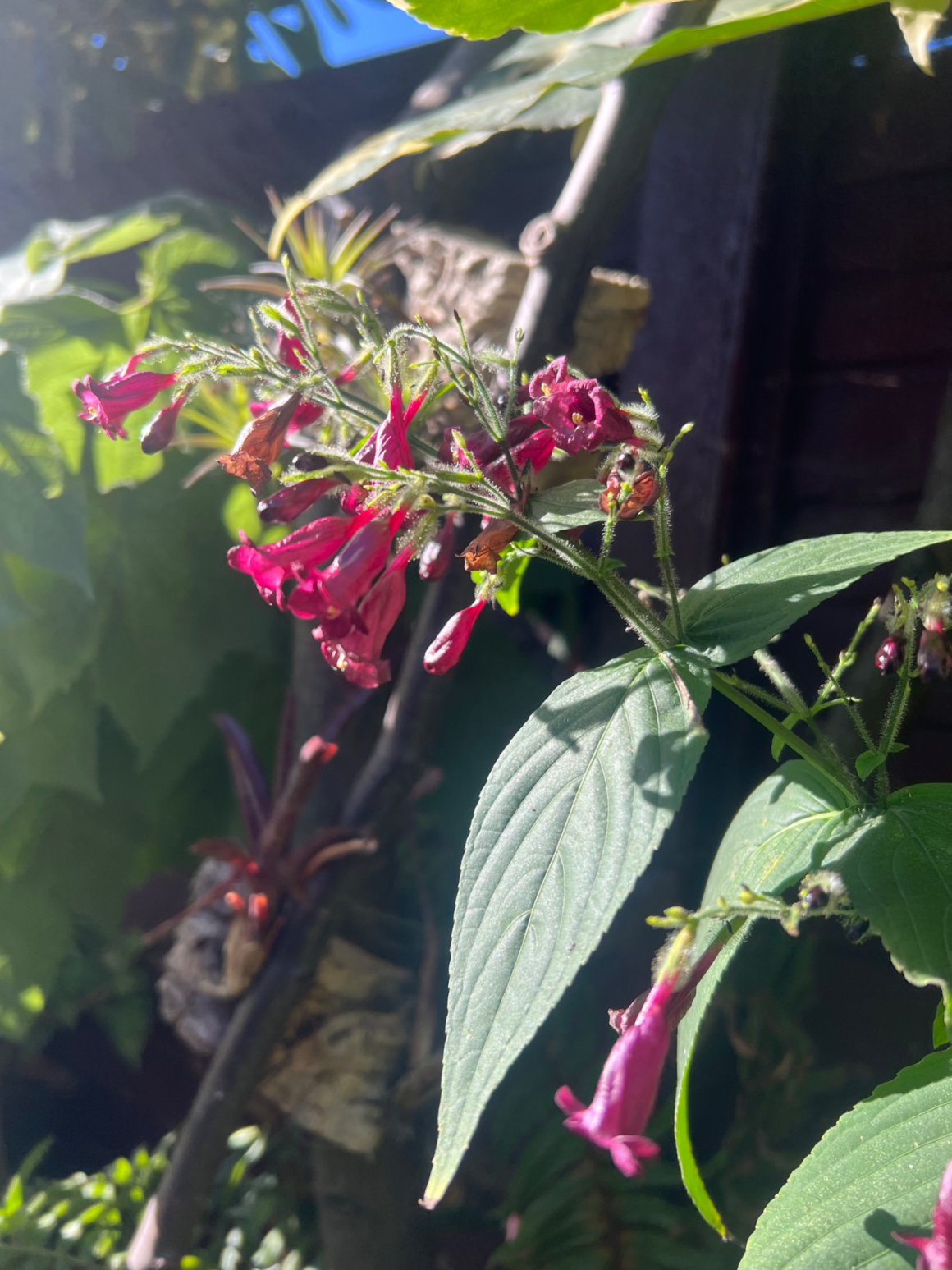
Strobilanthes mastersii is an uncommon tropical shrub belonging to the same family as the much-loved Persian shield. In its native warm, humid habitats it grows as a bushy evergreen with softly hairy, pointed leaves and short spikes of small, tubular flowers, usually in shades of blue or violet, much loved by pollinating insects where it is hardy outdoors.
In the UK this species is not reliably hardy and is best treated as a conservatory or houseplant subject, kept frost-free all year round. It is rarely offered for sale here and specific growing information is limited, so most of what is known comes from its close relatives in the Strobilanthes genus, many of which share a preference for warmth, humidity and bright but indirect light.
Gardeners who do come across this plant are likely to be collectors or enthusiasts of unusual tropical foliage plants rather than typical border gardeners, as it needs protection from UK winters and is best suited to a heated greenhouse, conservatory or warm, bright windowsill.
At a Glance
Growing Conditions
Soil Tolerance
- Sandy
- Loam
- Acid
- Neutral pH
Foliage
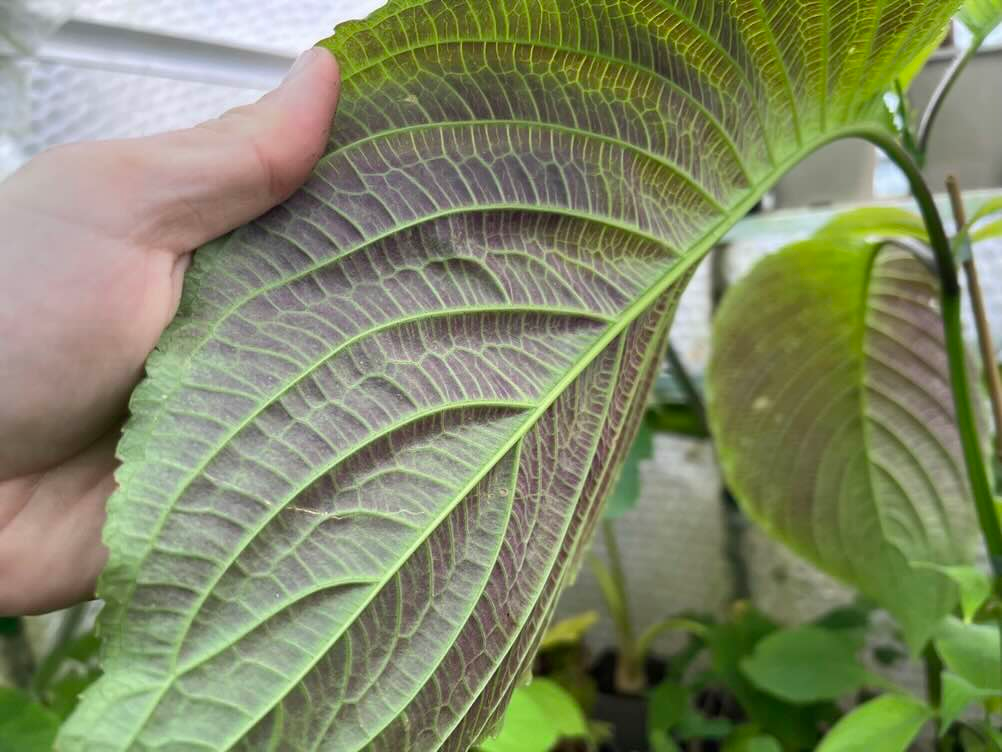

- Autumn colour
Foliage interest: 12 months of the year
Seasonal Timeline
- Flowering Jul Aug Sep
- Foliage 12 months of the year
- Fruiting Sep Oct
- Propagate Apr May Jun Jul Aug
How to propagate
Ways to grow more Strobilanthes mastersii:
Softwood cuttings Apr–Jun Takes a little care
You'll need: A sharp clean knife or secateurs, small pots, free-draining cuttings compost, rooting hormone (optional), a heated propagator or warm windowsill, and a clear bag or propagator lid for humidity.
- Choose a healthy, non-flowering shoot tip about 8 to 10cm long in spring as new growth is soft and pliable.
- Cut just below a leaf joint and remove the lower leaves, leaving two or three at the top.
- Dip the cut end in rooting hormone if using, then insert into free-draining, gritty cuttings compost.
- Water lightly and cover with a clear bag or propagator lid to keep humidity high.
- Place somewhere warm and bright but out of direct sun, ideally with bottom heat of 18 to 21 degrees Celsius.
- Check regularly, misting or ventilating briefly to prevent grey mould, and keep the compost just moist.
- How long
- Softwood cuttings usually root within three to five weeks with gentle warmth.
- It's worked when
- A gentle tug meets resistance, and you may see new leaves starting to unfurl from the tip.
- Then
- Pot into small individual pots of loam-based compost once rooted, grow on in warmth, and keep frost-free over the first winter before moving to larger containers in spring.
Semi-ripe cuttings Jul–Aug Takes a little care
You'll need: Secateurs, small pots, free-draining cuttings compost, rooting hormone (optional), and a warm humid spot such as a propagator or heated greenhouse.
- In mid to late summer, select a shoot that is firm at the base but still soft at the tip.
- Take a cutting around 10cm long, cutting just below a leaf node.
- Trim off the lower leaves and any soft tip growth, leaving a few leaves at the top.
- Insert the cutting into free-draining compost, firm gently, and water lightly.
- Cover to maintain humidity and keep at around 18 to 21 degrees Celsius, out of direct sun.
- Watch for signs of mould and ventilate briefly if the compost or air feels too damp.
- How long
- Semi-ripe cuttings typically take four to six weeks to root in warmth.
- It's worked when
- Roots are visible through the pot's drainage holes or the cutting resists a gentle tug and shows fresh growth.
- Then
- Pot on into individual pots once well rooted, keep in a warm, frost-free place over winter, and begin feeding lightly the following spring as growth resumes.
Take short tip cuttings in spring or summer, remove the lower leaves, and root them in a free-draining cutting compost with gentle warmth and high humidity. As a tender shrub, cuttings root best with bottom heat around 18 to 21 degrees Celsius, and young plants should be kept frost-free over winter.
Maintenance Calendar
- Jan Check for red spider mite and mealybug indoors
- Jan Keep compost just barely moist over winter
- Feb Inspect leaves for early pest activity
- Feb Increase light exposure as days lengthen
- Mar Begin fortnightly liquid feed as growth resumes
- Mar Repot into fresh compost if roots are crowded
- Apr Take softwood cuttings from new growth
- Apr Pinch growing tips to encourage bushy growth
- May Take semi-ripe cuttings for extra plants
- May Harden off gradually before moving outside
- Jun Move containers outside once frost risk has passed
- Jun Feed fortnightly with balanced liquid fertiliser
- Jul Remove faded flower spikes to tidy growth
- Jul Water regularly to keep compost evenly moist in summer heat
- Aug Check for whitefly and aphids on new growth
- Aug Continue removing spent flowers
- Sep Reduce feeding as growth slows
- Sep Prepare plants to move indoors before first frosts
- Oct Bring plants under cover before cold nights arrive
- Oct Inspect thoroughly for pests before bringing indoors
- Nov Cut back watering for the dormant winter period
- Nov Maintain a minimum temperature of 5°C
- Dec Monitor indoor plants for pests in warm, dry air
- Dec Ensure plants get as much bright light as possible
Garden Design
Works well in: Modern / Contemporary, Tropical / Exotic
Best grown as a feature container plant on a patio or in a conservatory, where its glossy foliage and late-summer flowers add interest. Being frost-tender, it needs to be moved under cover for winter, so it suits a tropical-style display that can be rearranged seasonally.
Companion planting: Tender exotics, Foliage houseplants
Wildlife Value
- Bees
Safety
No significant toxicity is recorded for this plant, but as with most houseplants it's sensible to keep it out of reach of pets and young children who might chew on the leaves.