

Perennial
Canna ‘Musifolia’
Banana-leaved canna
Also known as: Canna musifolia, Canna × musifolia
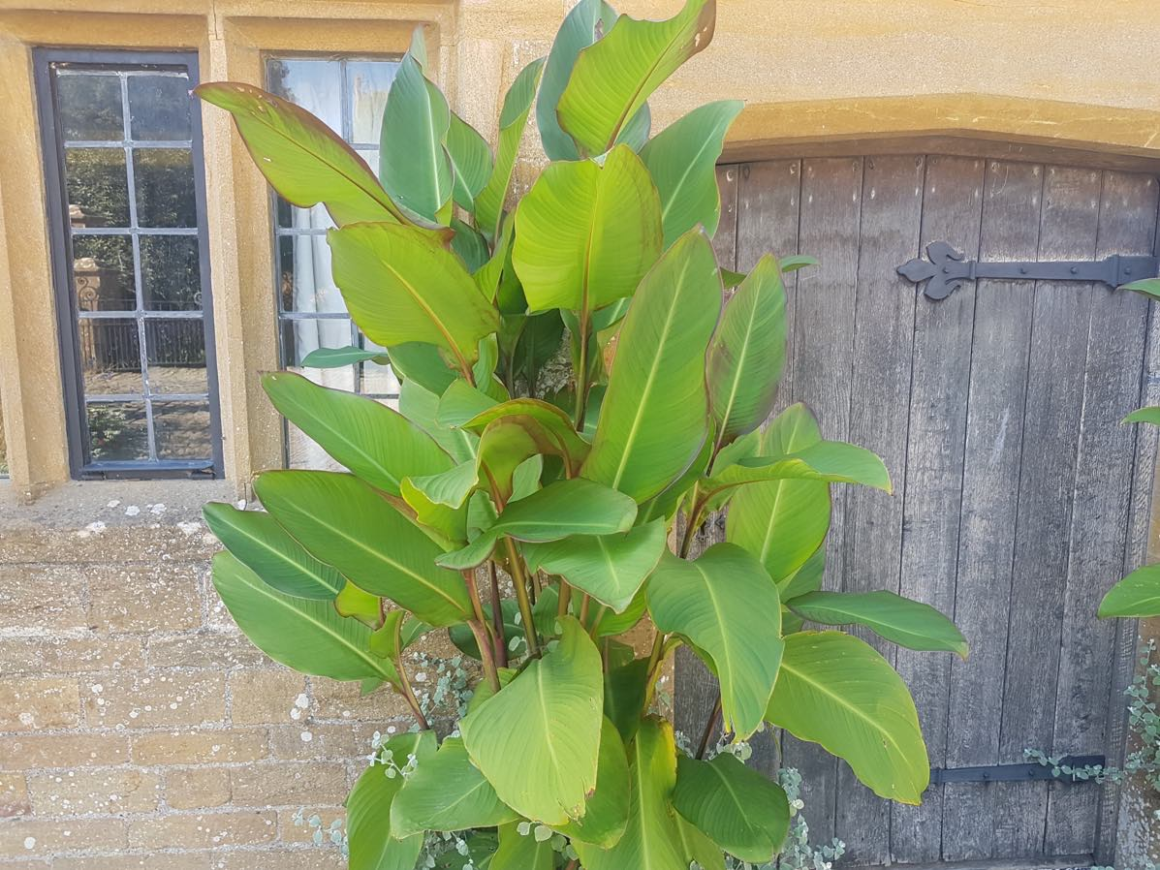
A towering canna grown for its enormous, banana-like green leaves edged and veined in burgundy.
- Full sun
- 2.5–4 m (8–13 ft)
- 0.6–1 m (2–3 ft)
- H3 · Zone 9
- August–October
- Deciduous
- RHS Award of Garden Merit
Overview
One of the tallest cannas, Musifolia (meaning banana-leaved) sends up stout stems 2.5-4m tall clothed in huge, paddle-shaped leaves of fresh green with burgundy-red edges, midribs and stems, giving an instant jungle effect. Small orange-red flowers may appear late in hot summers, but it rarely flowers freely in cool climates and is grown for foliage. It grows from fleshy rhizomes that tolerate light frost (about -5°C / 23°F) under a deep, dry mulch. In colder regions, lift and store the rhizomes frost-free over winter. In frost-free climates it grows all year. It holds an RHS Award of Garden Merit.
At a Glance
Growing Conditions
Aspect Suitability
- South-facing
- West-facing
Site Tolerance
- Wet soil
Soil Tolerance
- Clay
- Chalk
- Sandy
- Loam
- Acid
- Neutral pH
- Alkaline
Foliage
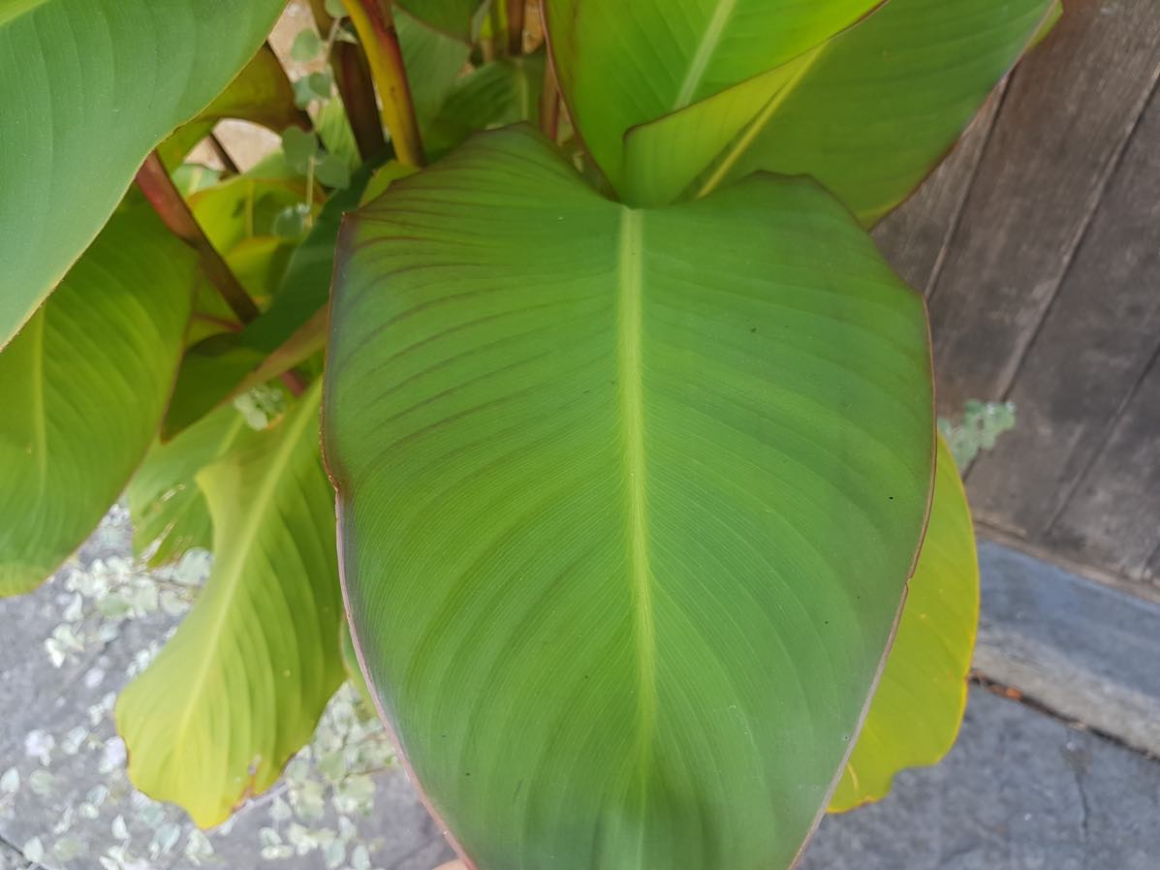
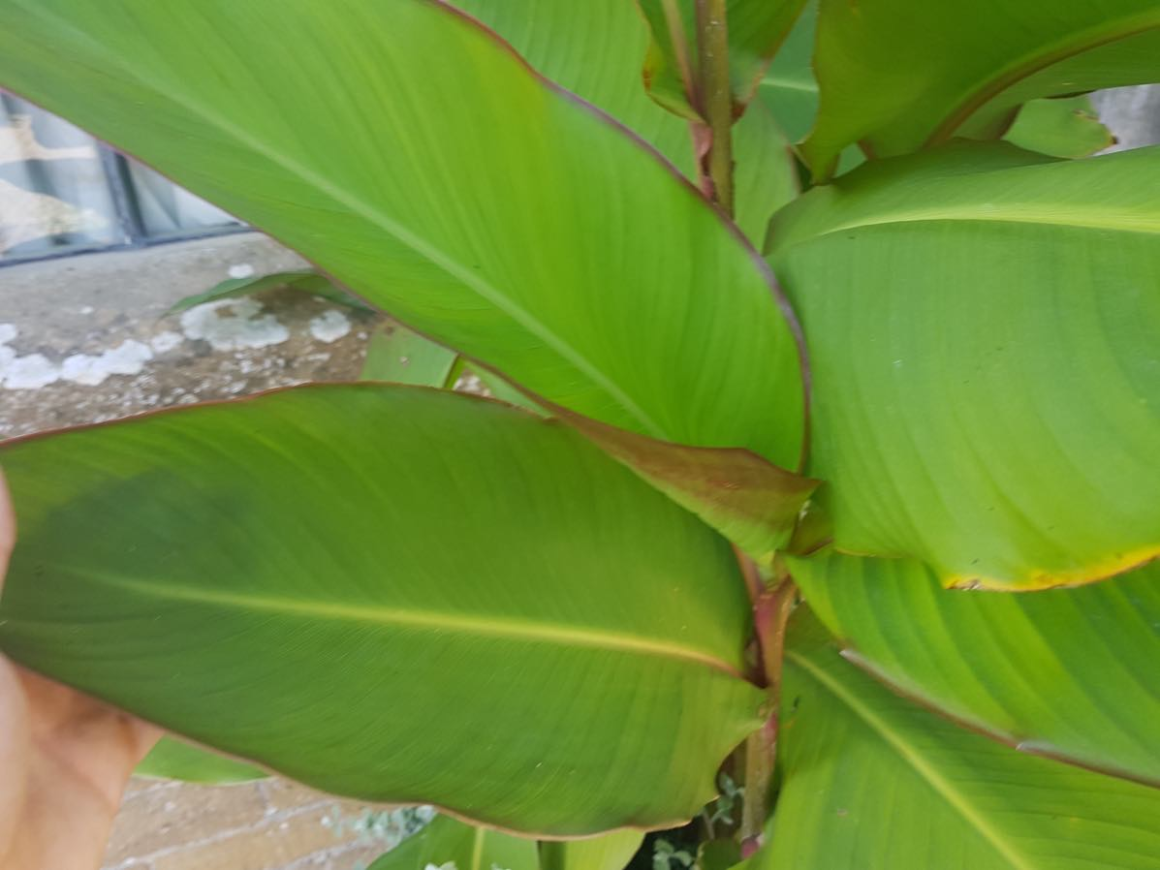
- Architectural foliage
Foliage interest: May–October
Seasonal Timeline
- Flowering Aug Sep Oct
- Foliage May Jun Jul Aug Sep Oct
- Propagate Mar Apr May
How to propagate
One way to grow more Banana-leaved canna: the usual steps for each method.
Division Mar–May Easy
You'll need: A garden fork or spade (two forks back to back help with big clumps) and a sharp knife.
- Water the plant well the day before.
- Dig up the whole clump with a fork, keeping as much root as you can.
- Split it into pieces about the size of your fist, each with healthy roots and shoots: pull them apart by hand, or cut tough clumps with a knife or spade.
- Throw away any old, woody middle.
- Replant the pieces straight away at the same depth, and water them in well.
- How long
- Settles in within a few weeks.
- It's worked when
- Fresh new growth within a few weeks.
- Then
- Water in dry spells for the rest of the season.
Divide rhizomes in spring, keeping at least one strong growing point on each piece, and start them in warmth before planting out.
Maintenance Calendar
- Mar Divide and pot up rhizomes in warmth to give them a head start
- May Plant out after the last frost in a warm, sheltered, sunny spot
- Jun Feed every two weeks and water freely, as such big leaves need plenty of food and water
- Nov After frost blackens the leaves, cut stems down and either lift the rhizomes to store frost-free or cover them with a deep, dry mulch
Garden Design
Works well in: Modern / Contemporary, Tropical / Exotic
Use as a tall summer screen or the backbone of an exotic border; backlit by low sun, the red-edged leaves glow. Shelter it from strong wind, which shreds the leaves.
Companion planting: Bananas, Gingers, Dahlias, Large grasses
Wildlife Value
- Shelter
Safety
Not known to be toxic; ornamental rhizomes and seed are not intended as food.