

Houseplant · Perennial
Begonia luxurians
Palm-leaf begonia
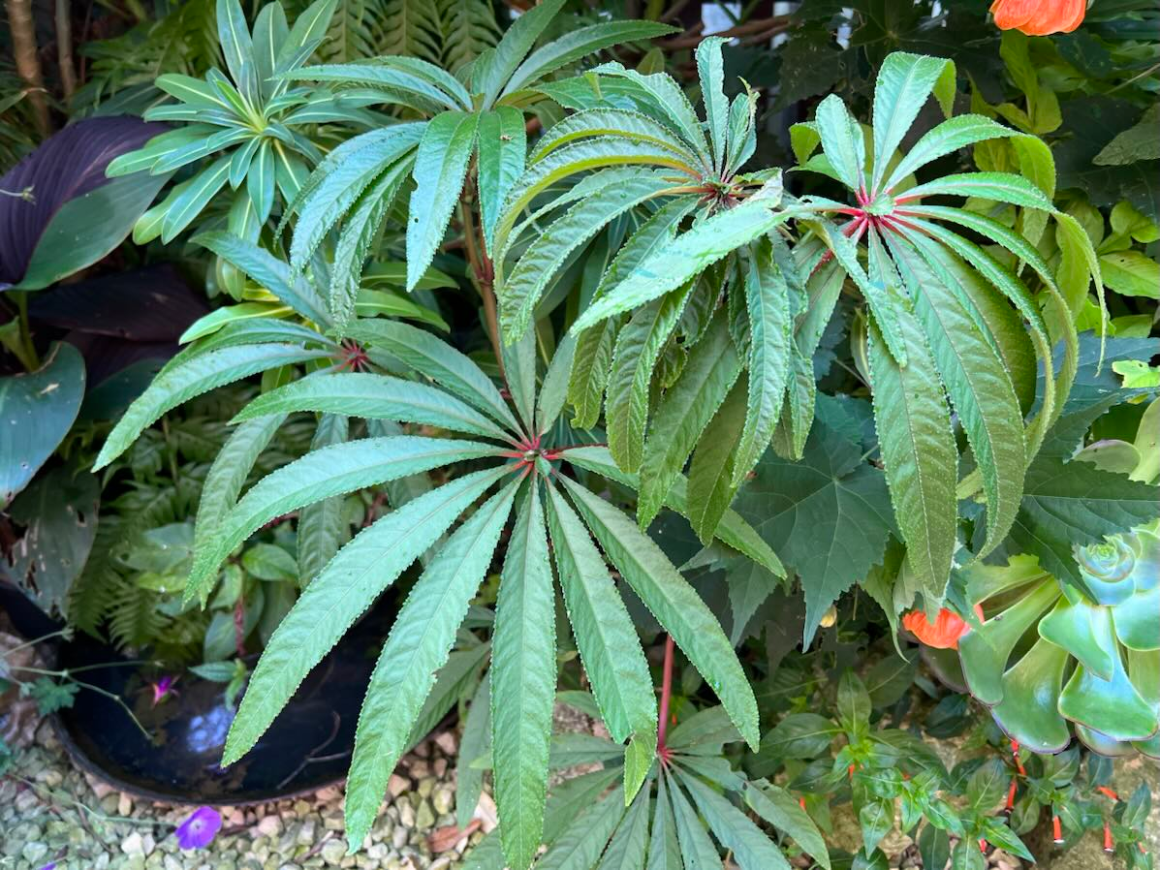
A tall, cane-stemmed begonia with dramatic, palm-like leaves divided into many slender leaflets.
- Partial shade
- 1.5–2.5 m (5–8 ft)
- 0.5–1 m (2–3 ft)
- H1b · Zone 11
- April–July
- Evergreen
- RHS Award of Garden Merit
Overview
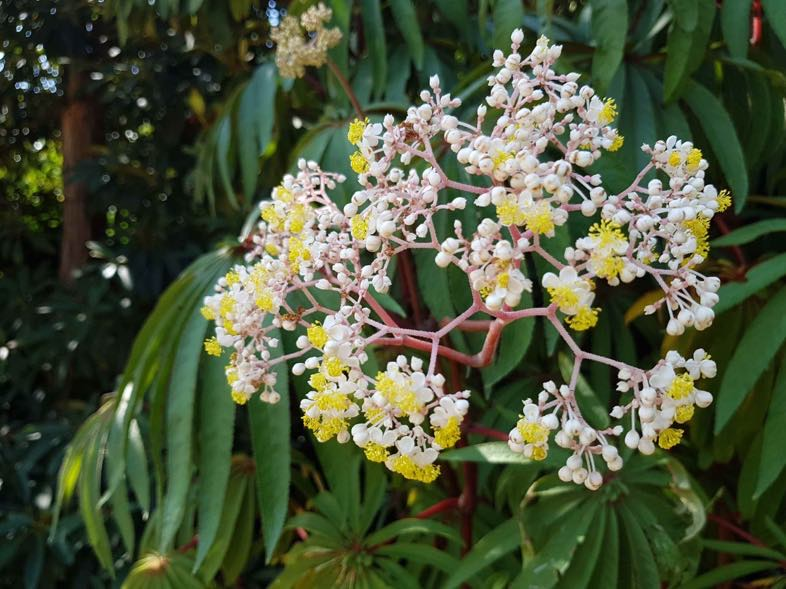
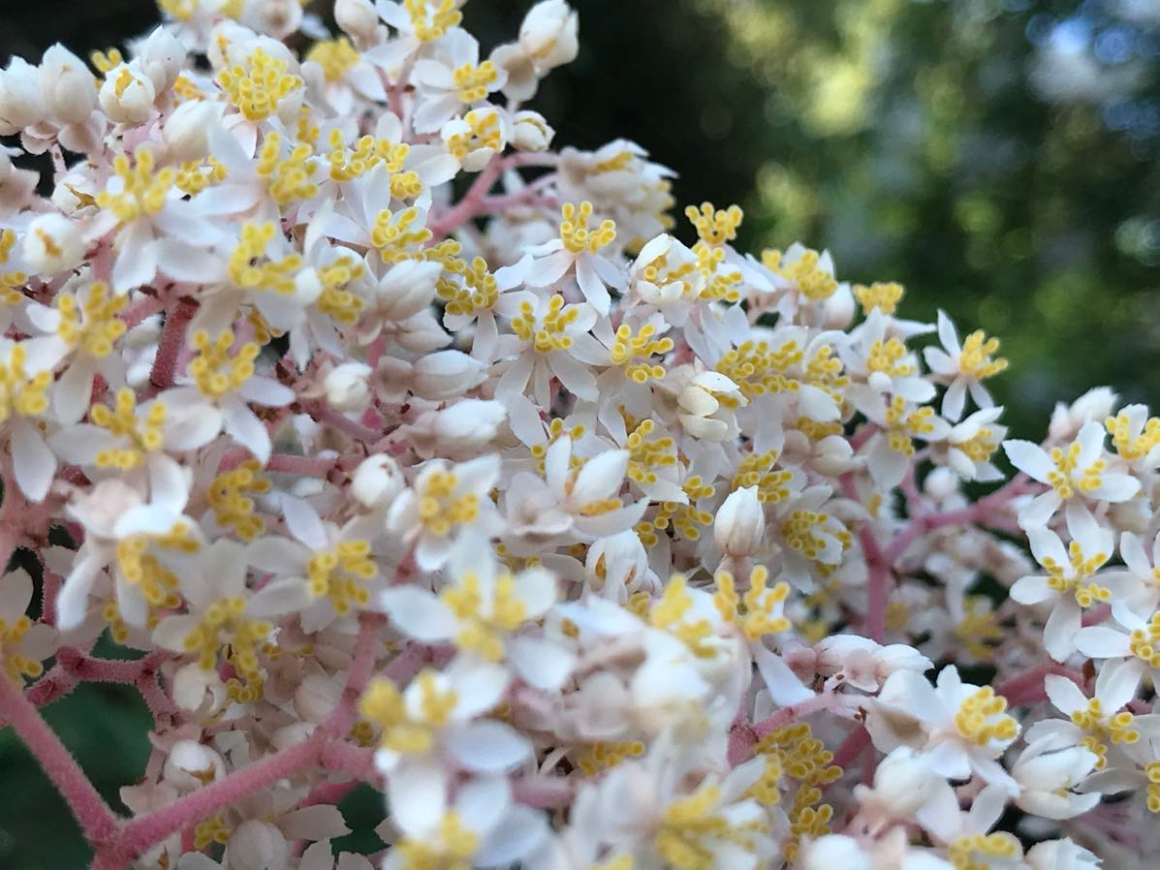
Native to the Atlantic forests of south-eastern Brazil, the palm-leaf begonia grows into a tall, upright plant with red-tinted, cane-like stems. Its leaves are quite unlike most begonias: each is divided into up to 17 narrow, finely toothed, slightly hairy leaflets radiating from a central point like a small palm. Sprays of small, fragrant, creamy-white flowers appear from spring into summer. It needs a minimum of about 10°C (50°F), so outside frost-free climates it is grown as a conservatory or large houseplant, stood outside in a sheltered, shady spot in summer. It holds an RHS Award of Garden Merit.
At a Glance
Growing Conditions
Aspect Suitability
- North-facing
- East-facing
- West-facing
Soil Tolerance
- Sandy
- Loam
- Acid
- Neutral pH
Foliage
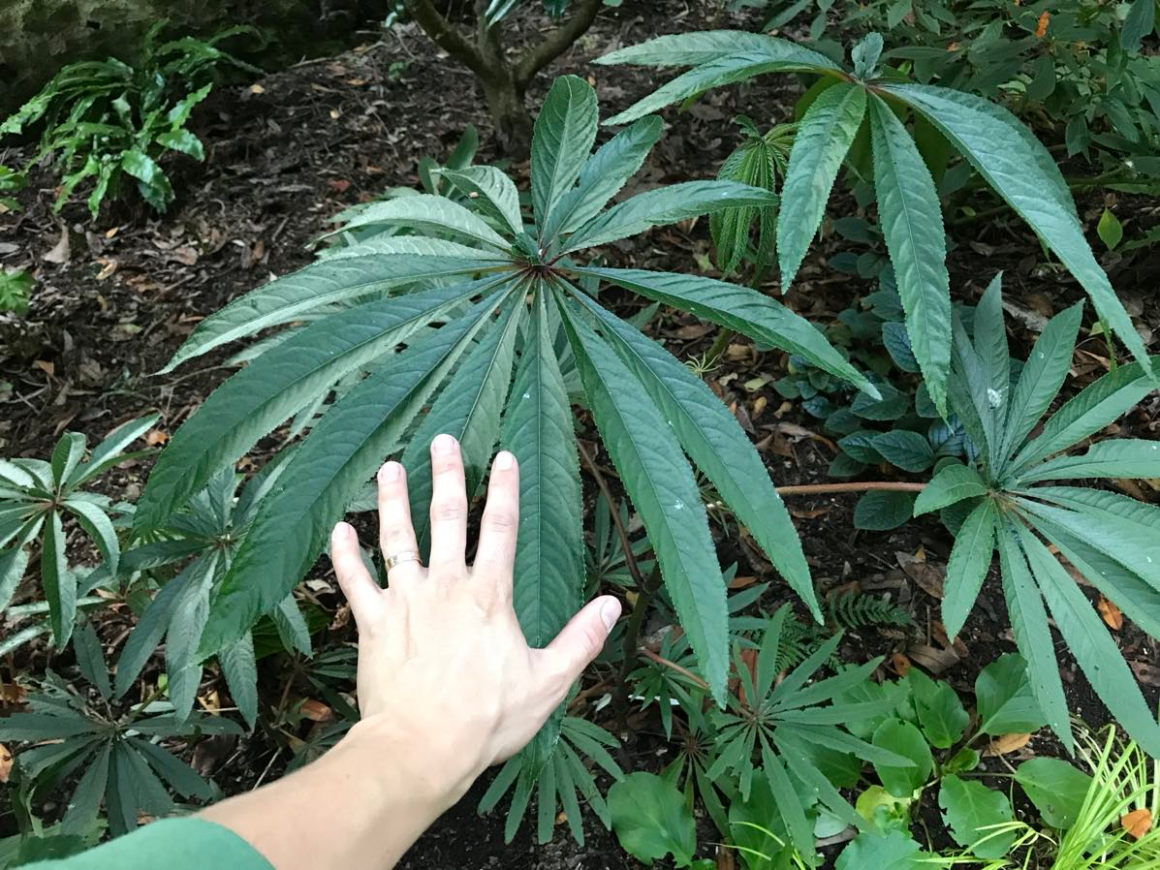
- Architectural foliage
Foliage interest: 12 months of the year
Seasonal Timeline
- Flowering Apr May Jun Jul
- Foliage 12 months of the year
- Propagate Apr May Jun Jul
How to propagate
Ways to grow more Palm-leaf begonia: the usual steps for each method.
Softwood cuttings Apr–Jun Takes a little care
You'll need: Clean, sharp secateurs or a knife, small pots, gritty compost (half compost, half grit or perlite), a plastic bag, and rooting powder if you have it.
- Early in the morning, cut soft, non-flowering shoot tips about 5 to 10 cm long, and keep them in a plastic bag so they don't wilt.
- Trim each one just below a leaf joint and take off the lower leaves, leaving two or three at the top.
- Dip the cut end in rooting powder if you have some.
- Push them into the edge of a pot of gritty compost so their leaves don't touch, and water them in.
- Cover with a clear bag or put them in a propagator, somewhere bright but out of direct sun.
- How long
- Roots in about 3 to 6 weeks.
- It's worked when
- New growth at the tips, and roots showing through the pot's holes.
- Then
- Pot each one up on its own and grow it on. Keep young plants frost-free through their first winter.
From seed Apr–May Easy
You'll need: Seed compost, a seed tray or small pots, labels, and a clear lid or plastic bag.
- Fill a tray or pots with seed compost, level it and firm it gently.
- Water the compost and let it drain.
- Sow the seeds thinly on top. Cover them with a fine layer of compost or vermiculite about as deep as the seed is big; leave tiny seeds uncovered.
- Label them, cover with a clear lid or bag, and keep them somewhere bright but out of hot sun.
- Keep the compost just moist, and take the cover off once seedlings appear.
- How long
- Usually comes up in 1 to 3 weeks.
- It's worked when
- Seedlings with their first pair of leaves.
- Then
- When each has its first true leaves, prick them out into their own small pots, holding them by a leaf, never the stem. Harden them off for a week or two before planting out.
Root stem-tip cuttings in spring or summer in a warm, humid propagator; they root within a few weeks.
Maintenance Calendar
- Mar Cut back leggy canes to a bud low down to encourage new shoots from the base
- Jun Move outside to a sheltered, shady spot once nights stay above about 12°C (54°F)
- Jul Feed every two weeks with a balanced liquid fertiliser while growing
- Sep Bring indoors to a bright spot out of direct midday sun before nights turn cool, and water less in winter
Garden Design
Works well in: Modern / Contemporary, Tropical / Exotic
A statement plant for a bright conservatory or a shaded summer patio among other jungle foliage; shelter it from wind, which snaps the canes.
Companion planting: Colocasias, Ferns, Brugmansias, Other begonias
Wildlife Value
- Shelter
Safety
- Toxic to humans
- Toxic to dogs
- Toxic to cats
- Toxic to horses
Like other begonias it contains insoluble calcium oxalates, which can cause mouth irritation and vomiting if chewed; the underground parts are the most toxic. Keep away from pets.