

Shrub
Tetrapanax papyrifer
Chinese rice-paper plant
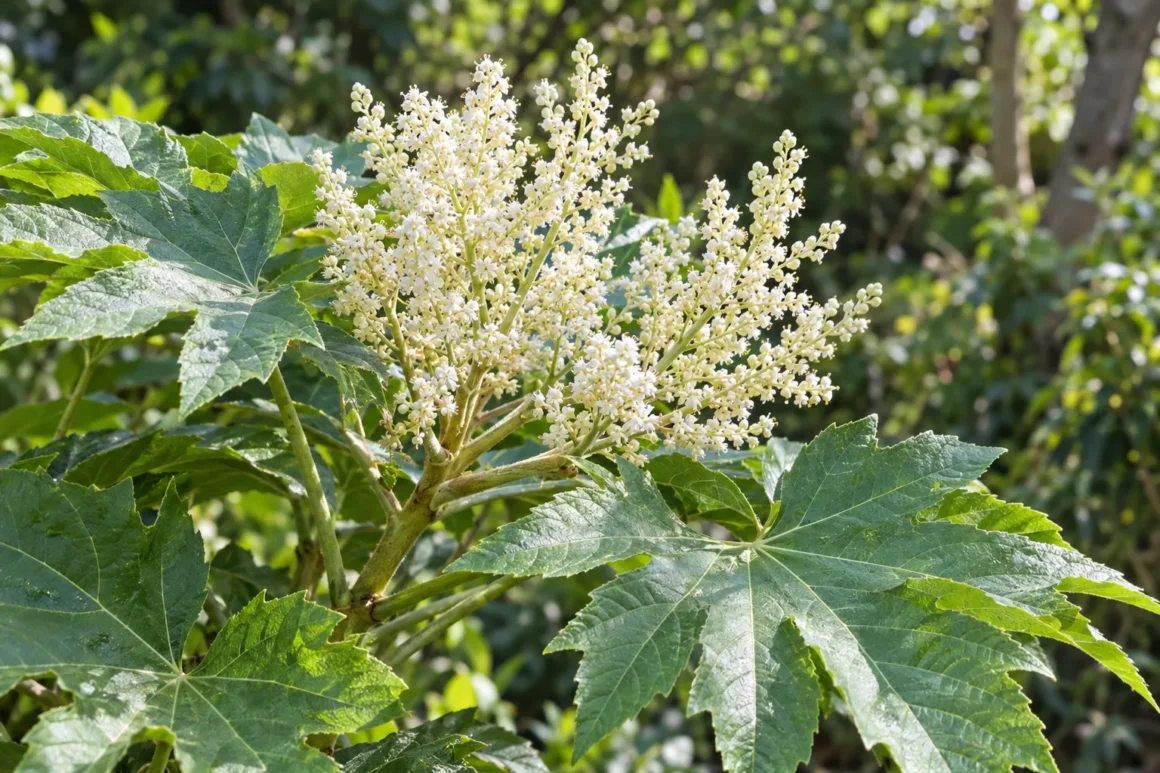
A suckering shrub with huge felted, deeply lobed leaves that brings bold jungle drama to sheltered gardens.
- Full sun, Partial shade
- 4–8 m (13–26 ft)
- 4–8 m (13–26 ft)
- H3 · Zone 9
- October–November
- Semi evergreen
- RHS Award of Garden Merit
Overview
The Chinese rice-paper plant is grown for its enormous palmate leaves, up to 1 m (3 ft) across, which open covered in a coppery felt. Creamy pompom flowers appear late in the season on mature plants, followed by small black fruits.
It is hardy to about −5°C (23°F) as a woody plant, USDA zones 8–11, and in colder spells it often dies back and resprouts from the roots. In warm-temperate and subtropical gardens it can reach 4–8 m (13–26 ft); in cooler climates expect a shrub of 2–4 m (6–13 ft).
Give it sun or light shade, rich soil and shelter from wind. It spreads by suckers, so allow space or remove them each year.
At a Glance
Growing Conditions
Aspect Suitability
- South-facing
- West-facing
Soil Tolerance
- Clay
- Chalk
- Sandy
- Loam
- Acid
- Neutral pH
- Alkaline
Foliage
- Architectural foliage
Foliage interest: April–November
Seasonal Timeline
- Flowering Oct Nov
- Foliage Apr May Jun Jul Aug Sep Oct Nov
- Fruiting Nov Dec
- Propagate Mar Apr May
How to propagate
One way to grow more Chinese rice-paper plant:
Division Mar Easy
You'll need: Spade or sharp knife
- Find a sucker with its own roots
- Sever it from the parent with a sharp spade
- Pot or replant and keep moist
- How long
- 1 hour
- It's worked when
- high
- Then
- Water in well and keep moist while new roots form.
Easiest by digging out rooted suckers as growth starts. Fresh seed sown in a cold frame germinates well.
Maintenance Calendar
- Apr Cut out frost-killed stems to live wood or ground level
- Apr Dig out unwanted suckers and pot up the best
- May Apply a balanced feed and mulch with compost
- Jul Water deeply in dry spells
- Nov Mulch the root zone deeply where frosts are hard
Garden Design
Works well in: Modern / Contemporary, Tropical / Exotic
Leaves up to 1 m (3 ft) across give instant jungle scale. Plant where suckers can be controlled, away from paths where the hairs will brush people, and out of strong wind which shreds the leaves.
Companion planting: Bananas, Cannas, Bamboos, Tree ferns
Wildlife Value
- Bees
- Shelter
Spreads or self-seeds freely: keep it in check.
Safety
- Skin irritant
The fine felt-like hairs on new shoots and leaf undersides shed easily and irritate eyes, nose and throat; wear gloves, goggles and a mask when cutting it back. Spreads by suckers and underground runners.