

Perennial
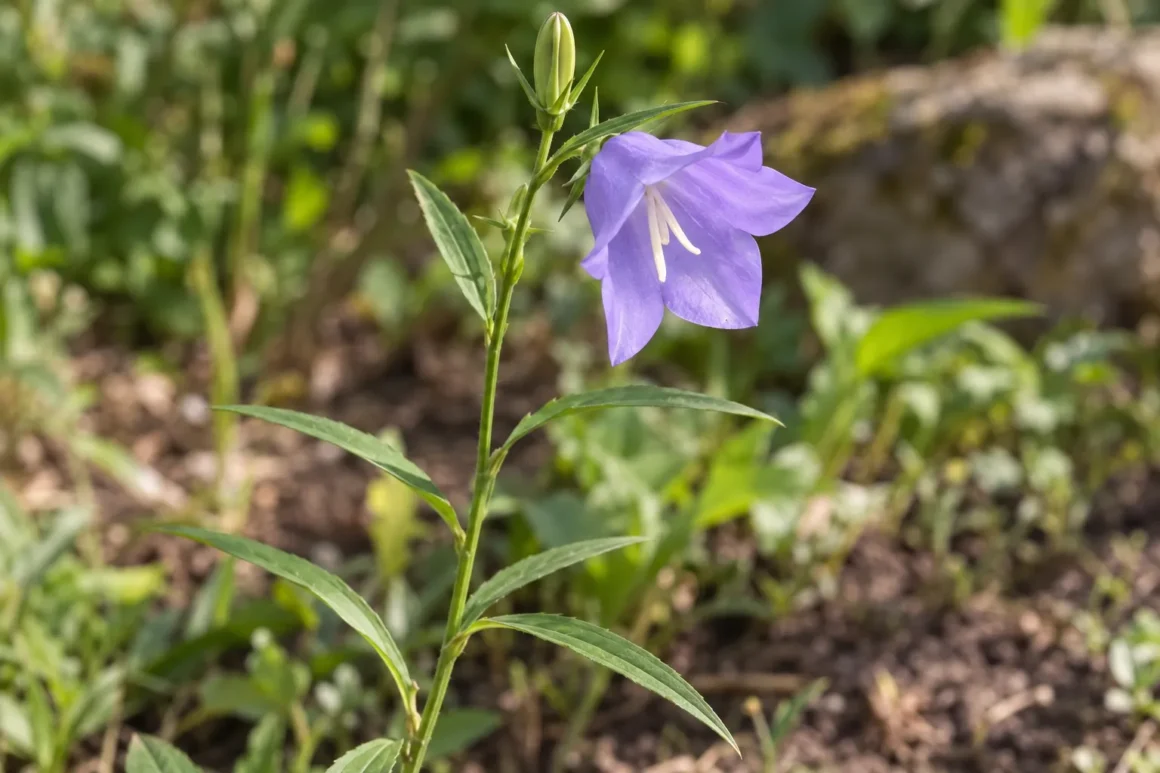
Campanula persicifolia
Peach-leaved bellflower
Graceful cottage perennial with wiry stems of wide, lilac-blue or white bells above neat evergreen rosettes.
- Full sun, Partial shade
- 60–90 cm (24–35 in)
- 30–45 cm (12–18 in)
- H7 · Zone 5
- June–August
- Evergreen
Overview
Peach-leaved bellflower is a clump-forming perennial from Europe and western Asia. Rosettes of narrow evergreen leaves send up slender stems 60–90 cm (2–3 ft) tall, hung with open, cup-shaped bells in lilac-blue or white from early summer.
It is hardy to below −25°C (−13°F), USDA zones 3–7, and grows in sun or part shade in any well-drained soil, especially neutral to alkaline. It prefers cool summers; in hot climates give it afternoon shade and extra water.
It self-seeds gently and has naturalised in parts of north-eastern North America.
At a Glance
Growing Conditions
Aspect Suitability
- North-facing
- East-facing
- South-facing
- West-facing
Site Tolerance
- Exposed sites
Soil Tolerance
- Clay
- Chalk
- Sandy
- Loam
- Neutral pH
- Alkaline
Foliage
Foliage interest: 12 months of the year
Seasonal Timeline
- Flowering Jun Jul Aug
- Foliage 12 months of the year
- Propagate Mar Apr Sep
How to propagate
Ways to grow more Peach-leaved bellflower: the usual steps for each method.
Division Mar–Apr, Sep Easy
You'll need: A garden fork or spade (two forks back to back help with big clumps) and a sharp knife.
- Water the plant well the day before.
- Dig up the whole clump with a fork, keeping as much root as you can.
- Split it into pieces about the size of your fist, each with healthy roots and shoots: pull them apart by hand, or cut tough clumps with a knife or spade.
- Throw away any old, woody middle.
- Replant the pieces straight away at the same depth, and water them in well.
- How long
- Settles in within a few weeks.
- It's worked when
- Fresh new growth within a few weeks.
- Then
- Water in dry spells for the rest of the season.
From seed Mar–Apr Easy
You'll need: Seed compost, a seed tray or small pots, labels, and a clear lid or plastic bag.
- Fill a tray or pots with seed compost, level it and firm it gently.
- Water the compost and let it drain.
- Sow the seeds thinly on top. Cover them with a fine layer of compost or vermiculite about as deep as the seed is big; leave tiny seeds uncovered.
- Label them, cover with a clear lid or bag, and keep them somewhere bright but out of hot sun.
- Keep the compost just moist, and take the cover off once seedlings appear.
- How long
- Usually comes up in 1 to 3 weeks.
- It's worked when
- Seedlings with their first pair of leaves.
- Then
- When each has its first true leaves, prick them out into their own small pots, holding them by a leaf, never the stem. Harden them off for a week or two before planting out.
Softwood cuttings Apr Takes a little care
You'll need: Clean, sharp secateurs or a knife, small pots, gritty compost (half compost, half grit or perlite), a plastic bag, and rooting powder if you have it.
- Early in the morning, cut soft, non-flowering shoot tips about 5 to 10 cm long, and keep them in a plastic bag so they don't wilt.
- Trim each one just below a leaf joint and take off the lower leaves, leaving two or three at the top.
- Dip the cut end in rooting powder if you have some.
- Push them into the edge of a pot of gritty compost so their leaves don't touch, and water them in.
- Cover with a clear bag or put them in a propagator, somewhere bright but out of direct sun.
- How long
- Roots in about 3 to 6 weeks.
- It's worked when
- New growth at the tips, and roots showing through the pot's holes.
- Then
- Pot each one up on its own and grow it on. Keep young plants frost-free through their first winter.
Divide in spring or autumn, or take basal cuttings in spring; it self-seeds.
Garden Design
Works well in: Cottage, Prairie / Meadow, Wildlife-friendly
Slender stems of open bells rise through roses and cottage perennials.
Companion planting: Roses, Geraniums, Foxgloves
Wildlife Value
- Bees
- Other pollinators
- RHS Plants for Pollinators