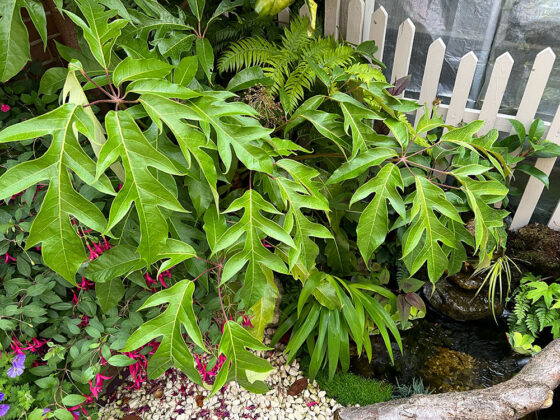

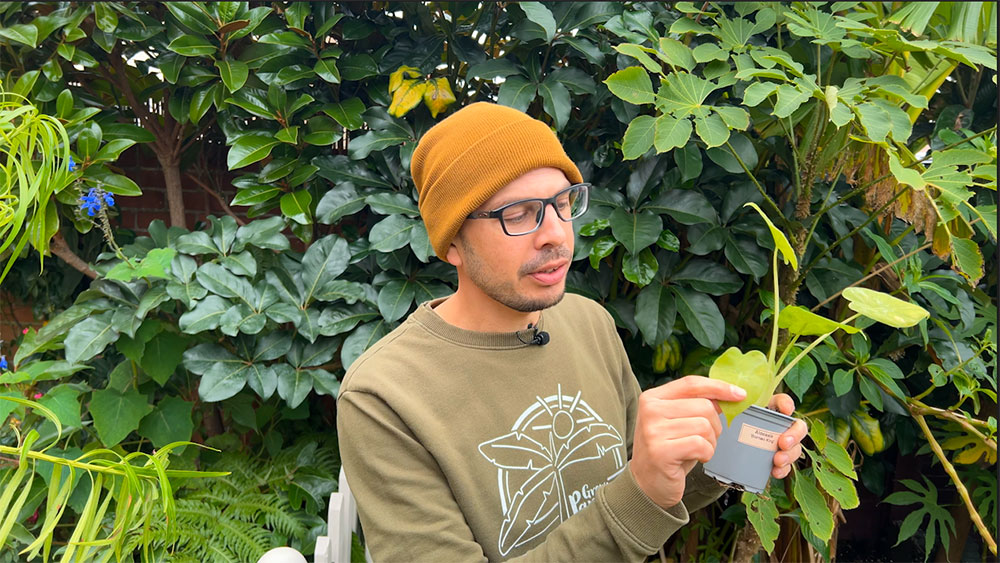
The good news? You don’t need a heated greenhouse or expensive equipment to keep your tropical plants alive through winter. With a bit of practical preparation and smart storage solutions, you can protect your collection affordably and effectively — and have them ready to bounce back with new growth next spring.
This guide will walk you through exactly which plants to bring inside, how to clean and prep them, where to store them depending on their needs, and the ideal winter care routine to prevent rot and stress.
Whether you’re brand new to tropical-style gardening or refining your winter routine, this step-by-step approach will help protect your plants and boost your confidence.
Which Tropicals Should Come Indoors — and Which Can Stay Outside?
One of the most common mistakes beginners make is assuming all tropical plants need to come indoors. In reality, many tropical-style plants are surprisingly hardy and can cope with UK winters outdoors as long as they receive the right protection. The key is knowing the difference between tender tropicals and hardy structural tropicals.
Bring These Indoors
These plants can’t tolerate frost and need to be brought inside once nighttime temperatures consistently drop below about 8°C:
- Alocasia (e.g. macrorrhiza types)
- Colocasia (the majority of cultivars)
- Caladium
- Ensete ventricosum (Abyssinian banana)
- Tender Cannas
- Tender Gingers
- Cyathea tree ferns
- Succulents used outdoors in summer
- Tropical houseplants that lived outside during warm months
- Musa acuminata
- Musa ‘Siam Ruby’
- Rare tropical plant specimens
These will be the core of your indoor winter plant population.
? Plants That Can Stay Outside (With Protection)
Some tropical-style plants are tougher than they look and can stay in the garden all winter, usually with a little mulch or wrapping:
- Musa basjoo (hardy banana)
- Fatsia japonica
- Tetrapanax papyrifer
- Trachycarpus fortunei (windmill palm)
- Trachycarpus wagnerianus
- Hardy Gingers (Hedychium) if provided good drainage, particularly Hedychium densiflorum
- Hardy Cannas if provided good drainage.
A visual side-by-side comparison — or simply grouping plants in your garden before moving them — can help clarify what must come in versus what can safely remain outdoors.
Pre-Move Prep: Cleaning, Pest Control, and Plant Health Checks
Before you bring any plant indoors, you want to make sure you’re not carrying pests into your home or overwintering space. Winter is the time when pests thrive: warm, dry indoor air combined with slower plant metabolism makes a perfect environment for outbreaks.
Check for Pests First
Pay particular attention to the undersides of leaves, where pests like to hide. Look for:
- Aphids
- Mealybugs
- Red spider mites
- Scale insects
- Slugs and snails hiding on the bottom of pots
Even a few of these can multiply quickly indoors.
How to Clean and Prep Plants
A simple cleaning routine will remove existing pests and reduce the chances of future problems:
- Rinse foliage gently using lukewarm water. This removes dust, most pests, and spider mite webs.
- Wipe leaves with mild soapy solution. This smothers lingering pests and discourages new infestations.
- Trim away yellow, dead, or damaged leaves. These harbour pests and use up energy the plant won’t have in winter.
- Optional: keep freshly moved plants in a “quarantine zone” for one week before placing them near other houseplants.
This small step can save you a major headache later.
Where Should You Store Your Tropicals Indoors?
Not all tropicals need the same winter conditions. Some prefer warmth and bright light; others go dormant and need cool, dark rest. Understanding this is the key to successful overwintering.
A. Warm & Bright Spaces
Ideal for:
- Alocasia
- Caladium
- Colocasia
These plants stay partially active through winter and prefer:
- Temperatures: 18–22°C
- Humidity: 50%+
- Light: Bright indirect, or supplement with a cheap LED panel or grow strip
A conservatory, bright living room, or a small grow-tent setup is perfect. Without adequate humidity, these plants may drop leaves — grouping them together and adding a small humidifier or pebble tray helps immensely.
B. Cool & Bright Spaces
Ideal for:
- Colocasia
- Abutilon
- Half-hardy bananas
- Cannas in leaf
- Gingers in leaf
These plants often enter a “semi-resting” phase:
- Keep in a bright unheated room, porch, or utility area.
- Water sparingly — soil should stay barely moist.
- Use pebble trays to prevent the air from becoming too dry.
This space mimics a mild winter climate without the frost risk.
C. Cool & Dark Storage Areas
Ideal for:
- Cannas
- Hedychium
- Ensetes
- Dahlia tubers
These plants go fully dormant, so they don’t need light at all. They’re stored much like bulbs:
- Let foliage die back naturally (or cut it back).
- Dry rhizomes or stems for several days.
- Pack them into compost, sand, or dry coco coir.
- Store them in a garage, shed, cellar, or under-stairs cupboard — anywhere frost-free.
This method saves space and often results in stronger plants the following spring.
Watering & Feeding: The Winter Survival Rules
If there’s one rule to remember about overwintering tropical plants, it’s this:
Overwatering kills more tropicals in winter than cold ever does.
During winter, plants:
- Drink less water
- Have slower root activity
- Lose less moisture through their leaves
This makes them incredibly vulnerable to root rot.
Watering Rules
- Only water when the top inch of soil is dry.
- Always ensure pots have good drainage holes.
- Never let the plant sit in a saucer of water.
- Err on the side of too dry rather than too wet.
A moisture meter or plain wooden skewer can help you check deeper moisture levels.
Feeding
Do not fertilise tropical plants in winter. They’re resting, and forcing them to grow leads to weak, leggy shoots and stressed roots.
Resume feeding in late February or March when daylight increases.
What to Expect From Your Plants (And What’s Normal!)
Winter care is often about managing expectations. Your plants may not look as lush as they did in summer, and that’s perfectly okay.
Leaf Drop Is Normal
Many tropicals shed a few leaves or die back entirely. This doesn’t mean they’re dead — it’s a natural energy-saving response while light and warmth are limited.
Learn to Recognise Dormant vs Dead Rhizomes
A living rhizome is typically:
- Firm to the touch
- Creamy or white inside when cut
- Smells earthy, not rotten
A dead rhizome is usually:
- Soft or mushy
- Brown or black inside
- May have a sour or unpleasant smell
Checking this occasionally helps you avoid surprises in spring and decide what can be saved.
Stay Organised
- Label stored rhizomes and pots.
- Take photos of where you put things.
- Make simple notes in your phone or a gardening notebook.
It’s easy to forget what’s in which box — especially after several busy weeks.
Overwintering tropical plants in the UK doesn’t have to be daunting. With a clear understanding of which plants to bring indoors, proper cleaning and preparation, the right storage conditions, and a careful watering routine, you can confidently protect your tropical collection through the colder months.
By spring, your plants will thank you with strong, healthy new growth — and you’ll feel proud knowing you kept your miniature jungle alive despite the winter chill.