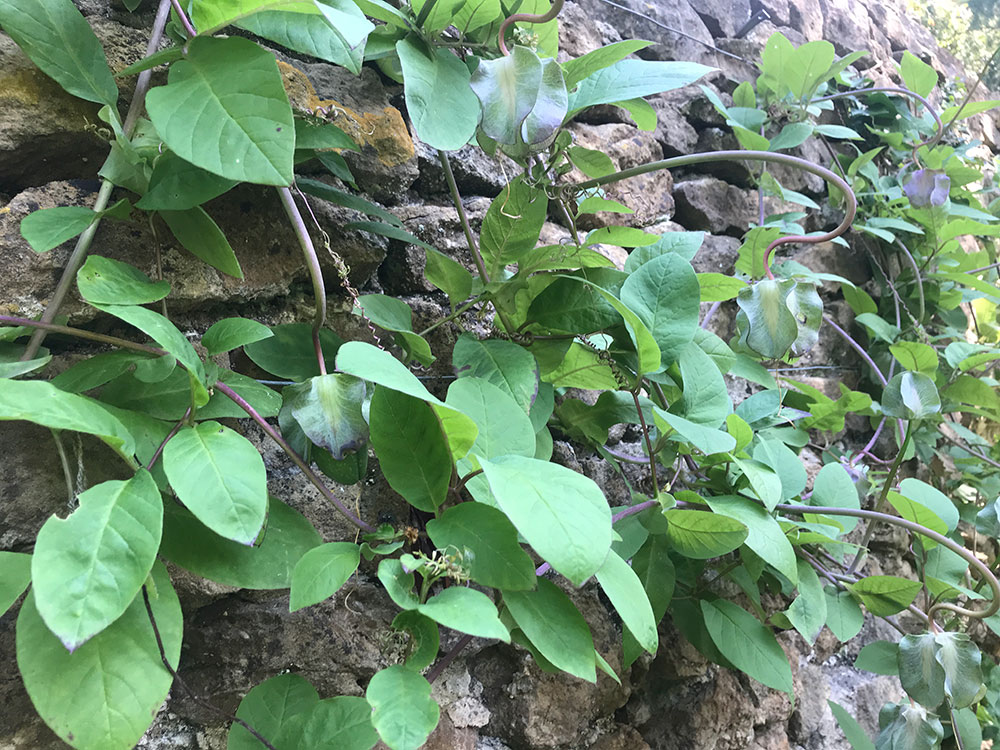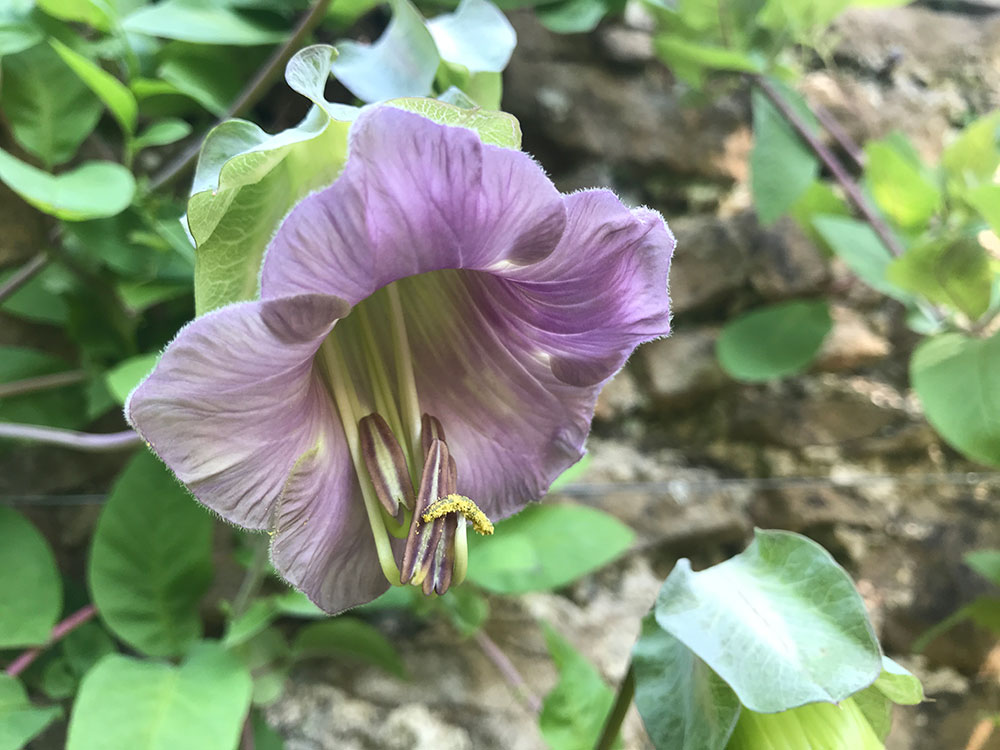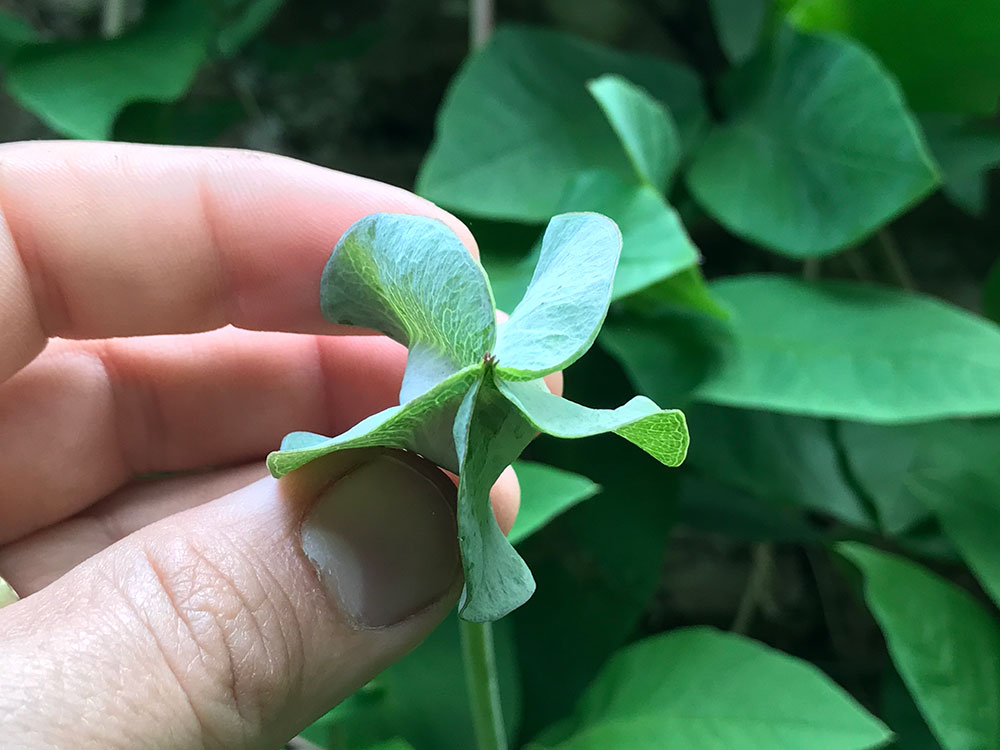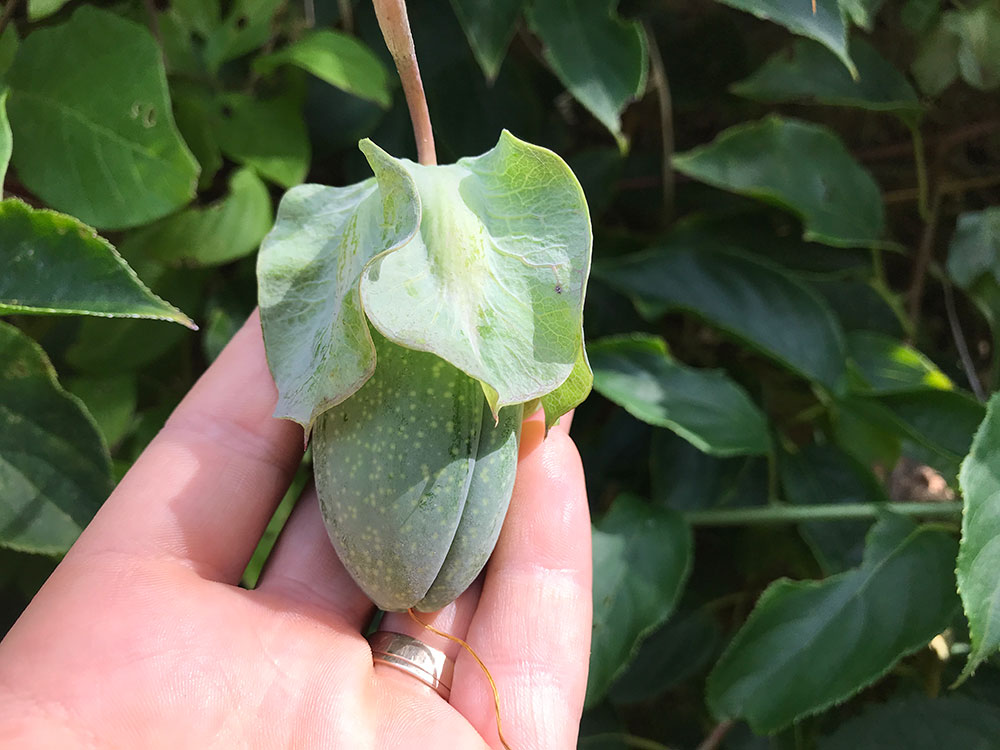

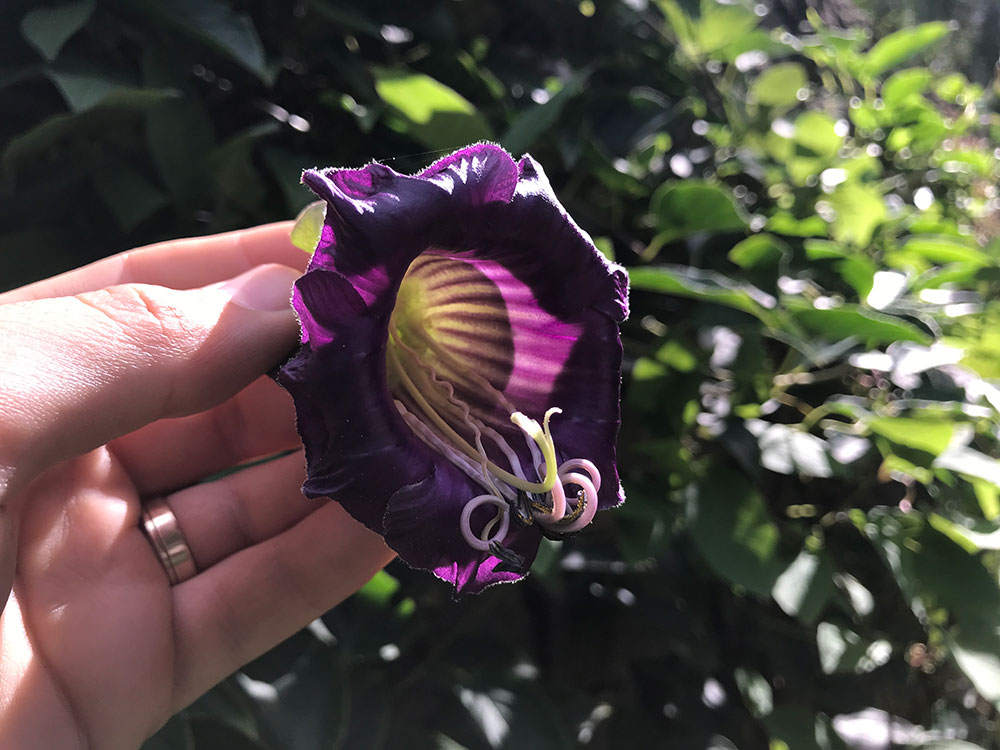
Cobaea scandens, commonly known as the Cup and Saucer Vine or Cathedral Bells, is native to the subtropical regions of Mexico. Its dramatic bell-shaped flowers begin green and mature to deep purple or occasionally creamy white. The plant has tendrilled leaf tips that help it climb vigorously, making it a popular ornamental for arches, pergolas, and sunny walls. Its exotic, architectural blooms and rapid growth give gardens a lush, romantic feel during the warmer months.
| KEY PLANT INFORMATION | |
|---|---|
| Family: | Polemoniaceae |
| Plant Type: | Fast-growing climber |
| Plant Colours: | Purple, greenish-white blooms |
| Flowering period: | Summer–autumn |
| Fragrance: | Light honey scent |
| Mature Height: | 6–10 m (20–33 ft) |
| Light Requirements: | Full sun preferred |
| Water Requirements: | Regular moisture, well-drained |
| Cold Hardiness: | 3 °C (27 °F) |
| Difficulty: | Moderate |

Plant Type
Tender perennial climber
Cobaea scandens is a tender perennial grown primarily as an annual in temperate climates. It’s a vigorous, twining climber that uses hooked tendrils to ascend supports, often reaching impressive heights in a single season. While technically perennial in frost-free areas, in colder regions it’s treated as an ornamental annual for its fast growth, long flowering season, and ability to quickly cover structures with foliage and showy blooms.

Mature Height
6–10 metres (20–33 feet)
In one growing season, Cobaea scandens can reach 6–10 metres (20–33 feet) under ideal conditions. Its remarkable growth rate makes it suitable for quickly greening fences, trellises, or obelisks. In cooler summers or poorer soils, height may be closer to 3–5 metres (10–16 feet). As a tender perennial in warm climates, it may grow even taller over multiple years, forming a substantial climbing mass with abundant flowering stems.

Light Requirements
Full sun – Partial shade
Cobaea scandens thrives in full sun, where it produces the most abundant flowers and strongest climbing growth. It will tolerate light partial shade, but flowering may be reduced and stems may stretch. A south- or west-facing aspect is ideal in the UK or similar climates. Good airflow helps keep foliage healthy, while protection from cold winds supports faster early growth when planted outdoors after frost.

Water Requirements
Moderate
This climber prefers regular watering and consistently moist, well-drained soil. During peak summer growth, it benefits from deep watering to support its rapid vertical spread and prolific blooms. Avoid letting it dry out completely, as stress can slow flower production. Mulching helps retain soil moisture, especially in containers. Reduce watering in late autumn as growth slows, particularly if growing it as a perennial in warmer climates.

Cold Hardiness
–3 °C (27 °F)
Cobaea scandens is frost tender, typically tolerating only down to –3 °C (27 °F) before foliage and stems are damaged or killed. In temperate climates, it is usually grown as an annual and planted out after all danger of frost has passed. In milder coastal areas or sheltered microclimates, root survival is occasionally possible with heavy mulching, though regrowth is unreliable. In genuinely frost-free regions, it can live multiple years.

Propagation tips
Propagation is most successful from seeds, which should be sown indoors in late winter to early spring. Seeds benefit from being laid on their sides to prevent rot and may germinate slowly, often taking 3–4 weeks with warmth. Provide bright light and good airflow to prevent damping off. Once seedlings develop strong roots, transplant to individual pots. Harden off thoroughly before planting outside. Softwood cuttings are possible but less reliable than seeds.