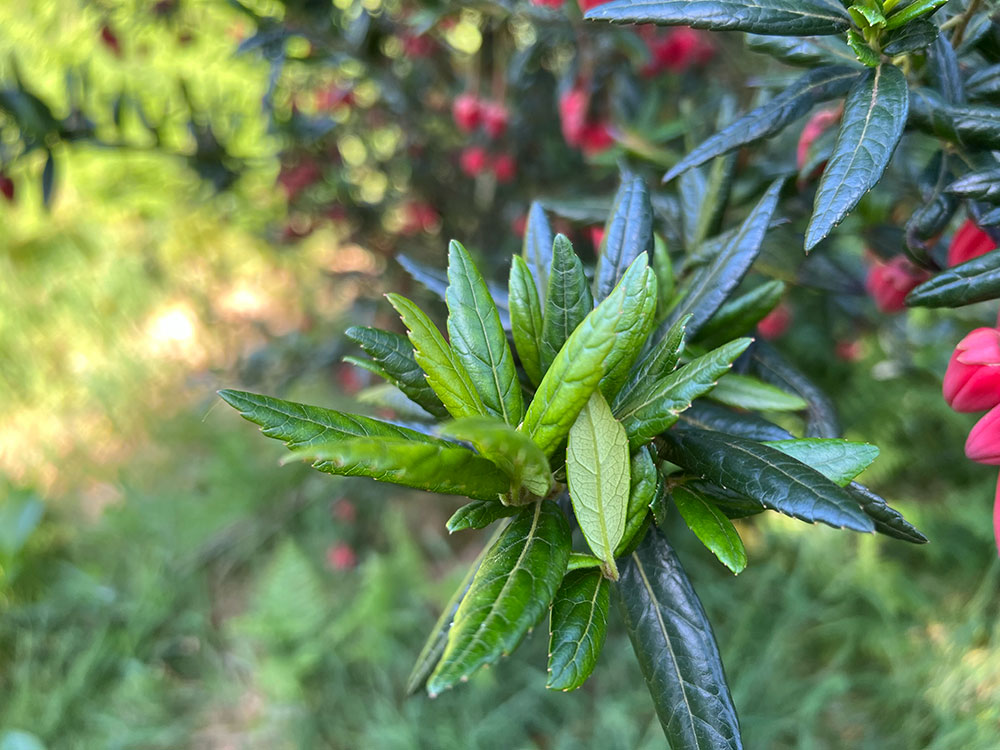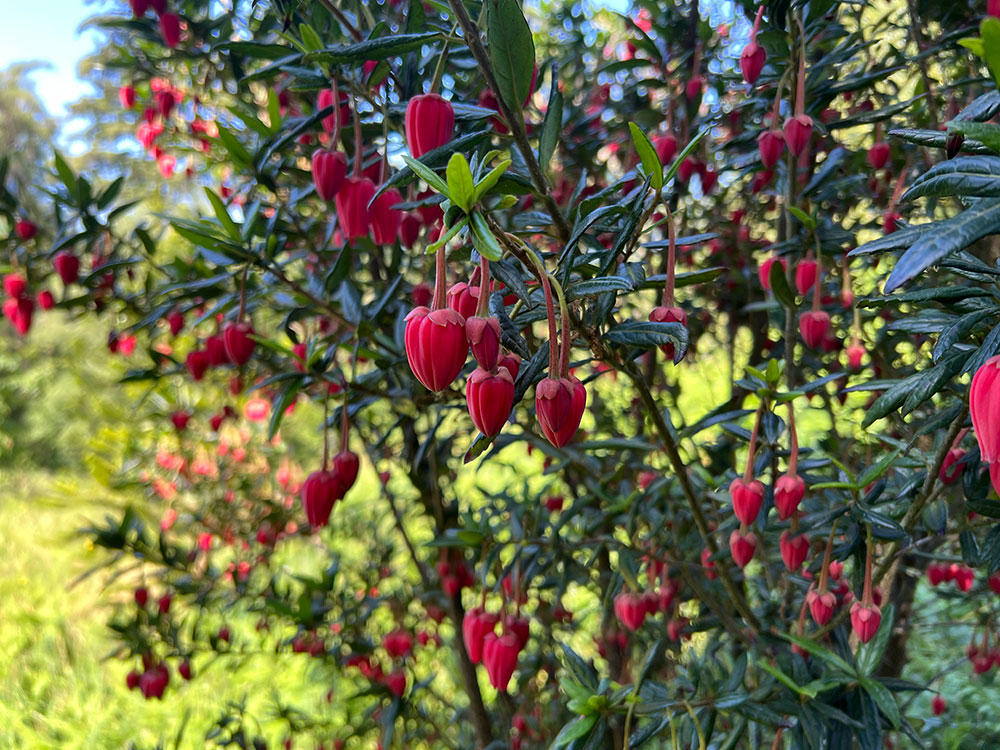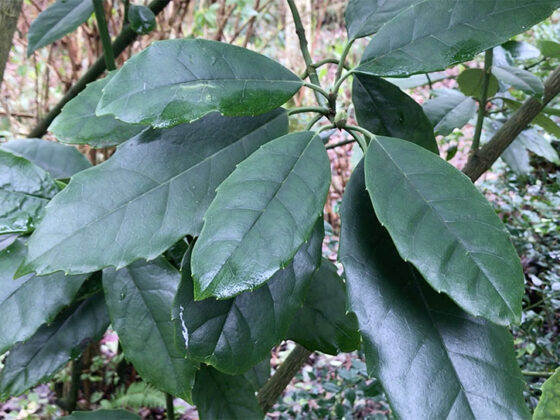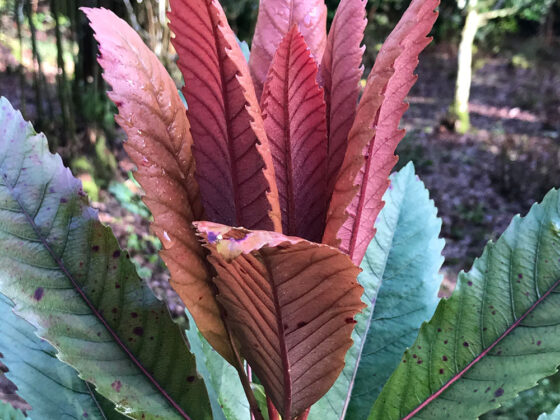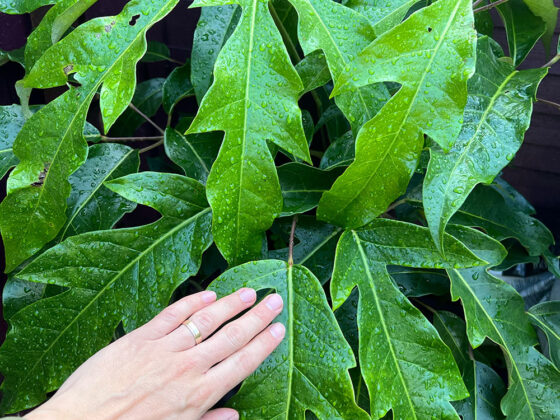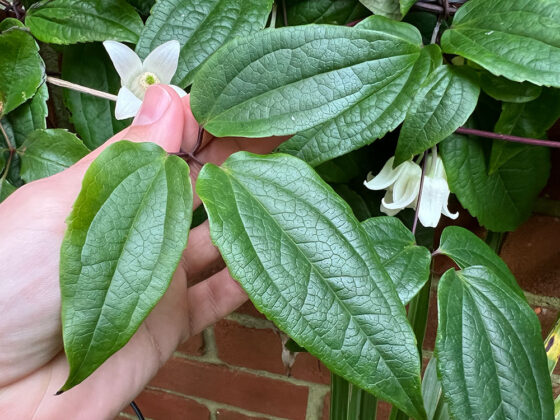

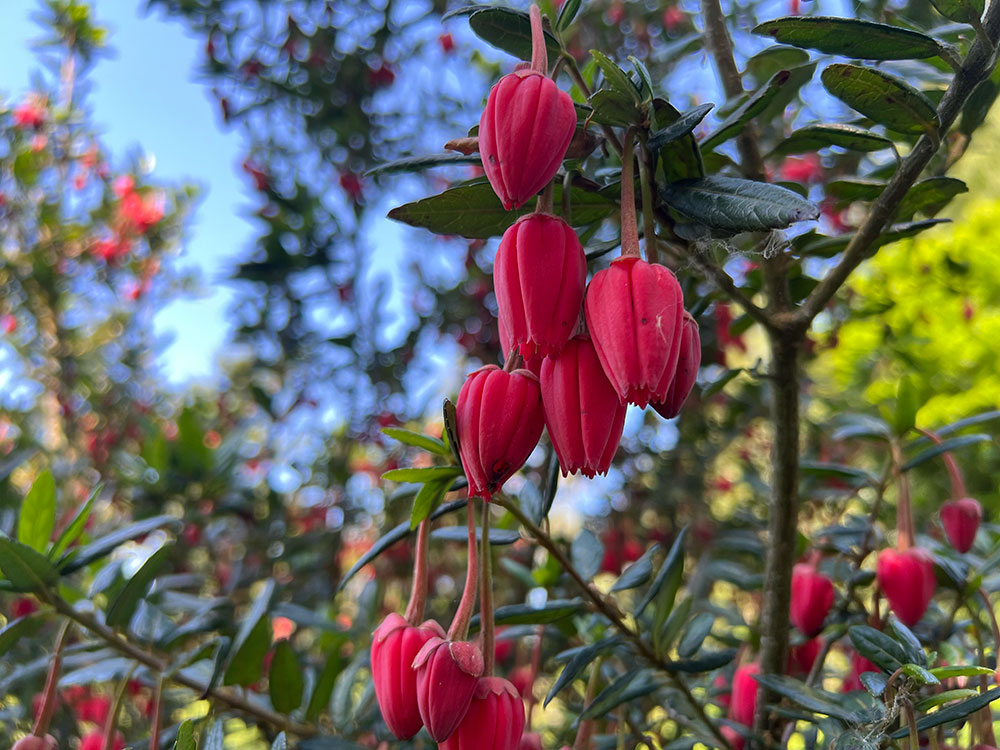
Crinodendron hookerianum, commonly known as the Chilean lantern tree, originates from the temperate rainforests of southern Chile. It is renowned for its distinctive lantern-shaped, waxy red flowers that dangle elegantly from thin pedicels. The evergreen foliage is leathery and finely serrated, giving the plant a refined, ornamental appearance. Adapted to cool, humid woodland environments, it brings a uniquely exotic flair to sheltered UK gardens, especially those with acidic soil and mild, maritime climates.
| KEY PLANT INFORMATION | |
|---|---|
| Family: | Elaeocarpaceae |
| Plant Type: | Evergreen shrub/tree |
| Plant Colours: | Green leaves, red flowers |
| Flowering period: | Late spring–summer |
| Fragrance: | Light or none |
| Mature Height: | 2–8 m (6–26 ft) |
| Light Requirements: | Partial shade ideal |
| Water Requirements: | Moist, acidic soil |
| Cold Hardiness: | –10 °C (14 °F) |
| Difficulty: | Moderate–challenging |

Plant Type
Evergreen shrub/tree
This species is an evergreen broadleaf shrub or small tree with a naturally upright, bushy habit. It maintains foliage year-round and produces multiple stems unless pruned into a single-leader form. As a woodland-edge plant, it evolves to thrive in cool, moist, dappled environments. Its defining feature is its abundance of pendant, lantern-like flowers, which heavily influence its use as a focal ornamental specimen in shaded gardens and acid borders.

Mature Height
2–8 metres tall (6–26 feet)
Crinodendron hookerianum typically grows 2–8 metres tall (6–26 feet) depending on climate, soil acidity, and shelter. In mild, coastal regions it may reach the upper range, forming a small tree, whereas in cooler or more exposed areas it stays nearer the shrub-sized end. Growth is relatively slow to moderate, with young plants often taking several years to develop a strong framework before producing their signature flowers in abundance.

Light Requirements
Partial shade
This plant prefers partial shade, ideally receiving morning sun and afternoon protection. Too much direct sunlight can scorch leaves or stress the plant, particularly if soil moisture is inconsistent. Dappled woodland light mimics its native environment and results in healthier foliage and better flowering. Strong winds should also be avoided, as they can damage young shoots and cause flower drop, reducing ornamental value.

Water Requirements
Moderate to moist
Crinodendron hookerianum thrives in consistently moist, humus-rich, acidic soil. Watering should be regular, especially in dry spells, as the plant dislikes drought and may drop leaves if moisture levels fluctuate. Mulching with leaf mould, composted bark, or ericaceous material helps retain soil moisture and maintain suitable acidity. Good drainage is essential, however—while it loves moisture, it cannot tolerate waterlogging, which can lead to root decline.

Cold Hardiness
–10 °C (14 °F)
Cold hardy to around –10 °C (14 °F), this plant is suitable for mild UK regions but benefits from shelter. Extended freezing or sharp, drying winds may damage new growth or flower buds. In colder inland areas, planting against a wall or within a protected courtyard improves survival. Soil conditions also affect hardiness—acidic, moisture-retentive soils help buffer roots from cold, while chalky or dry soils increase vulnerability.

Propagation tips
Crinodendron hookerianum can be propagated from semi-ripe cuttings taken in late summer, though rooting may be slow and benefits from bottom heat and high humidity. Softwood cuttings taken in early summer are another option, but they are more delicate. Seed can be used, though germination rates vary and may require stratification. When propagating, always use an acidic, free-draining medium to prevent nutrient stress and support early root development.