

Perennial
Alstroemeria Indian Summer (‘Tesronto’)
Peruvian lily ‘Indian Summer’
Also known as: Alstroemeria 'Tesronto', Alstroemeria Summer Paradise Series 'Indian Summer'
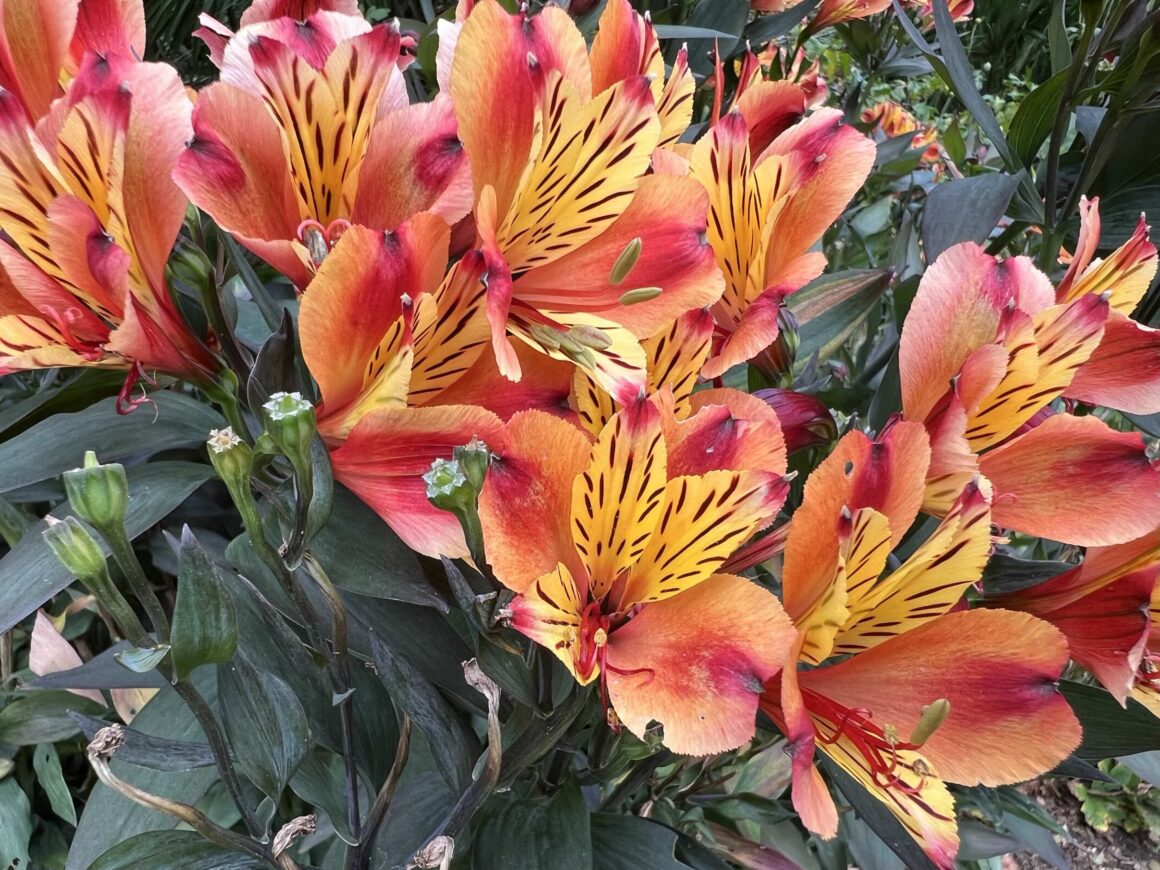
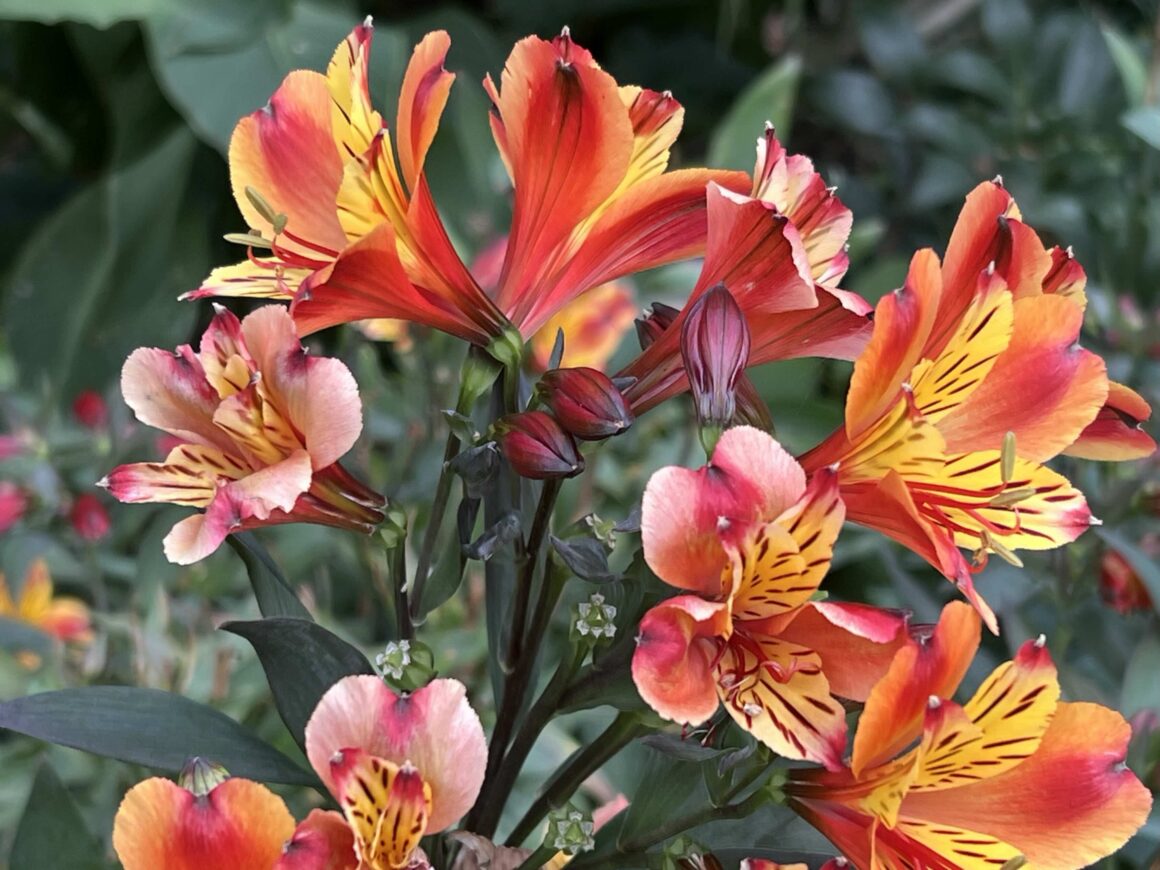
A long-flowering Peruvian lily with copper-orange flowers over dark bronze foliage from summer to autumn.
- Full sun, Partial shade
- 60–90 cm (24–35 in)
- 30–50 cm (12–20 in)
- H4 · Zone 8
- June–October
- Deciduous
Overview
One of the hardy Summer Paradise series, this compact alstroemeria produces bright copper-orange flowers with yellow inner petals flecked purple-brown, held above unusual bronze to purple-grey leaves. It flowers continuously from early summer into autumn and makes a superb, long-lasting cut flower. It grows from fleshy, tuberous roots and is hardy through most of the UK (about -10°C), especially once established; a deep winter mulch helps young plants in colder areas.
At a Glance
Growing Conditions
Aspect Suitability
- East-facing
- South-facing
- West-facing
Soil Tolerance
- Clay
- Chalk
- Sandy
- Loam
- Acid
- Neutral pH
- Alkaline
Foliage
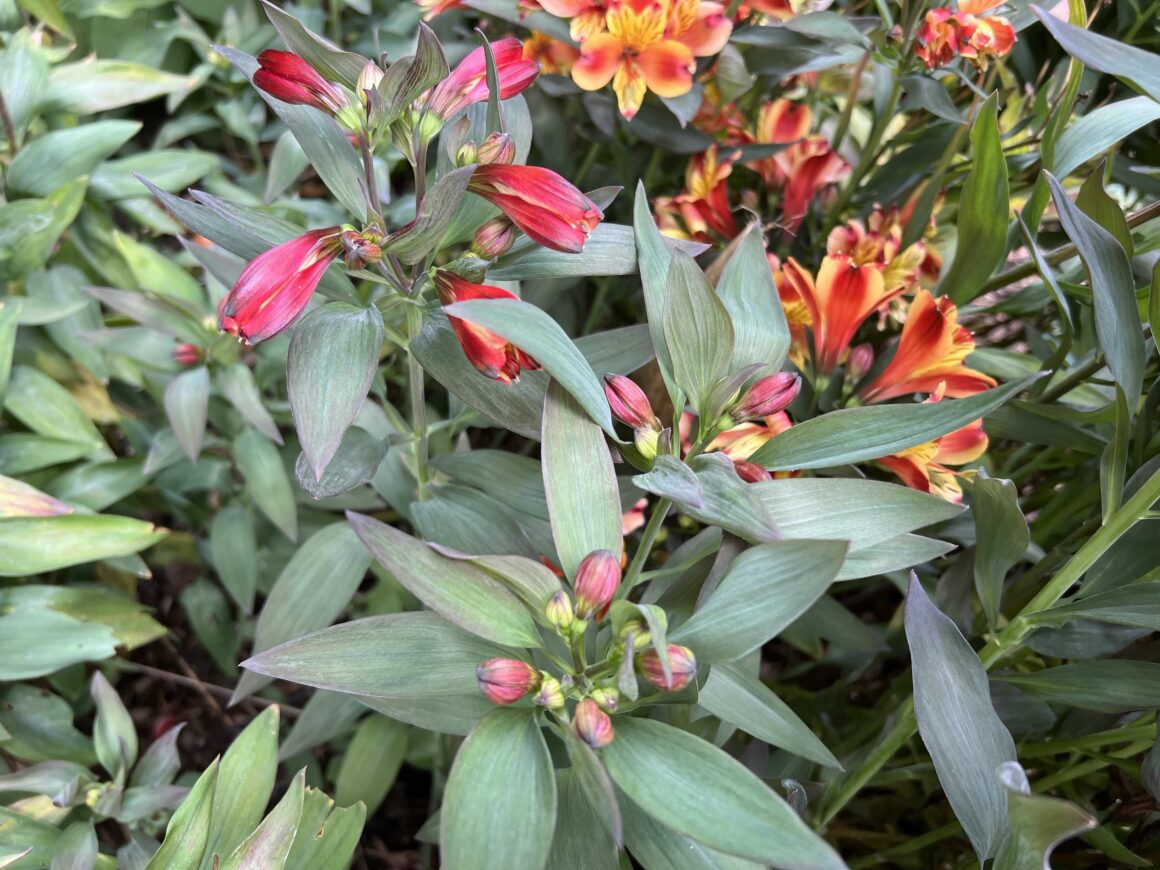
Foliage interest: April–November
Seasonal Timeline
- Flowering Jun Jul Aug Sep Oct
- Foliage Apr May Jun Jul Aug Sep Oct Nov
- Propagate Apr Sep
Maintenance Calendar
- Apr Protect young shoots from slugs, which can eat emerging growth overnight
- Jun Pull spent flower stems gently from the base rather than cutting them, as this triggers new flowering shoots
- Jul Feed every two weeks with a high-potash liquid feed to keep flowers coming
- Nov Cover the crown with a thick mulch of compost or bark, which insulates the fleshy roots in their first winters
Garden Design
Works well in: Cottage, Modern / Contemporary, Wildlife-friendly
Plant in a sunny border or large pot near the house where cut stems can be gathered easily; the bronze leaves pair well with hot-coloured flowers.
Companion planting: Grasses, Salvias, Dahlias, Heleniums
Wildlife Value
- Bees
- Other pollinators
Safety
- Toxic to humans
- Toxic to dogs
- Toxic to cats
- Skin irritant
Sap contains tuliposides that can cause skin rashes ('tulip fingers'); wear gloves when handling a lot of stems. Mildly toxic to cats and dogs if chewed.