

Shrub · Tree
Brassaiopsis hispida
Brassaiopsis
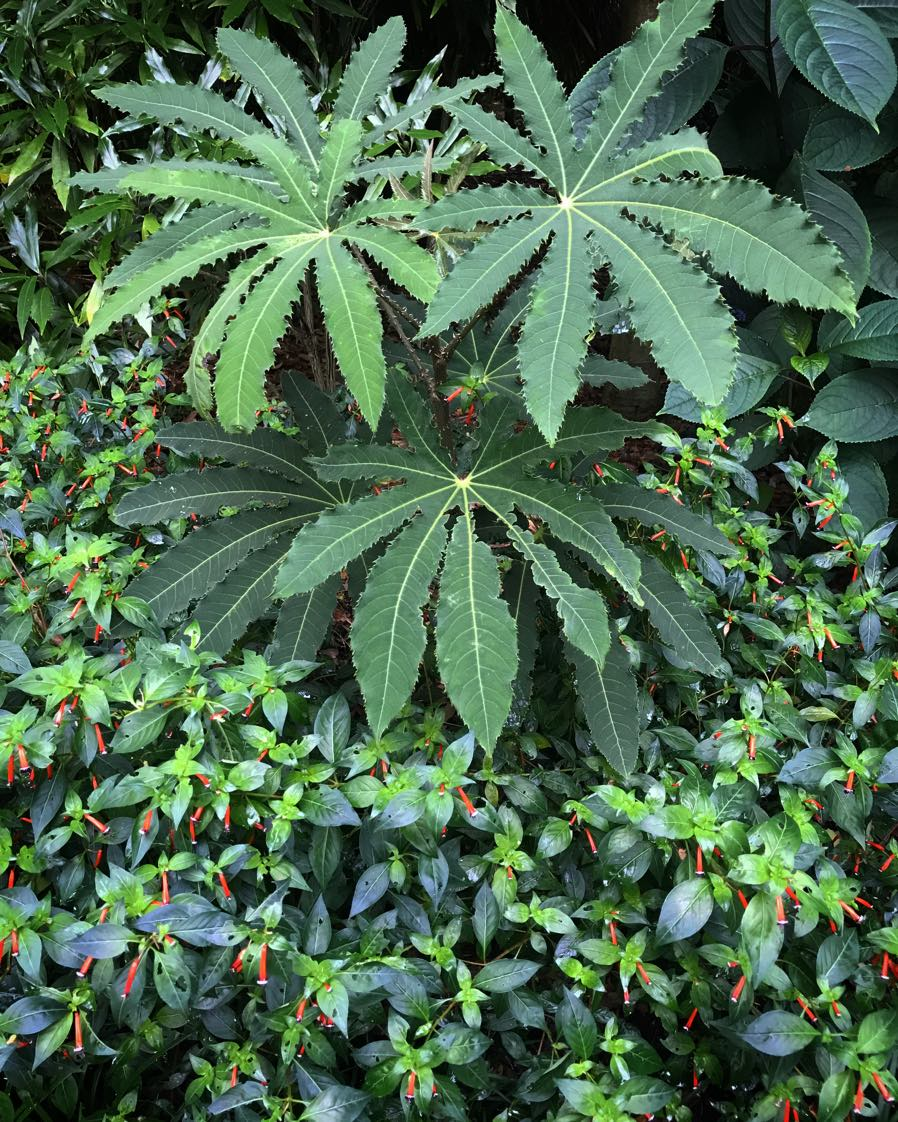
A rare, jungle-style evergreen with huge, deeply lobed, hand-shaped leaves on prickly stems.
- Partial shade
- 2–4.5 m (7–15 ft)
- 1.5–3 m (5–10 ft)
- H3 · Zone 9
- Evergreen
Overview
From lower-elevation forests of the eastern Himalaya and south-west China, this relative of fatsia and schefflera grows into a large shrub or small tree. It is prized for its very large, deeply lobed, hand-shaped leaves with jagged edges, carried on stout stems armed with prickles. Clusters of small flowers on established plants are followed by black fruit, but it is grown for its foliage. It is relatively new to cultivation and borderline hardy, surviving brief frosts down to about -4°C (25°F) once established. In cool temperate climates it needs a very sheltered spot in light shade away from cold winds, or a large pot moved under cover for winter.
At a Glance
Growing Conditions
Aspect Suitability
- North-facing
- East-facing
- West-facing
Soil Tolerance
- Clay
- Loam
- Acid
- Neutral pH
Foliage
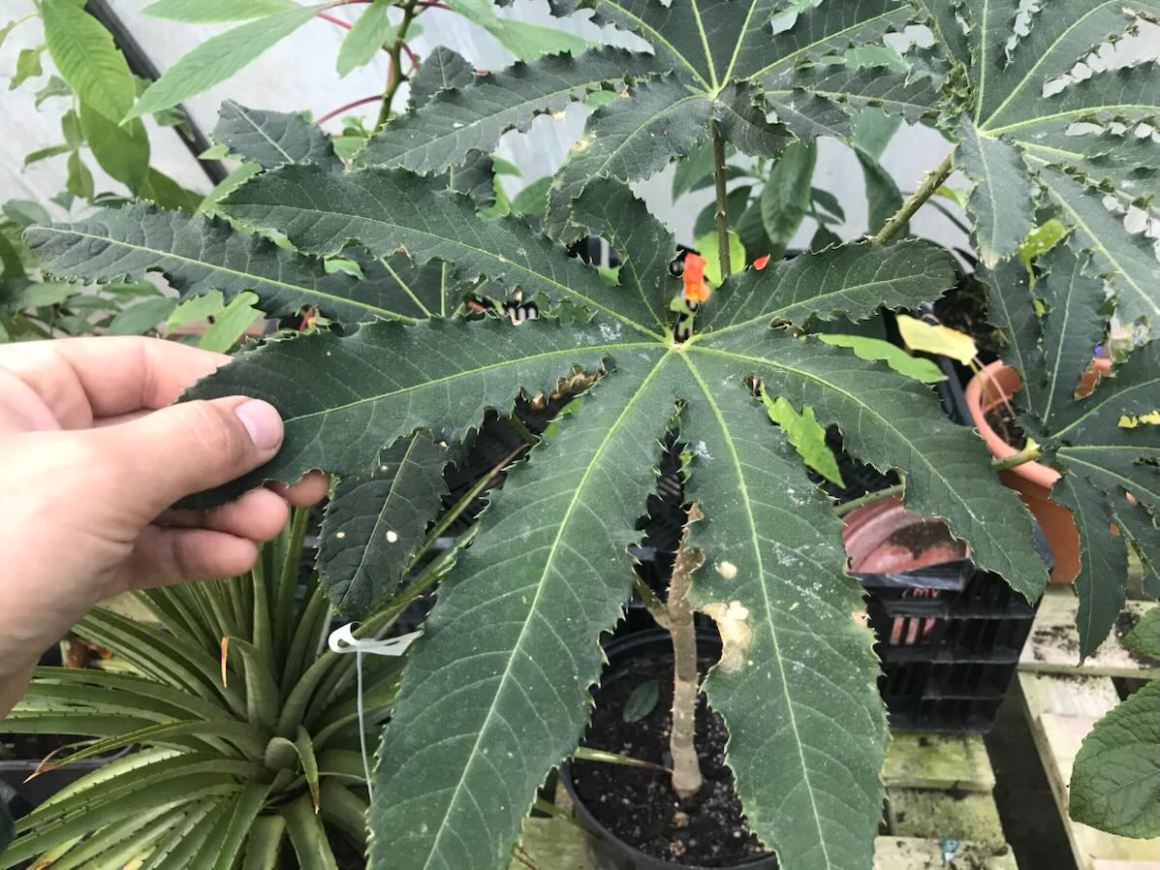
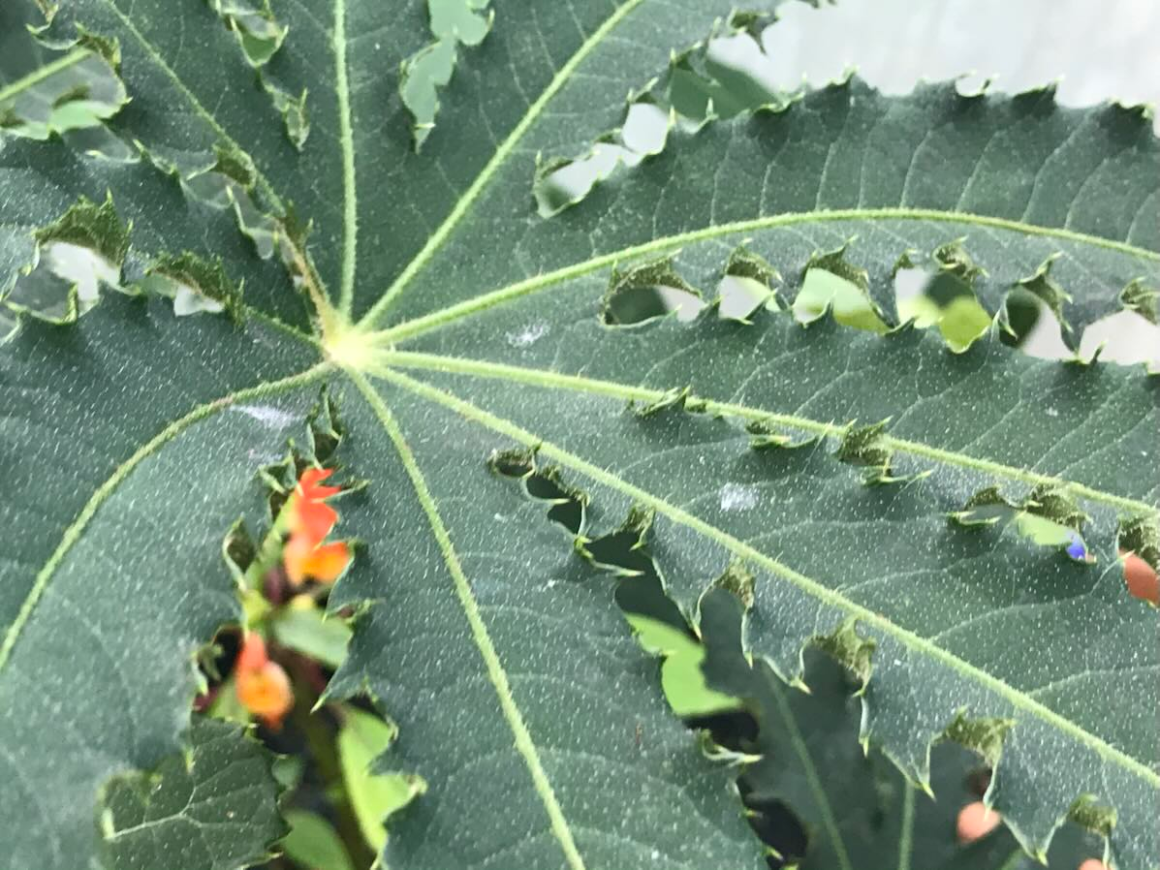
- Architectural foliage
Foliage interest: 12 months of the year
Seasonal Timeline
- Foliage 12 months of the year
- Propagate Apr May Jun Jul Aug
How to propagate
Ways to grow more Brassaiopsis: the usual steps for each method.
From seed Apr–May Easy
You'll need: Seed compost, a seed tray or small pots, labels, and a clear lid or plastic bag.
- Fill a tray or pots with seed compost, level it and firm it gently.
- Water the compost and let it drain.
- Sow the seeds thinly on top. Cover them with a fine layer of compost or vermiculite about as deep as the seed is big; leave tiny seeds uncovered.
- Label them, cover with a clear lid or bag, and keep them somewhere bright but out of hot sun.
- Keep the compost just moist, and take the cover off once seedlings appear.
- How long
- Usually comes up in 1 to 3 weeks.
- It's worked when
- Seedlings with their first pair of leaves.
- Then
- When each has its first true leaves, prick them out into their own small pots, holding them by a leaf, never the stem. Harden them off for a week or two before planting out.
Semi-ripe cuttings Jul–Aug Takes a little care
You'll need: Clean, sharp secateurs, small pots, gritty compost, and rooting powder if you have it.
- Choose this year's shoots that are firm at the base but still soft at the tip, and cut pieces 10 to 15 cm long.
- Trim just below a leaf joint and take off the lower leaves; pinch out the soft tip.
- Dip the cut end in rooting powder if you have some.
- Push them into pots of gritty compost, water them in and cover with a clear bag.
- Keep them in a cold frame, greenhouse or bright windowsill out of direct sun.
- How long
- Roots in about 6 to 10 weeks.
- It's worked when
- New leaves, and the cutting resists when you tug it gently.
- Then
- Keep them somewhere cool and frost-free over winter, and pot them up separately in spring.
Layering Apr–Aug Easy
You'll need: A bent wire or tent peg (or a stone), and a small cane.
- Choose a low, bendy stem that reaches the ground.
- Where it touches the soil, scrape away a little bark on the underside, or make a small slanting cut.
- Peg that part down into the soil and cover it, leaving the tip sticking up; tie the tip to a cane.
- Keep it moist.
- How long
- Roots in 6 to 12 months.
- It's worked when
- New growth from the tip, and roots where it was pegged down.
- Then
- Once it has rooted, cut it free from the parent and plant it where you want it.
Sow fresh seed in warmth in spring. Semi-ripe cuttings and air layers can be rooted in summer with bottom heat, but rooting is slow.
Maintenance Calendar
- Apr Remove frost-damaged leaves once new growth starts in spring
- Jun Water regularly in dry spells, as it prefers soil that stays moist
- Jun Water regularly in dry spells, as it prefers soil that stays moist
- Oct Mulch the root area deeply before winter
- Oct Mulch the root area deeply before winter
- Nov Fleece the crown during hard frosts or move pots to a frost-free, bright place
- Nov Fleece the crown during hard frosts or move pots to a frost-free, bright place
Garden Design
Works well in: Modern / Contemporary, Tropical / Exotic, Woodland / Shade
A collector's centrepiece for a sheltered, lightly shaded jungle garden or courtyard; protect it from cold easterly or drying winds that scorch the leaves.
Companion planting: Fatsias, Tree ferns, Scheffleras, Hardy bananas
Wildlife Value
- Shelter
Safety
No well-documented toxicity, but the stems carry sharp prickles; wear gloves when handling.