

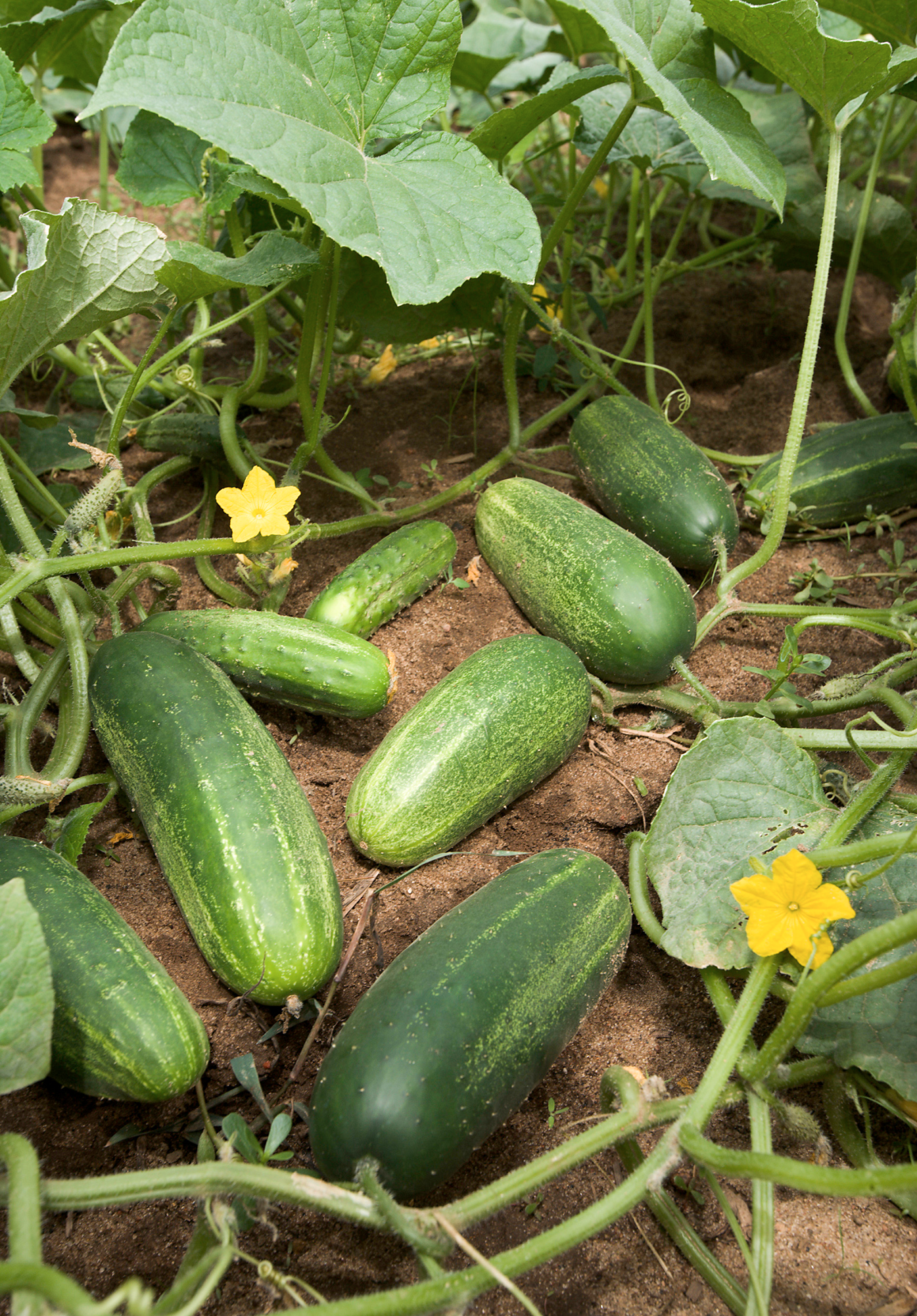
Photo: Stephen Ausmus, USDA ARS, Public domain, via Wikimedia Commons
Annual · Climber · Vegetable
Cucumber ‘Marketmore’
Cucumber ‘Marketmore’
Also known as: Cucumber ‘Marketmore 76’
A reliable, heavy-cropping outdoor cucumber with straight, dark green fruits and excellent disease resistance, perfect for UK vegetable patches.
- Full sun
- 1.5–2 m (5–7 ft)
- 60–90 cm (24–35 in)
- H1b · Zone 10
- June–August
- Deciduous
- RHS Award of Garden Merit
Overview
Cucumber ‘Marketmore’ is a popular ridge cucumber variety loved by British gardeners for its reliability and heavy yields. It produces long, straight, dark green fruits with a crisp texture and good flavour, ideal for slicing into salads and sandwiches.
This vigorous, trailing or climbing annual grows well outdoors in a sunny, sheltered spot, or can be trained up canes, netting or a trellis to save space and keep fruits clean. It also performs well in a greenhouse or polytunnel for an earlier and extended harvest.
‘Marketmore’ has good resistance to cucumber mosaic virus and mildew, making it a dependable choice for beginners as well as experienced growers. Regular picking encourages more fruit to form, giving a steady supply right through summer and into early autumn.
Sow seeds indoors in spring and plant out once the risk of frost has passed, or sow directly outdoors once the soil has warmed. Keep the soil consistently moist and feed regularly once fruiting begins for the best results.
At a Glance
Growing Conditions
Aspect Suitability
- South-facing
- West-facing
Soil Tolerance
- Clay
- Sandy
- Loam
- Neutral pH
Foliage
- Architectural foliage
Foliage interest: June–September
Seasonal Timeline
- Flowering Jun Jul Aug
- Foliage Jun Jul Aug Sep
- Fruiting Jul Aug Sep
- Propagate Apr May Jun
- Sow indoors Mar Apr
- Sow / plant outside Apr May Jun Jul
- Plant out Apr May
- Harvest Jul Aug Sep
How to propagate
One way to grow more Cucumber ‘Marketmore’: the usual steps for each method.
From seed Apr–Jun Easy
You'll need: Seed compost, a seed tray or small pots, labels, and a clear lid or plastic bag.
- Fill a tray or pots with seed compost, level it and firm it gently.
- Water the compost and let it drain.
- Sow the seeds thinly on top. Cover them with a fine layer of compost or vermiculite about as deep as the seed is big; leave tiny seeds uncovered.
- Label them, cover with a clear lid or bag, and keep them somewhere bright but out of hot sun.
- Keep the compost just moist, and take the cover off once seedlings appear.
- How long
- Usually comes up in 1 to 3 weeks.
- It's worked when
- Seedlings with their first pair of leaves.
- Then
- When each has its first true leaves, prick them out into their own small pots, holding them by a leaf, never the stem. Harden them off for a week or two before planting out.
Sow seeds indoors in pots from April, or direct sow outside once the risk of frost has passed, usually late May to June. Keep the compost warm and moist for best germination, and harden off indoor-raised plants before planting out.
Maintenance Calendar
- Mar Sow seeds indoors in pots
- Apr Sow further seeds for succession
- Apr Prepare a fertile, well-drained bed
- May Harden off young plants before planting out
- May Install a sturdy wigwam or trellis
- Jun Plant out once frost risk has passed
- Jun Water regularly to keep soil consistently moist
- Jun Tie in and train stems onto support
- Jun Mulch around the base to retain moisture
- Jul Feed weekly with a high-potash fertiliser
- Jul Pinch out growing tips to encourage branching
- Jul Check for aphids and red spider mite
- Jul Monitor leaves for powdery mildew
- Jul Harvest cucumbers regularly to boost yield
- Aug Water deeply during dry spells
- Aug Continue fortnightly feeding
- Aug Pick fruits while young and tender
- Aug Inspect for whitefly and slug damage
- Sep Harvest remaining cucumbers before frosts
- Sep Remove any mildew-affected leaves
- Oct Clear and compost spent plants after frost
- Oct Clean and store supports for next season
Garden Design
Works well in: Edible / Kitchen Garden
Best trained up a wigwam, trellis or netting at the back of a vegetable bed where its sprawling stems and large leaves add bold, leafy texture; the bright yellow flowers bring a cheerful cottage-garden feel to a productive plot.
Companion planting: Attracts pollinators, Good with beans and peas, Good with sweetcorn, Avoid near aromatic herbs and potatoes
Wildlife Value
- Bees
- Other pollinators
- Food source
- Food
Safety
Cucumber fruit, leaves and flowers are safe to handle and the fruit is edible with no known toxicity to people or common pets. The stems and leaves can feel slightly rough or prickly, so some gardeners prefer gloves when handling the vines.