

Annual · Vegetable
Cucurbita pepo
Courgette, Zucchini, Summer squash
A fast, productive squash species that includes courgettes (zucchini), pattypan and other summer squash, plus some pumpkins and acorn squash.
- Full sun
- 45–90 cm (18–35 in)
- 0.9–1.5 m (3–5 ft)
- H2 · Zone 10
- June–September
- Deciduous
Overview
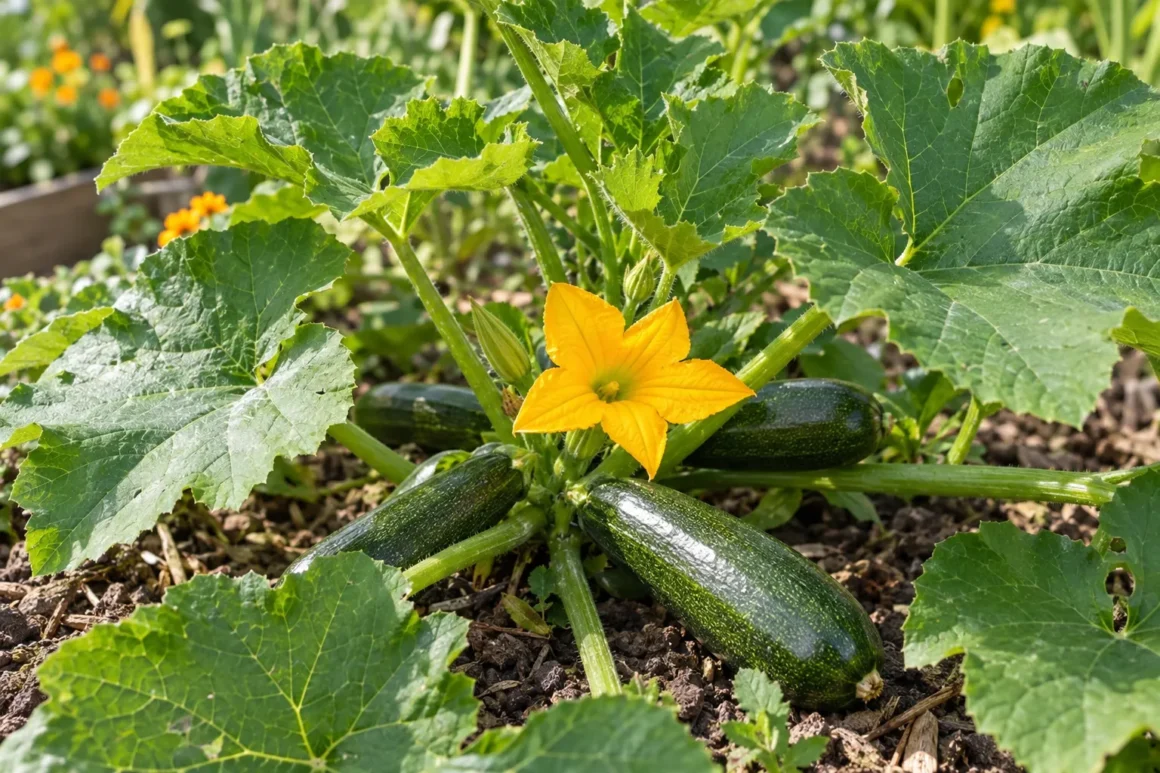
Cucurbita pepo was domesticated in Mexico around 10,000 years ago and is one of the most productive crops a home gardener can grow. It includes courgettes (zucchini), yellow and pattypan summer squash, picked young and tender, as well as acorn and spaghetti squash and many Halloween pumpkins, which are left to ripen and harden. Most summer squash form a large, bushy plant with bold, lobed, often silver-marked leaves and big golden flowers, which are also edible. They need warmth and are killed by frost, but grow so fast that one or two plants keep a family supplied all summer. Habit, fruit shape and colour depend on the variety, as some types trail widely.
At a Glance
Growing Conditions
Aspect Suitability
- South-facing
- West-facing
Soil Tolerance
- Clay
- Sandy
- Loam
- Neutral pH
- Alkaline
Foliage
- Architectural foliage
Foliage interest: June–September
Seasonal Timeline
- Flowering Jun Jul Aug Sep
- Foliage Jun Jul Aug Sep
- Fruiting Jun Jul Aug Sep Oct
- Propagate Apr May Jun
- Sow indoors Mar Apr
- Sow / plant outside Apr May
- Plant out Apr May
- Harvest Jun Jul Aug Sep Oct
How to propagate
One way to grow more Courgette, Zucchini, Summer squash: the usual steps for each method.
From seed Apr–Jun Easy
You'll need: Seed compost, a seed tray or small pots, labels, and a clear lid or plastic bag.
- Fill a tray or pots with seed compost, level it and firm it gently.
- Water the compost and let it drain.
- Sow the seeds thinly on top. Cover them with a fine layer of compost or vermiculite about as deep as the seed is big; leave tiny seeds uncovered.
- Label them, cover with a clear lid or bag, and keep them somewhere bright but out of hot sun.
- Keep the compost just moist, and take the cover off once seedlings appear.
- How long
- Usually comes up in 1 to 3 weeks.
- It's worked when
- Seedlings with their first pair of leaves.
- Then
- When each has its first true leaves, prick them out into their own small pots, holding them by a leaf, never the stem. Harden them off for a week or two before planting out.
Sow indoors in individual pots three to four weeks before your last frost, or direct outdoors once the soil reaches about 15°C (59°F). Sow seeds on their edge about 2cm deep. Saved seed often crosses with other squash and may not come true.
Maintenance Calendar
- Apr Sow indoors in pots three to four weeks before your last frost, as roots dislike disturbance later
- May Plant out after your last frost into rich soil with plenty of compost, protecting young plants from slugs
- Jun Water heavily around the base, not over the leaves, which helps prevent mildew
- Jul Feed every one to two weeks with a high-potash fertiliser once fruiting begins
- Jul Pick courgettes at 10-15cm (4-6in) every few days, as missed fruit quickly turns into marrows and stops new ones forming
- Aug Remove leaves badly affected by powdery mildew to keep air moving
- Oct Clear plants after the first frost
Garden Design
Works well in: Cottage, Edible / Kitchen Garden
Its big, bold leaves and golden flowers make a handsome, tropical-looking plant for a sunny bed, raised bed or very large pot. Allow a full square metre per plant.
Companion planting: Sweetcorn, Beans, Nasturtiums, Marigolds
Wildlife Value
- Bees
- Other pollinators
- Food source
- Food
Safety
Fruit and flowers are edible. Occasionally fruit (usually from saved seed or stressed plants) contains cucurbitacins and tastes very bitter; do not eat bitter fruit, as it can cause severe stomach upset. The stems and leaves are prickly, so wear long sleeves when picking.