

Tender perennial
Cuphea insignis
Large-flowered cigar flower
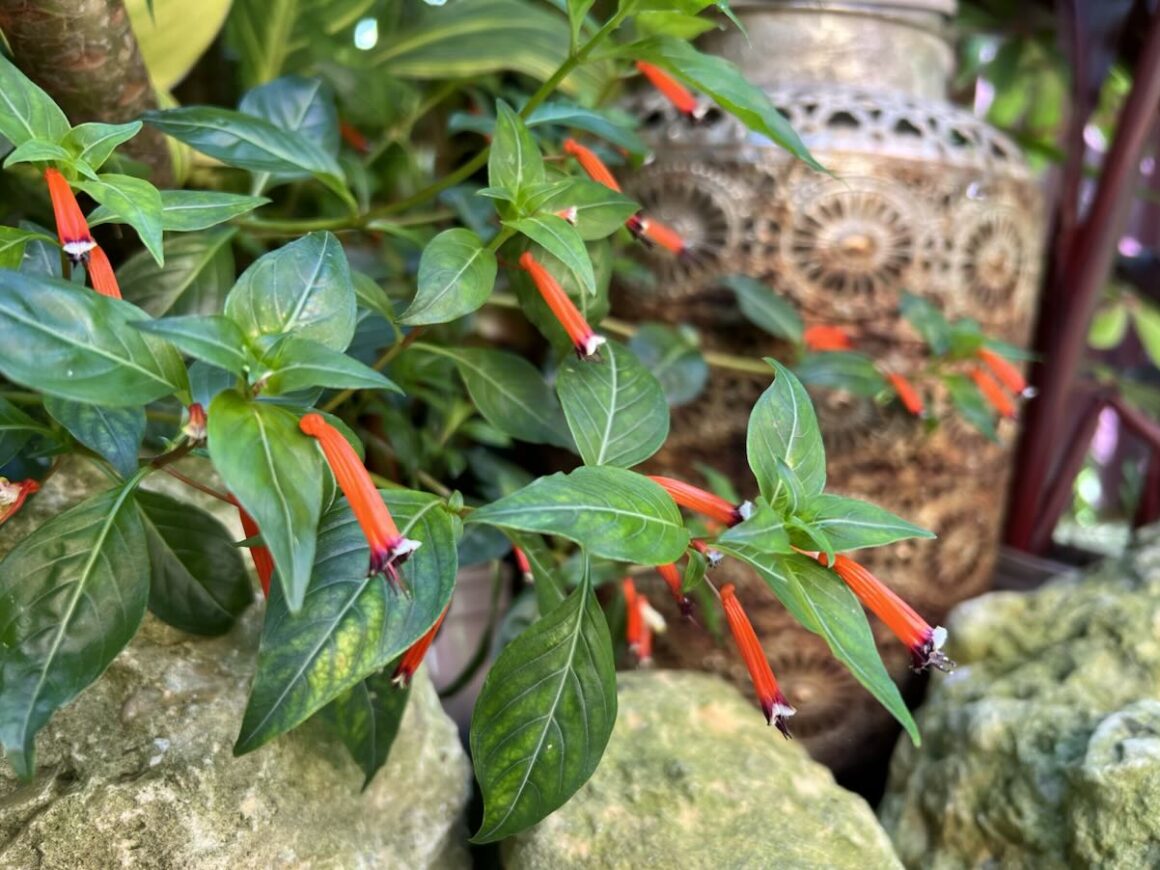
A tender sub-shrub with large tubular red and white flowers over a long summer season.
- Full sun, Partial shade
- 40–80 cm (16–31 in)
- 40–60 cm (16–24 in)
- H2 · Zone 10
- June–October
- Evergreen
Overview
A bigger-flowered relative of the familiar cigar plant, Cuphea insignis produces show-stopping tubular blooms in vivid red tipped white over a bushy mound of soft green foliage from summer into autumn. Like all cupheas grown in the UK it comes from warm climates and cannot tolerate frost, so it is raised as summer bedding or a container and conservatory plant, planted out only once all frost risk has passed and lifted or replaced with fresh stock before the first cold nights.
At a Glance
Growing Conditions
Aspect Suitability
- South-facing
- West-facing
Soil Tolerance
- Chalk
- Sandy
- Loam
- Acid
- Neutral pH
- Alkaline
Foliage
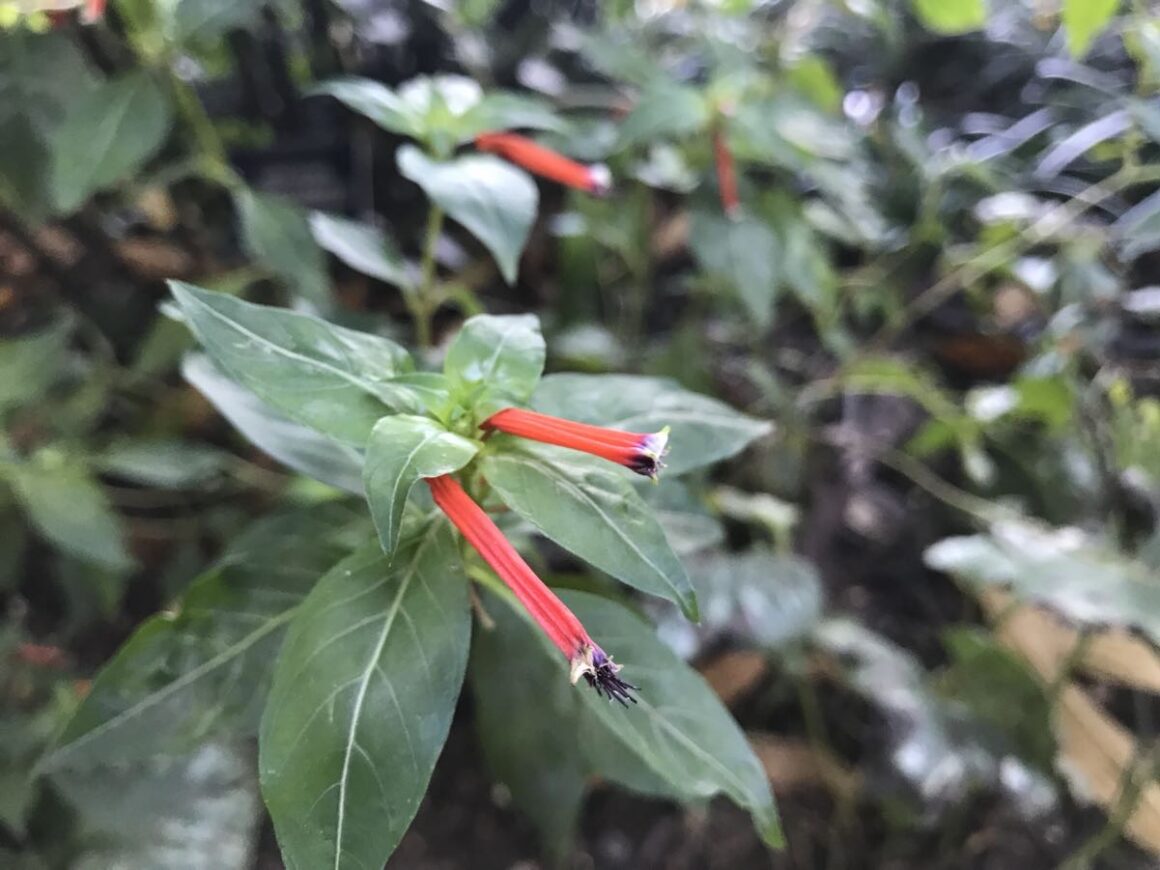
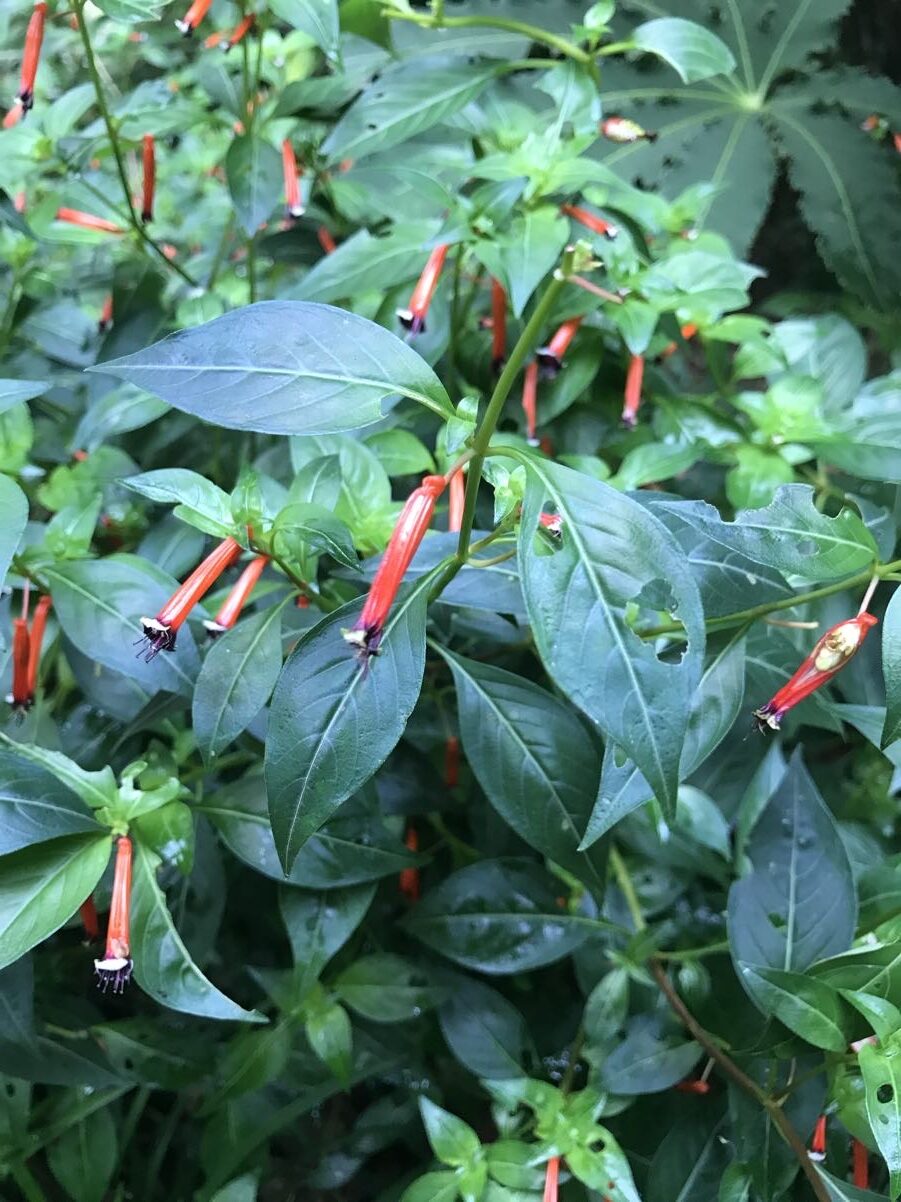
Foliage interest: May–October
Seasonal Timeline
- Flowering Jun Jul Aug Sep Oct
- Foliage May Jun Jul Aug Sep Oct
- Propagate Mar Apr May Aug Sep
Maintenance Calendar
- Mar Take cuttings from overwintered stock plants
- May Harden off and plant out or pot up after frost
- Jun Feed regularly to sustain flowering
- Sep Take late cuttings as insurance against winter loss
- Oct Bring stock plants under frost-free cover
Garden Design
Works well in: Container, Contemporary, Cottage, Tropical
Grow as summer bedding or in pots for a patio or conservatory; take cuttings in late summer as insurance, since plants rarely survive a UK winter outdoors.
Companion planting: Salvias, Pelargoniums, Tender bedding
Wildlife Value
- Bees
- Other pollinators
Safety
No well-established toxicity; ornamental plant not intended for eating.