

Perennial
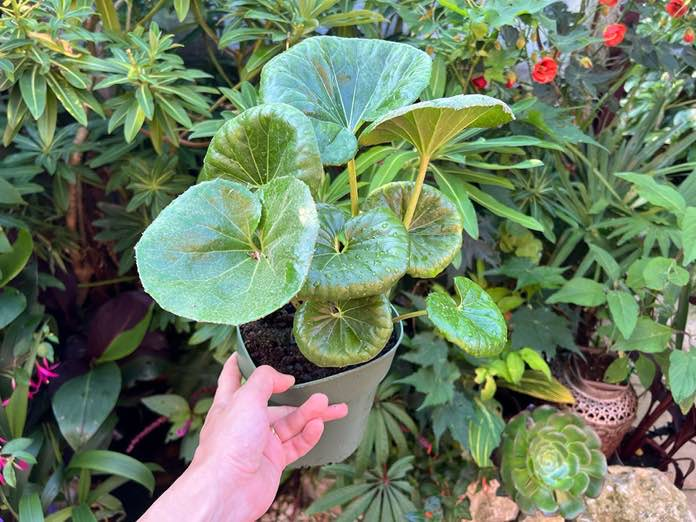
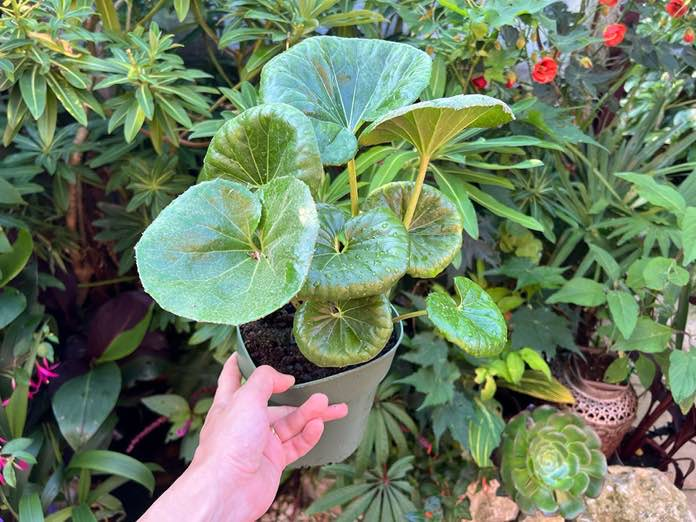
Farfugium japonicum var. giganteum
Giant leopard plant
Also known as: Farfugium japonicum 'Giganteum', Farfugium giganteum
An evergreen perennial with enormous, glossy, kidney-shaped leaves and yellow daisies in autumn and winter.
- Full shade, Partial shade
- 0.6–1 m (2–3 ft)
- 0.6–1 m (2–3 ft)
- H3 · Zone 9
- October–December
- Evergreen
Overview
This giant form of the Japanese leopard plant, often sold as Farfugium giganteum, forms a bold clump of thick, glossy, dark green, round to kidney-shaped leaves that can reach 30-40cm across on long stalks. Tall stems of bright yellow daisy flowers appear late in the year, from autumn into winter, when little else is flowering. It grows best in moist, rich soil in sheltered shade. Hardy to about -5°C (23°F), it needs a mild garden, a deep winter mulch or a pot that can be protected in colder areas.
At a Glance
Growing Conditions
Aspect Suitability
- North-facing
- East-facing
- West-facing
Site Tolerance
- Coastal
Soil Tolerance
- Clay
- Loam
- Acid
- Neutral pH
- Alkaline
Foliage
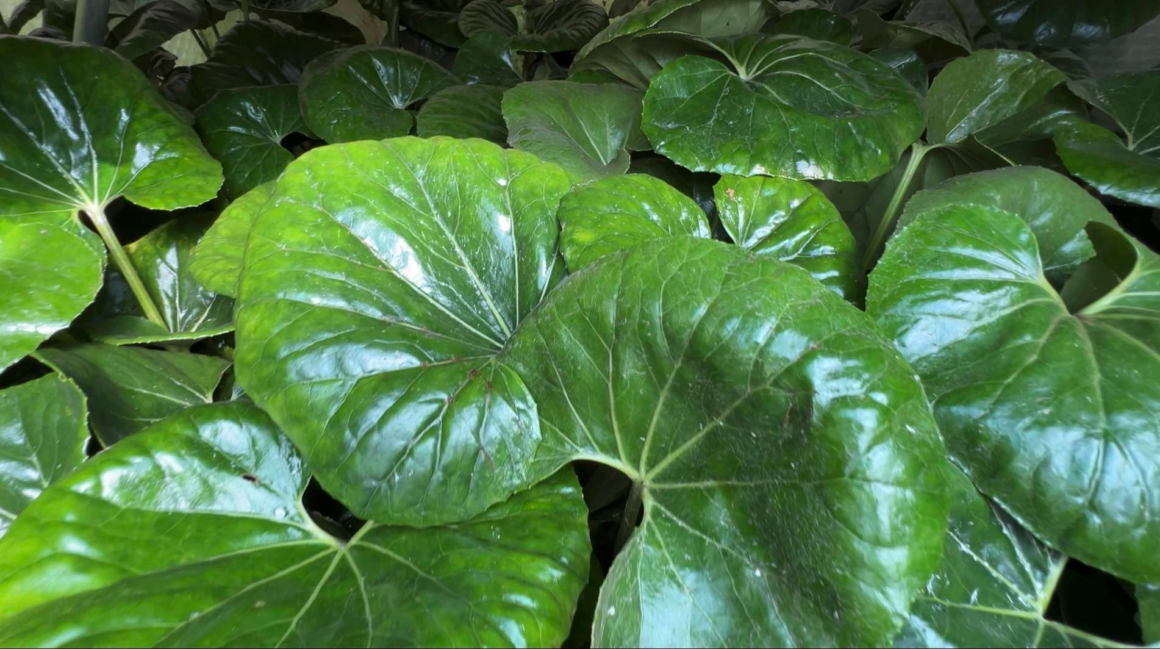
- Architectural foliage
Foliage interest: 12 months of the year
Seasonal Timeline
- Flowering Oct Nov Dec
- Foliage 12 months of the year
- Propagate Mar Apr
How to propagate
One way to grow more Giant leopard plant: the usual steps for each method.
Division Mar–Apr Easy
You'll need: A garden fork or spade (two forks back to back help with big clumps) and a sharp knife.
- Water the plant well the day before.
- Dig up the whole clump with a fork, keeping as much root as you can.
- Split it into pieces about the size of your fist, each with healthy roots and shoots: pull them apart by hand, or cut tough clumps with a knife or spade.
- Throw away any old, woody middle.
- Replant the pieces straight away at the same depth, and water them in well.
- How long
- Settles in within a few weeks.
- It's worked when
- Fresh new growth within a few weeks.
- Then
- Water in dry spells for the rest of the season.
Divide clumps in spring, keeping a good piece of root with each set of leaves.
Maintenance Calendar
- Mar Cut off leaves damaged by winter weather at the base before new ones unfurl
- May Protect new leaves from slugs, which can riddle them with holes that spoil the plant for the whole year
- Jul Water in dry spells, as the large leaves flop quickly when the soil dries
- Nov Mulch thickly around the crown in colder gardens, or move pots against a sheltered wall for winter
Garden Design
Works well in: Japanese / Zen, Modern / Contemporary, Tropical / Exotic, Woodland / Shade
A striking evergreen for a shaded courtyard or a big pot near the house, adding jungle-like leaves and late flowers in a sheltered spot.
Companion planting: Ferns, Hostas, Fatsias, Hardy begonias
Wildlife Value
- Bees
- Other pollinators
Safety
- Toxic to humans
- Toxic to dogs
- Toxic to cats
- Toxic to horses
Contains pyrrolizidine alkaloids, which are toxic if eaten; the young stalks are eaten in Japan only after special preparation. Keep away from pets and livestock.