

Fruit · Shrub · Tree
Ficus carica ‘Ice Crystal’
Ice Crystal fig
Also known as: Ficus 'Ice Crystal', Ficus carica Ice Crystal
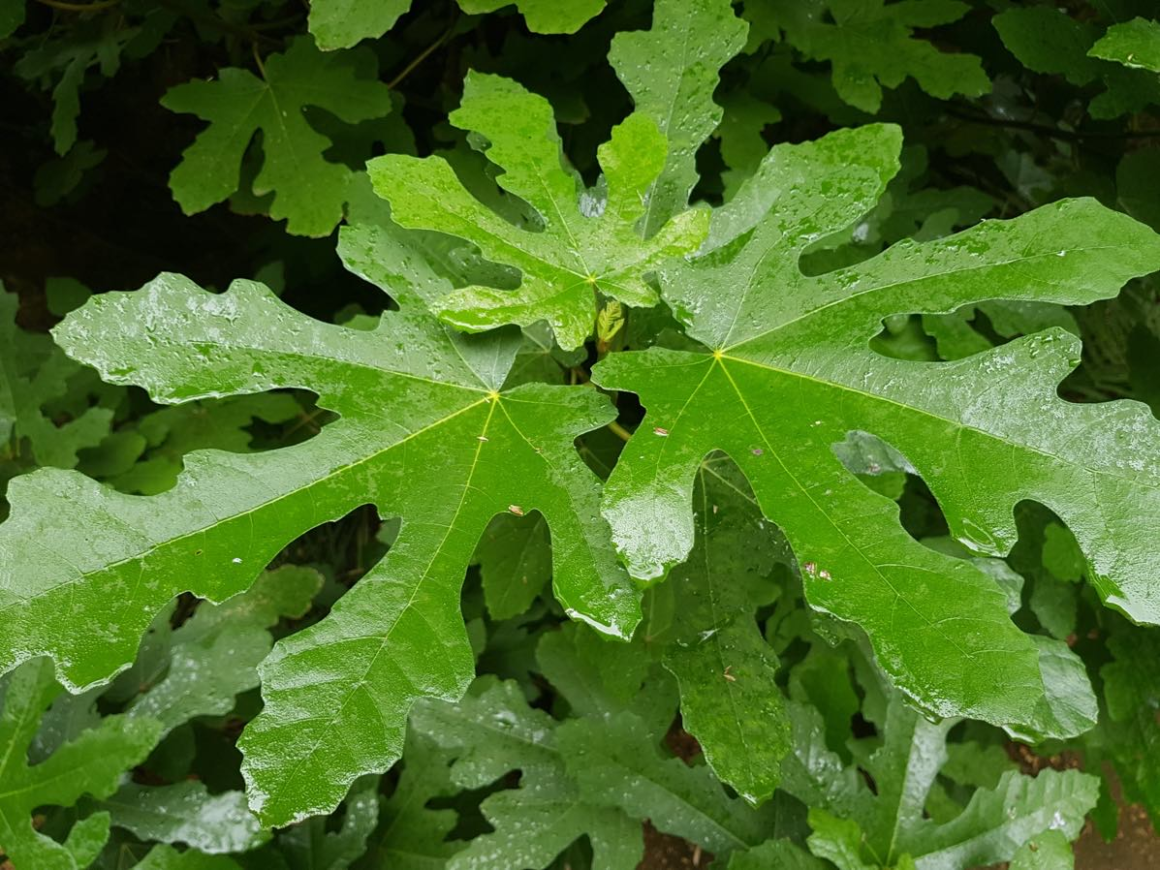
A hardy fig grown for its deeply cut, lacy leaves like snowflakes, with small edible figs on established plants.
- Full sun
- 2–4 m (7–13 ft)
- 2–4 m (7–13 ft)
- H5 · Zone 7
- Deciduous
- RHS Award of Garden Merit
Overview
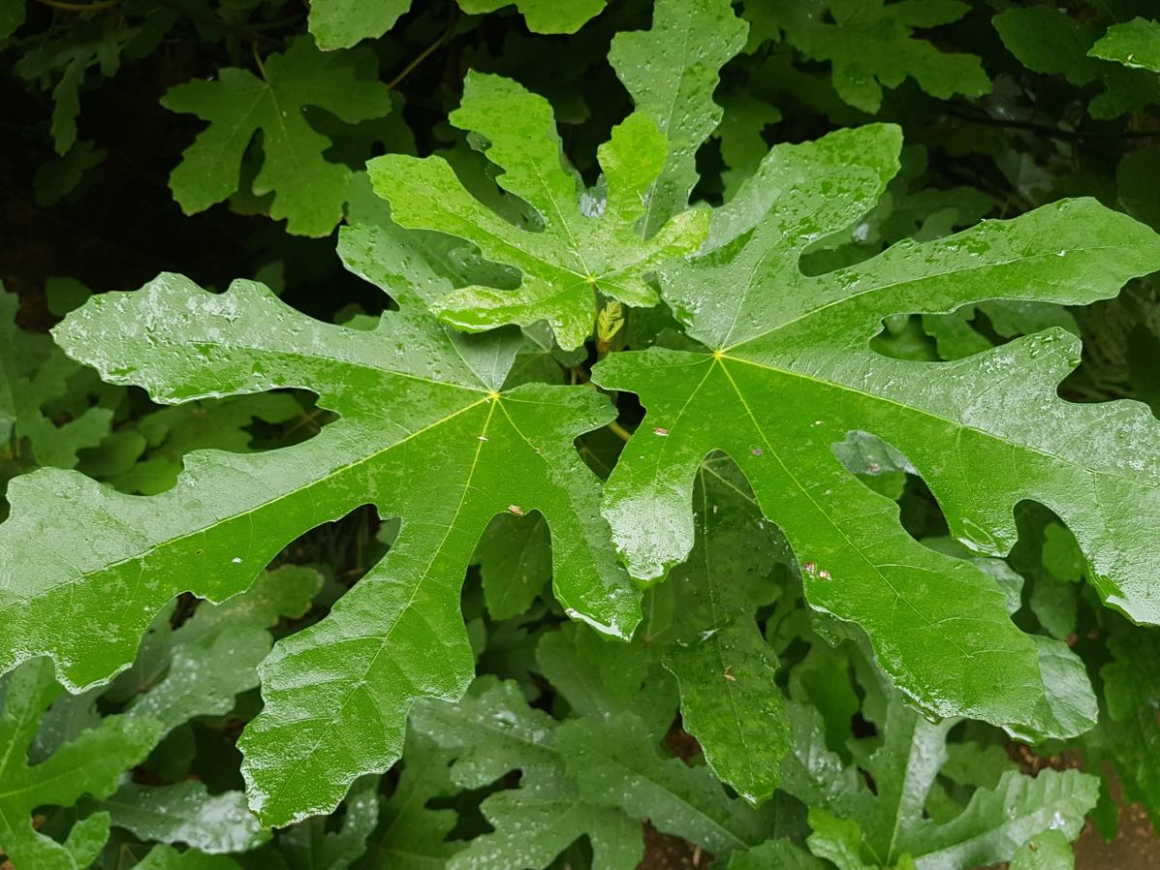
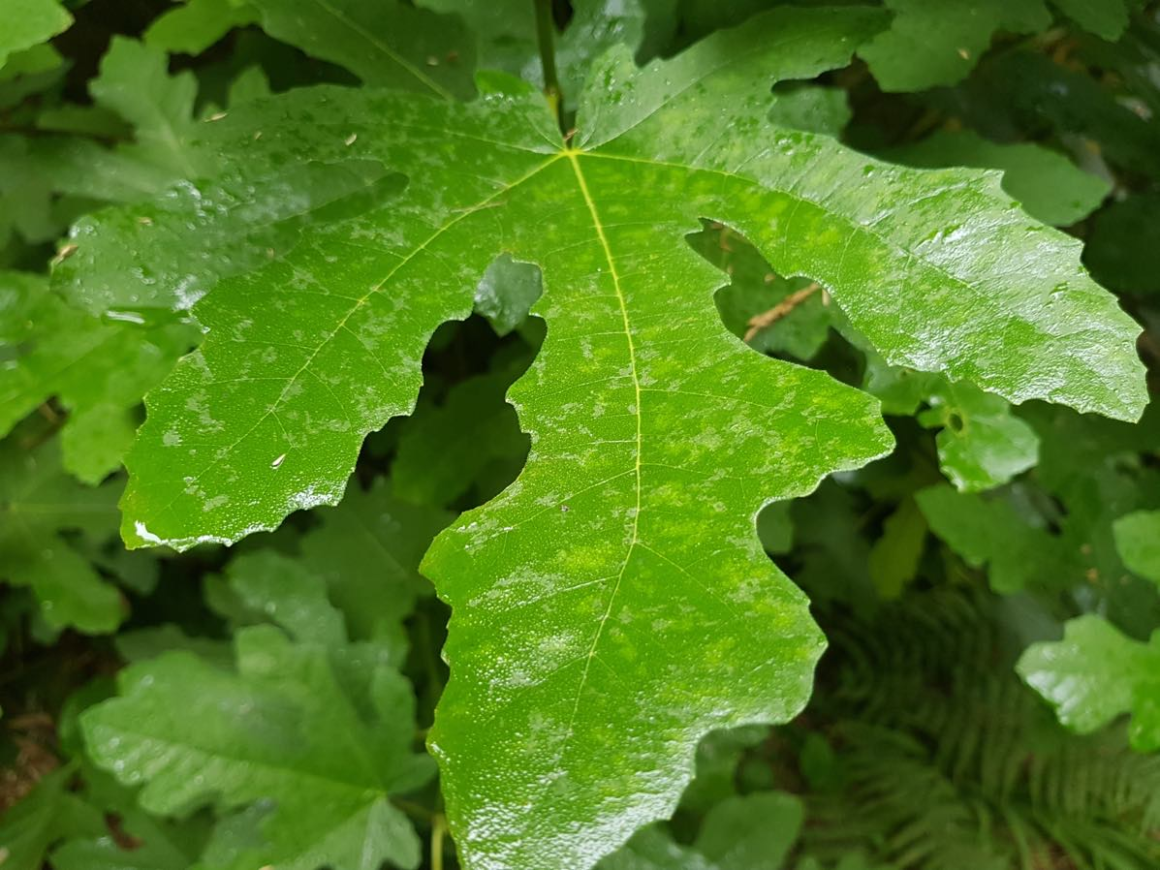
This unusual form of the common fig, a species native to western Asia and the eastern Mediterranean, is grown mainly for its foliage. Each leaf is so deeply and finely divided that it looks lacy, like a large green snowflake, before turning yellow in autumn. It makes a bushy, rounded shrub or small tree, smaller than most figs, and established plants produce small edible figs that ripen to purple-red. It is hardy to about -15°C (5°F) and holds an RHS Award of Garden Merit. In cool-summer climates the fruit ripens best against a warm, sunny wall; in warm climates it can produce two crops a year.
At a Glance
Growing Conditions
Aspect Suitability
- South-facing
- West-facing
Site Tolerance
- Coastal
- Drought
Soil Tolerance
- Clay
- Chalk
- Sandy
- Loam
- Acid
- Neutral pH
- Alkaline
Foliage
- Autumn colour
- Architectural foliage
Foliage interest: April–October
Seasonal Timeline
- Foliage Apr May Jun Jul Aug Sep Oct
- Fruiting Aug Sep Oct
- Propagate Jul Aug Nov Dec
- Harvest Aug Sep Oct
How to propagate
Ways to grow more Ice Crystal fig: the usual steps for each method.
Hardwood cuttings Nov–Dec Easy
You'll need: Secateurs, and a spare corner of soil or a deep pot of gritty compost.
- Once the leaves have fallen, cut pencil-thick stems of this year's growth.
- Cut them into 15 to 25 cm lengths: a sloping cut just above a bud at the top, a straight cut just below a bud at the bottom.
- Push them into a slit in the ground (add some sand to the bottom on heavy soil) or a deep pot, so two-thirds is buried.
- Leave them somewhere sheltered, and water in dry spells.
- How long
- Slow but sure: roots by the following autumn.
- It's worked when
- Leaves in spring, and the cutting holds firm when tugged.
- Then
- Lift them and plant them where they're to grow the following autumn.
Semi-ripe cuttings Jul–Aug Takes a little care
You'll need: Clean, sharp secateurs, small pots, gritty compost, and rooting powder if you have it.
- Choose this year's shoots that are firm at the base but still soft at the tip, and cut pieces 10 to 15 cm long.
- Trim just below a leaf joint and take off the lower leaves; pinch out the soft tip.
- Dip the cut end in rooting powder if you have some.
- Push them into pots of gritty compost, water them in and cover with a clear bag.
- Keep them in a cold frame, greenhouse or bright windowsill out of direct sun.
- How long
- Roots in about 6 to 10 weeks.
- It's worked when
- New leaves, and the cutting resists when you tug it gently.
- Then
- Keep them somewhere cool and frost-free over winter, and pot them up separately in spring.
Layering Jul–Aug Easy
You'll need: A bent wire or tent peg (or a stone), and a small cane.
- Choose a low, bendy stem that reaches the ground.
- Where it touches the soil, scrape away a little bark on the underside, or make a small slanting cut.
- Peg that part down into the soil and cover it, leaving the tip sticking up; tie the tip to a cane.
- Keep it moist.
- How long
- Roots in 6 to 12 months.
- It's worked when
- New growth from the tip, and roots where it was pegged down.
- Then
- Once it has rooted, cut it free from the parent and plant it where you want it.
Take semi-ripe cuttings in summer, or hardwood cuttings about 20cm long in late autumn after leaf fall. Cuttings keep the lacy leaf form; seedlings will not.
Maintenance Calendar
- Feb Prune in late winter, before sap rises, removing crossing, damaged or frost-killed shoots to keep an open shape
- May Feed pot-grown plants with a high-potash fertiliser, but in open ground avoid rich feeding, which gives leaves at the expense of figs
- Aug Pick figs when they are soft, hang down and show a small split at the base
- Nov Rub off any large, unripe figs left at leaf fall in cool climates, as they will not ripen and can rot
Garden Design
Works well in: Edible / Kitchen Garden, Mediterranean, Modern / Contemporary, Tropical / Exotic
Place it where the snowflake leaves can be seen against a plain wall or sky. Restricting the roots in a large pot or lined planting pit keeps it compact and encourages fruit.
Companion planting: Mediterranean shrubs, Lavenders, Grasses, Olives
Wildlife Value
- Birds
- Shelter
- Food source
- Food
Safety
- Toxic to dogs
- Toxic to cats
- Skin irritant
Ripe figs are edible. The milky sap contains furanocoumarins that can cause painful blistering when sap-covered skin is exposed to sunlight, so wear gloves and long sleeves when pruning. Leaves and sap can upset dogs and cats if chewed.