

Herbaceous perennial
Hibiscus coccineus
Scarlet rosemallow
Also known as: Hibiscus semilobatus, Hibiscus coccineus ‘Texas Star’
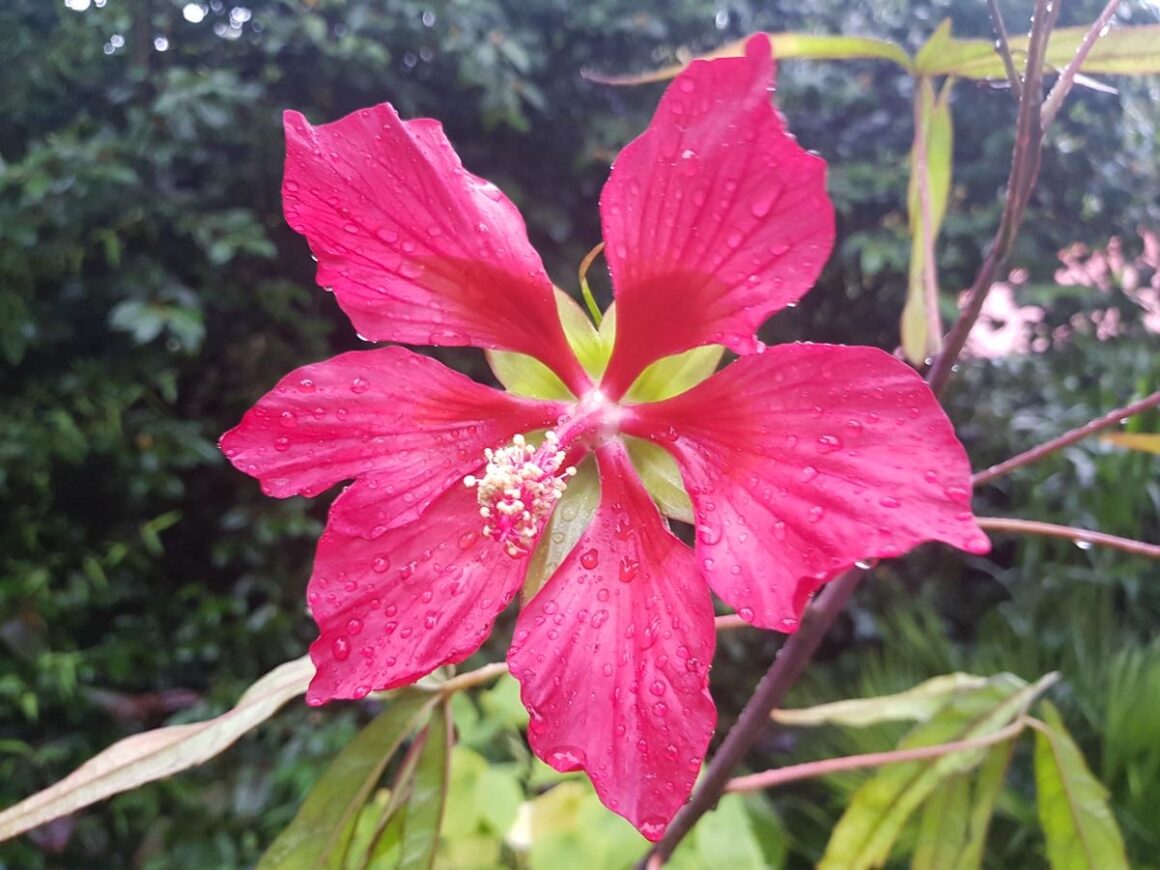
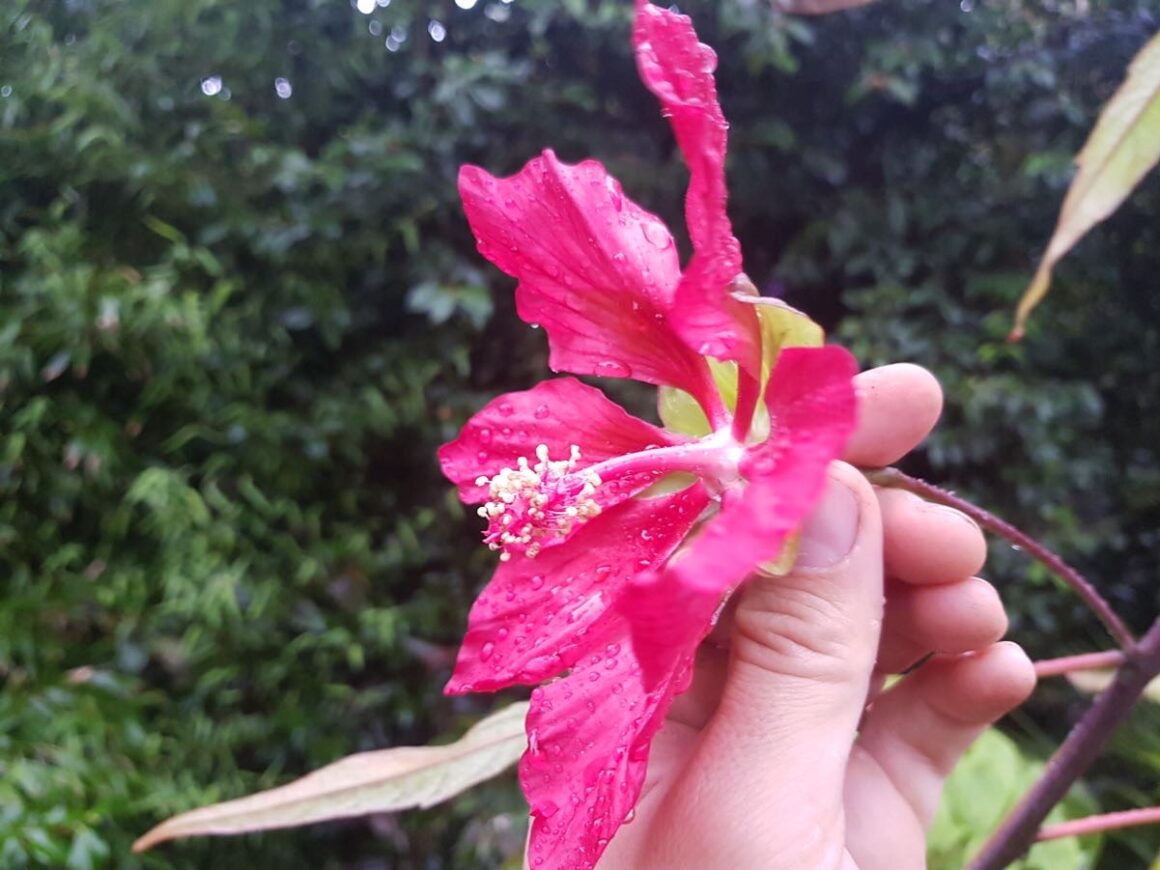
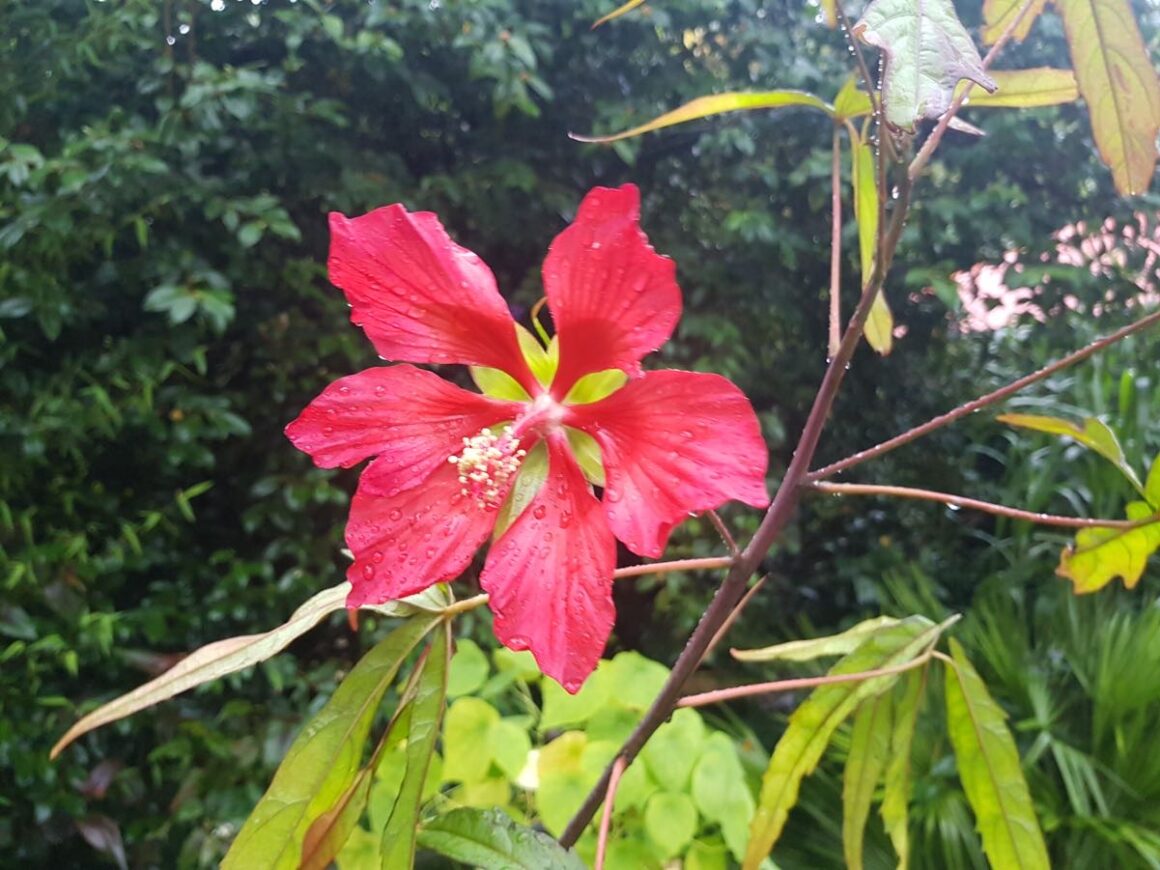
A tall herbaceous perennial with deeply cut, hemp-like leaves and huge scarlet, star-shaped flowers in late summer.
- Full sun, Partial shade
- 1.5–2.5 m (5–8 ft)
- 0.6–1 m (2–3 ft)
- H3 · Zone 8
- July–September
- Deciduous
Overview
Also known as scarlet rosemallow or Texas star, this North American marsh-dweller dies back to the ground each winter and sends up tall, upright stems each spring, clothed in narrow, deeply lobed leaves that resemble a maple or even cannabis leaf. From midsummer into early autumn it produces a long succession of huge, single, star-shaped scarlet flowers. It is noticeably less hardy than the related and more commonly grown Hibiscus moscheutos, so in the UK it needs a warm, sheltered, south-facing spot, permanently moist to wet soil, and a thick winter mulch over the crown once it has died down; even then it is a plant for milder gardens rather than a reliable choice everywhere.
At a Glance
Growing Conditions
Aspect Suitability
- South-facing
- West-facing
Site Tolerance
- Wet soil
Soil Tolerance
- Clay
- Loam
- Acid
- Neutral pH
Foliage
- Autumn colour
- Architectural foliage
Foliage interest: May–September
Seasonal Timeline
- Flowering Jul Aug Sep
- Foliage May Jun Jul Aug Sep
- Fruiting Sep Oct
- Propagate Apr May Jun
Maintenance Calendar
- Apr Remove old winter mulch carefully as late shoots emerge
- May Divide or plant out once frost risk has passed
- Jun Keep the root area consistently wet through summer
- Aug Enjoy the large flowers and their pollinators
- Nov Cut back after the first hard frost and mulch thickly over the crown
Garden Design
Works well in: Bog, Contemporary, Cottage, Pondside, Tropical, Tropical / Exotic
Give it the warmest, most sheltered spot with reliable moisture - a south-facing pond margin is ideal - and mark its position clearly, since it emerges late and is easily damaged if disturbed while dormant.
Companion planting: Cannas, Persicarias, Late-season perennials
Wildlife Value
- Bees
- Butterflies
- Moths
- Other pollinators
- Birds
Safety
No well-established toxicity; ornamental plant not intended for eating.