

Perennial
Kniphofia caulescens
Red hot poker
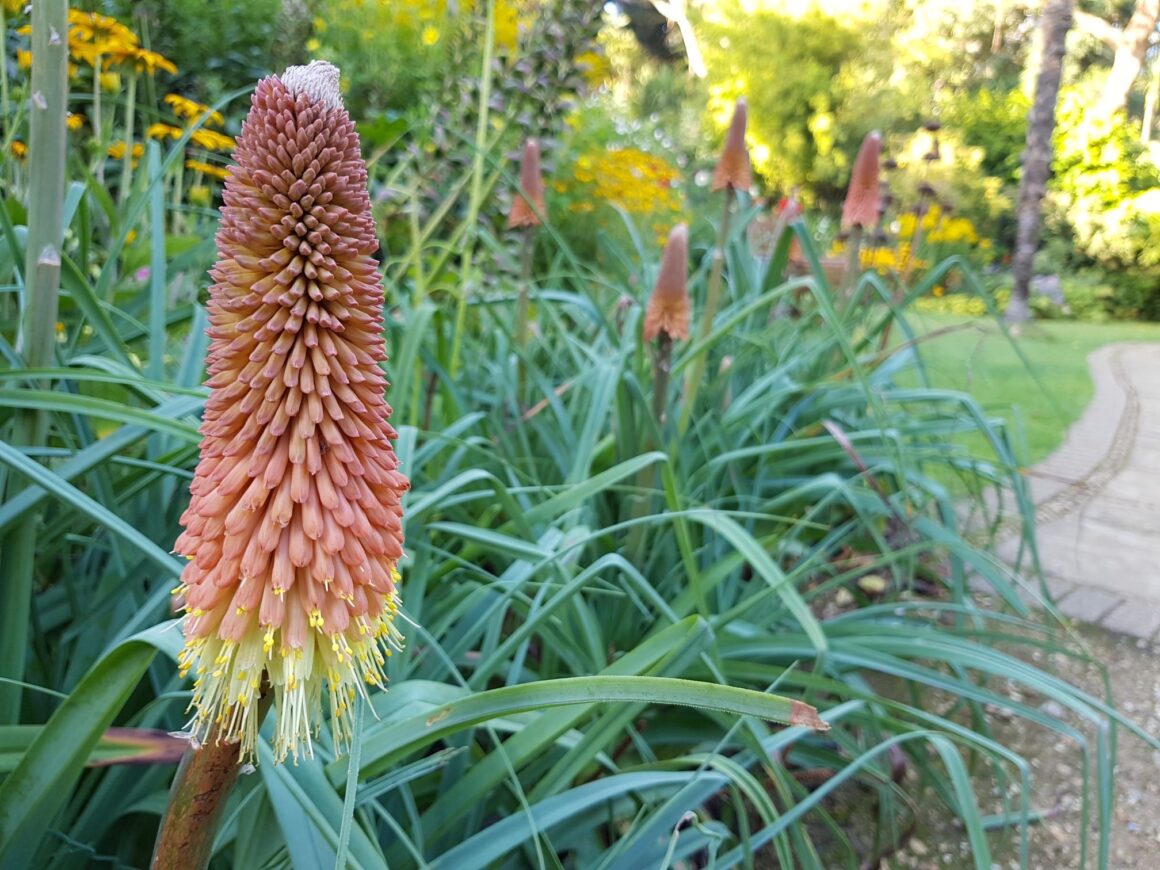
A statuesque evergreen red hot poker with broad glaucous leaves and coral-to-cream flower spikes.
- Full sun
- 1–1.5 m (3–5 ft)
- 60–90 cm (24–35 in)
- H6 · Zone 6
- August–October
- Evergreen
Overview
One of the hardiest and most architectural pokers, this South African species forms a thick, woody stem clothed in broad, glaucous blue-grey leaves, eventually resembling a small yucca. Sturdy flower spikes open coral-red in bud, fading through orange to creamy yellow, on tall stems in late summer and autumn. It is reliably hardy and long-lived in free-draining soil.
At a Glance
Growing Conditions
Aspect Suitability
- South-facing
- West-facing
Site Tolerance
- Wind
- Drought
Soil Tolerance
- Chalk
- Sandy
- Loam
- Neutral pH
- Alkaline
Foliage
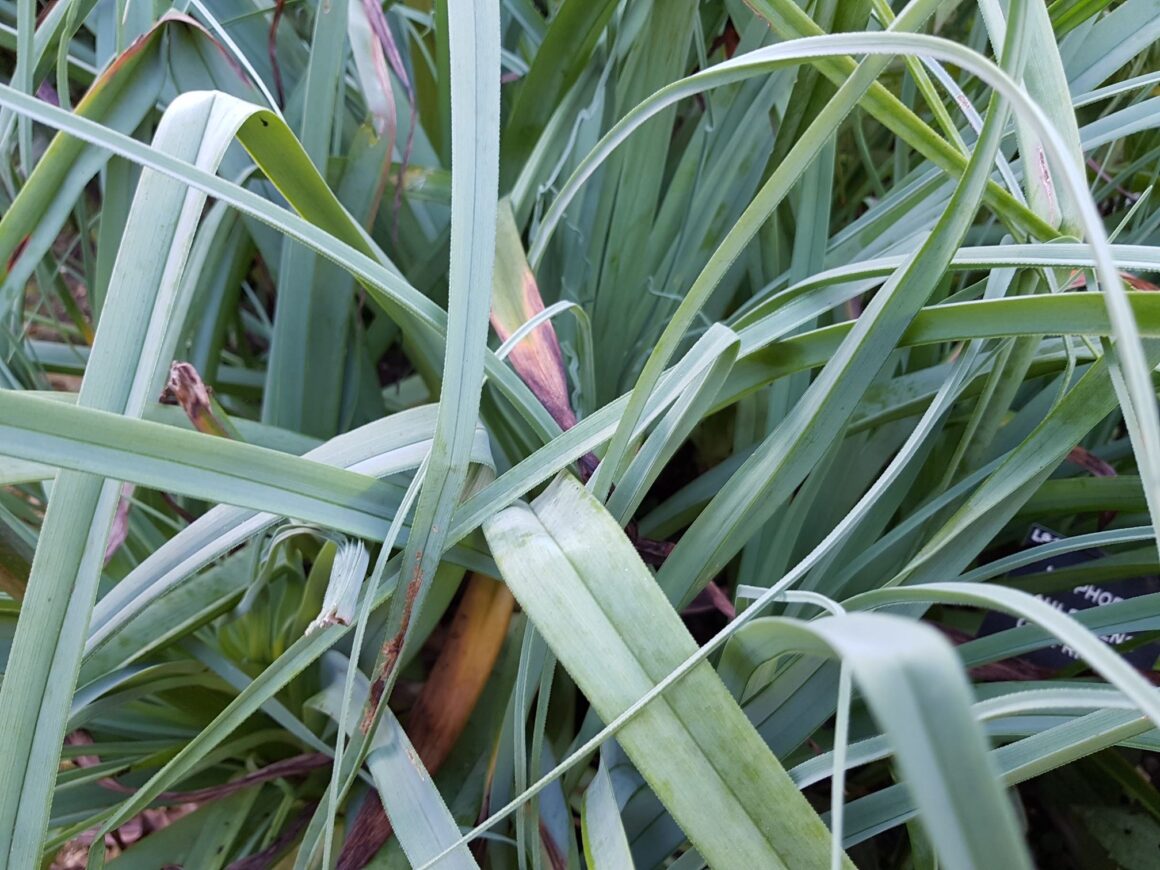
- Architectural foliage
Foliage interest: 12 months of the year
Seasonal Timeline
- Flowering Aug Sep Oct
- Foliage 12 months of the year
- Propagate Apr May
Maintenance Calendar
- Mar Remove old flower stems and tidy tatty leaves
- May Divide overcrowded clumps if flowering has declined
- Jun Water new plantings until established
- Sep Leave spikes for pollinators and seed-eating birds
- Nov Tie leaf tips together over the crown in very cold gardens
Garden Design
Works well in: Contemporary, Gravel, Mediterranean, Prairie, Tropical, Tropical / Exotic
A strong architectural anchor for a sunny gravel garden or prairie-style border; avoid winter-wet soil which is more damaging than cold.
Companion planting: Ornamental grasses, Sedums, Late perennials
Wildlife Value
- Bees
- Other pollinators
- Birds
Safety
No well-established toxicity; leaf edges can be slightly rough to handle.