

Annual · Vegetable
Lactuca sativa
Lettuce
The classic salad crop, fast and easy in cool weather, with types from crisp hearting heads to loose, frilly cut-and-come-again leaves.
- Full sun, Partial shade
- 15–30 cm (6–12 in)
- 20–30 cm (8–12 in)
- H3 · Zone 9
- Deciduous
Overview
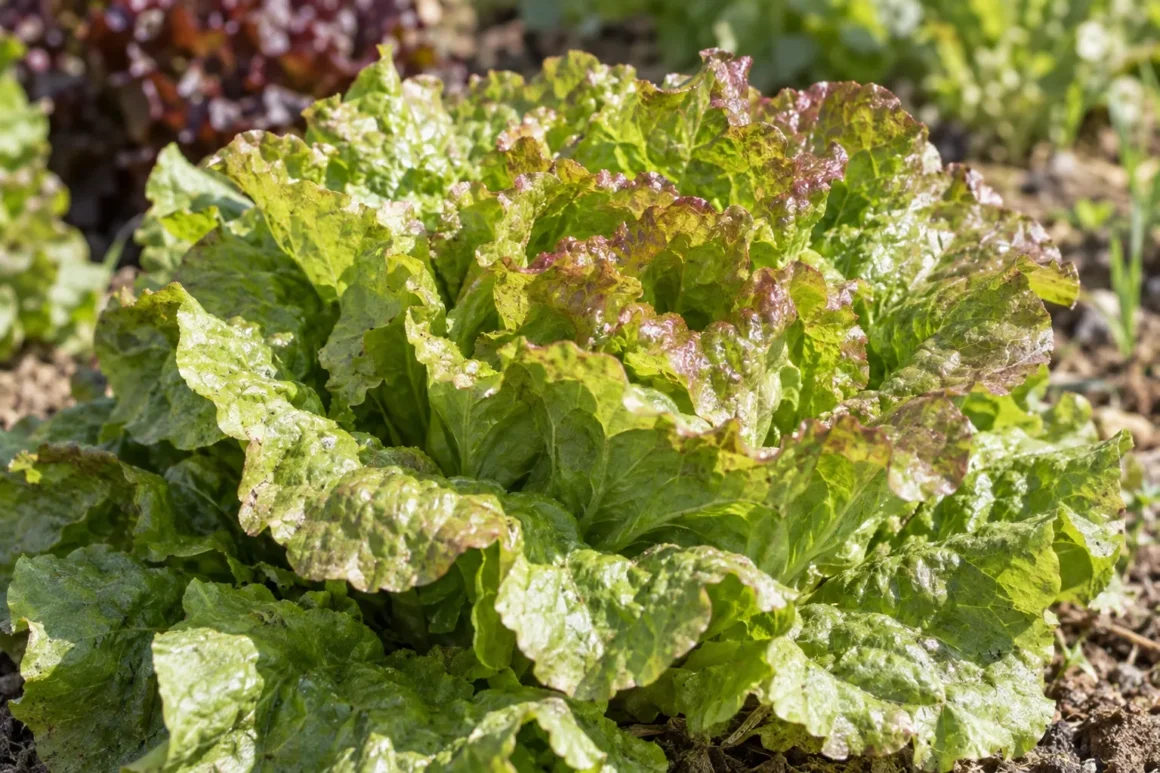
Lettuce was developed from wild prickly lettuce in the Mediterranean and Middle East and is grown in almost every vegetable garden. Varieties fall into several groups: crisp, hearting iceberg types; tall, upright romaine or cos; soft butterhead; and loose-leaf types, picked a few leaves at a time. Leaves may be green, red, bronze or speckled, smooth or frilly, making lettuce decorative as well as useful. It grows best between about 10-20°C (50-68°F) and tolerates light frost; in hot weather plants bolt and turn bitter, and seed may not germinate above about 25°C (77°F). In hot climates grow it in the cooler months or in afternoon shade. Form, colour and bolt resistance depend on the variety.
At a Glance
Growing Conditions
Aspect Suitability
- East-facing
- South-facing
- West-facing
Soil Tolerance
- Clay
- Sandy
- Loam
- Neutral pH
- Alkaline
Foliage
Foliage interest: March–November
Seasonal Timeline
- Foliage Mar Apr May Jun Jul Aug Sep Oct Nov
- Propagate Feb Mar Apr May Jun Jul Aug Sep
- Sow indoors Mar Apr
- Sow / plant outside Apr May Jun Jul Aug
- Plant out Apr
- Harvest Apr May Jun Jul Aug Sep Oct Nov
How to propagate
One way to grow more Lettuce: the usual steps for each method.
From seed Feb–Sep Easy
You'll need: Seed compost, a seed tray or small pots, labels, and a clear lid or plastic bag.
- Fill a tray or pots with seed compost, level it and firm it gently.
- Water the compost and let it drain.
- Sow the seeds thinly on top. Cover them with a fine layer of compost or vermiculite about as deep as the seed is big; leave tiny seeds uncovered.
- Label them, cover with a clear lid or bag, and keep them somewhere bright but out of hot sun.
- Keep the compost just moist, and take the cover off once seedlings appear.
- How long
- Usually comes up in 1 to 3 weeks.
- It's worked when
- Seedlings with their first pair of leaves.
- Then
- When each has its first true leaves, prick them out into their own small pots, holding them by a leaf, never the stem. Harden them off for a week or two before planting out.
Sow thinly 1cm (0.5in) deep direct or in modules from about four weeks before your last frost, and every two to three weeks after. In hot weather sow in the evening and keep the compost cool, as seed goes dormant at high temperatures.
Maintenance Calendar
- Mar Sow in modules or direct from about four weeks before your last frost
- Apr Plant out 25cm (10in) apart and protect seedlings from slugs and birds
- May Sow a short row every two to three weeks for a continuous supply
- Jun Water in the morning during dry spells, as dry plants bolt and turn bitter
- Jun Cut hearting lettuces when firm, or pick outer leaves from loose-leaf types as needed
- Aug Sow hardy types for autumn cropping and, under cover, for winter
Garden Design
Works well in: Cottage, Edible / Kitchen Garden
Red and frilly lettuces make pretty edging for beds and paths and fill gaps between slower crops such as brassicas or sweetcorn. Loose-leaf types are ideal for pots and window boxes.
Companion planting: Carrots, Radishes, Onions, Strawberries, Chives
Safety
Leaves are edible and not known to be toxic to people or pets.