

Shrub · Tree
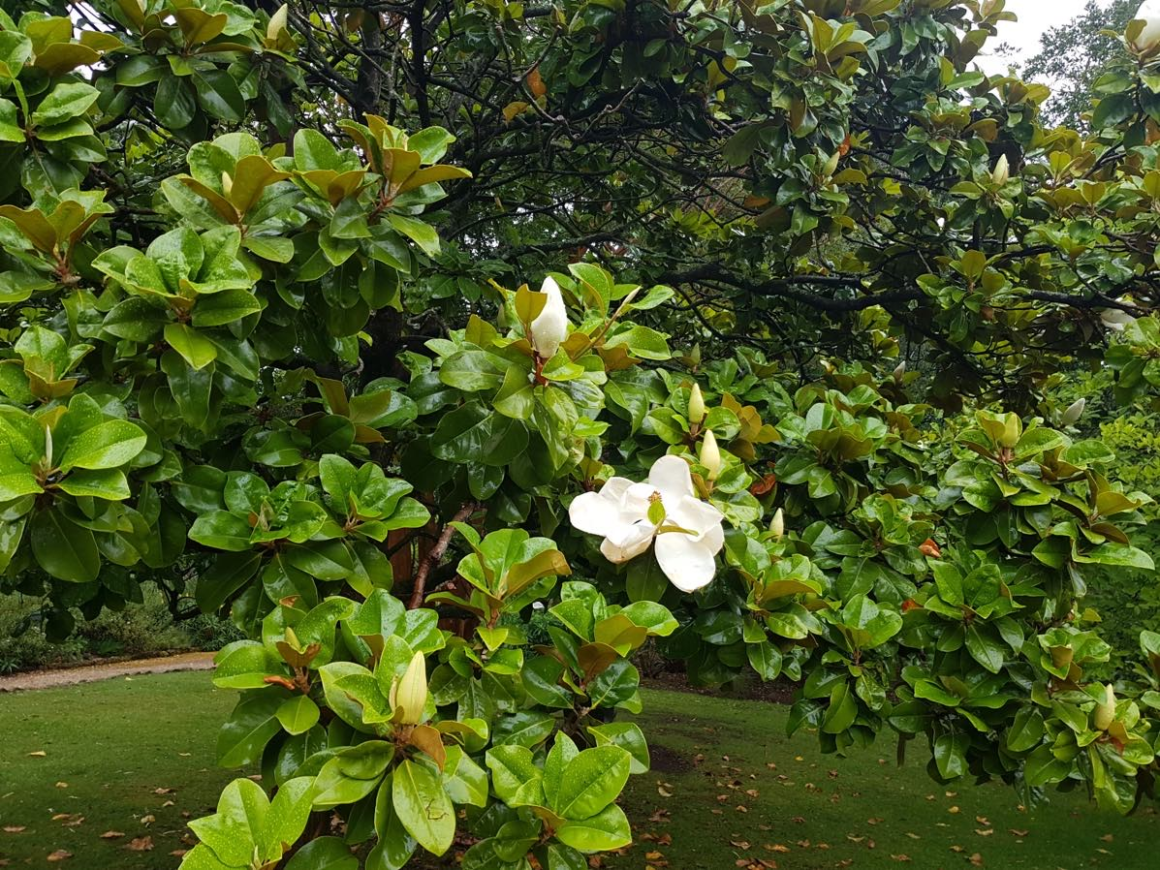
Magnolia grandiflora ‘Goliath’
Goliath southern magnolia
A free-flowering evergreen magnolia with glossy leaves and enormous, lemon-scented, creamy-white flowers from a young age.
- Full sun, Partial shade
- 6–15 m (20–49 ft)
- 4–8 m (13–26 ft)
- H5 · Zone 7
- July–October
- Evergreen
- RHS Award of Garden Merit
Overview
This selection of the southern magnolia, a tree native to the south-eastern USA, is valued for its exceptionally large, cup-shaped, creamy-white flowers, which can reach 25-30cm across and fill the air with a rich lemony scent. Its glossy, dark green leaves are broader and shorter than the species, with little or no rusty felt beneath, and it starts flowering younger than most forms, from midsummer into autumn. It is hardy to about -15°C (5°F). In cool-summer climates it flowers best against a warm, sunny wall; in warm climates it grows into a large, broad tree.
At a Glance
Growing Conditions
Aspect Suitability
- East-facing
- South-facing
- West-facing
Site Tolerance
- Coastal
Soil Tolerance
- Clay
- Chalk
- Sandy
- Loam
- Acid
- Neutral pH
- Alkaline
Foliage
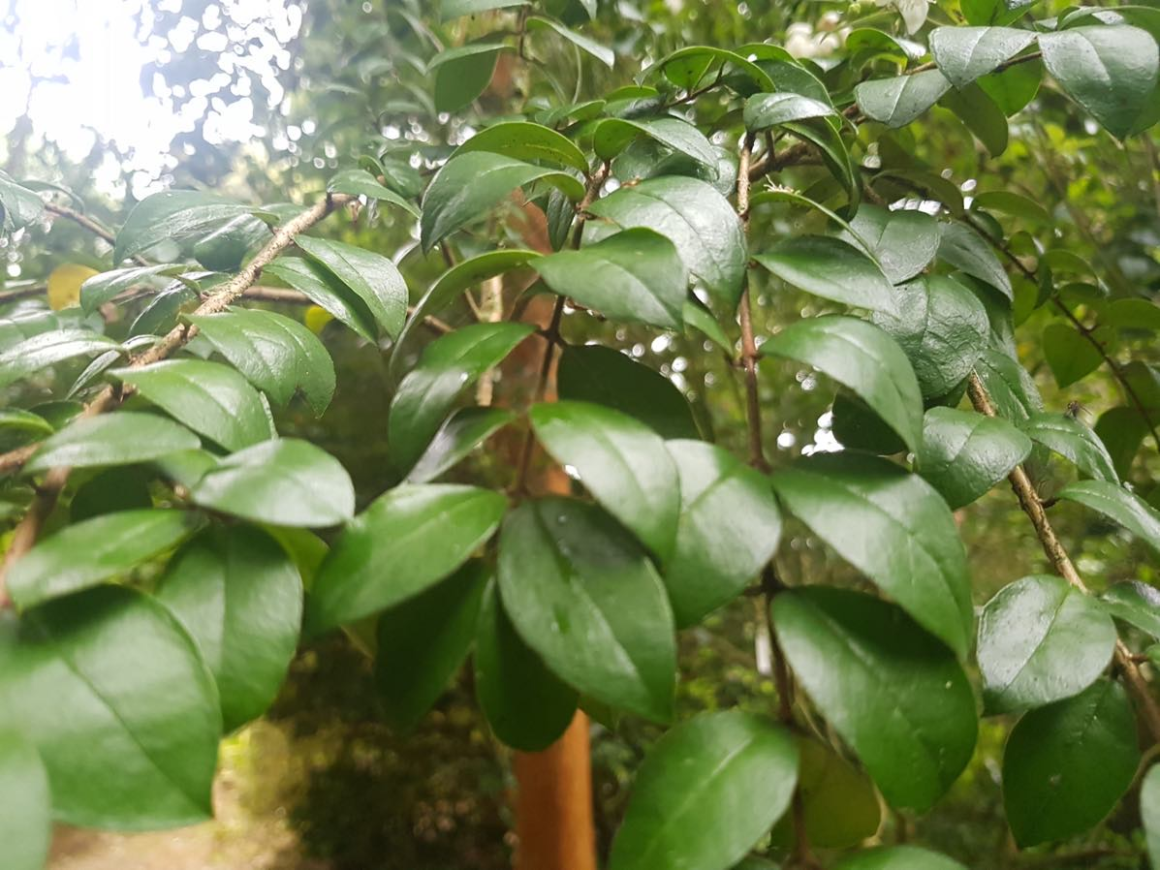
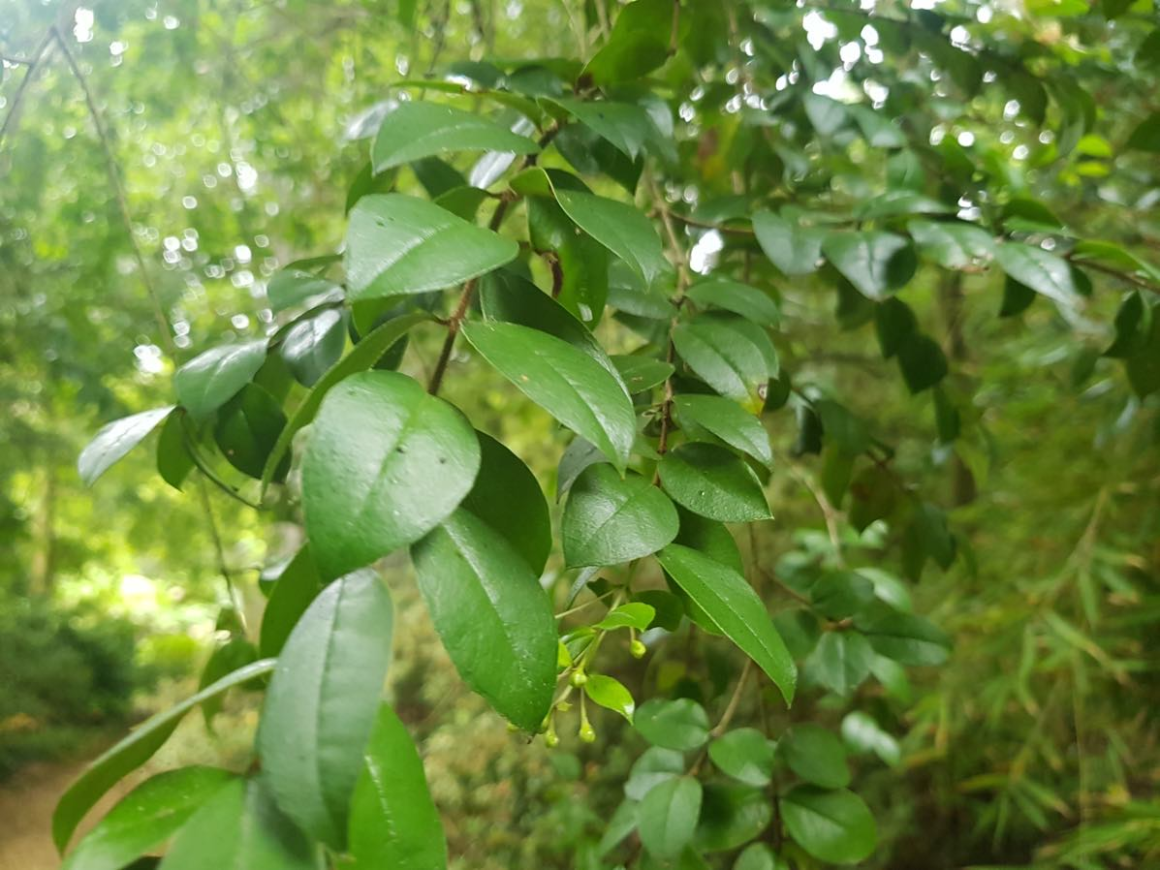
- Architectural foliage
Foliage interest: 12 months of the year
Seasonal Timeline
- Flowering Jul Aug Sep Oct
- Foliage 12 months of the year
- Fruiting Sep Oct Nov
- Propagate Apr May Jul Aug
How to propagate
Ways to grow more Goliath southern magnolia:
Layering Apr–May, Sep Easy
You'll need: A low, flexible branch, some garden wire or a peg, and a bit of patience.
- Choose a low, supple branch that can be bent to touch the ground.
- Wound the underside slightly where it will touch soil, or twist gently to crack the bark.
- Peg the wounded section down into a shallow hole amended with compost, leaving the tip upright.
- Cover with soil and firm, then mark the spot and keep it moist all year.
- Check for root growth after 12 to 18 months by gently tugging the layer.
- Once well rooted, sever from the parent plant and pot up or move to its final spot.
- How long
- Layers usually take 12 to 18 months to root well.
- It's worked when
- The layered stem resists a gentle tug and new growth appears at the tip.
- Then
- Leave the new plant in a sheltered spot for a further growing season before planting out permanently.
Semi-ripe cuttings Jul–Aug Tricky
You'll need: A propagator or heated bench with bottom heat, rooting hormone, and free-draining cutting compost.
- Take 10 to 15cm cuttings from firm, current-season shoots that are starting to turn woody at the base.
- Trim just below a leaf node and remove the lower leaves, leaving two or three at the tip.
- Reduce the remaining large leaves by half to cut down on moisture loss.
- Dip the cut end in rooting hormone and insert into a free-draining mix of compost and perlite.
- Place in a closed propagator with gentle bottom heat around 18 to 21 degrees C.
- Keep humid and shaded from direct sun, checking occasionally for rot, until roots form.
- How long
- Rooting is slow and can take 3 to 6 months, sometimes longer.
- It's worked when
- Gentle resistance when tugged and fresh new leaf growth appearing at the tip.
- Then
- Pot rooted cuttings individually and overwinter in a frost-free greenhouse or cold frame before growing on and hardening off the following spring.
Layer a low branch in spring, or take semi-ripe cuttings in summer and root with bottom heat. Rooting is slow, and named forms are usually grafted commercially.
Garden Design
Works well in: Mediterranean, Modern / Contemporary, Tropical / Exotic
Allow plenty of room. Train it against a large sunny wall in cooler climates, or grow it as a free-standing specimen or evergreen screen where summers are hot.
Companion planting: Camellias, Fatsias, Ferns, Trachycarpus
Wildlife Value
- Bees
- Other pollinators
- Birds
- Shelter
- Food source
- Nesting cover for birds
Food for birds: September–November