

Evergreen shrub · Houseplant · Perennial
Strelitzia reginae
Bird of Paradise
Also known as: Strelitzia regina, Heliconia bihai var. humilior
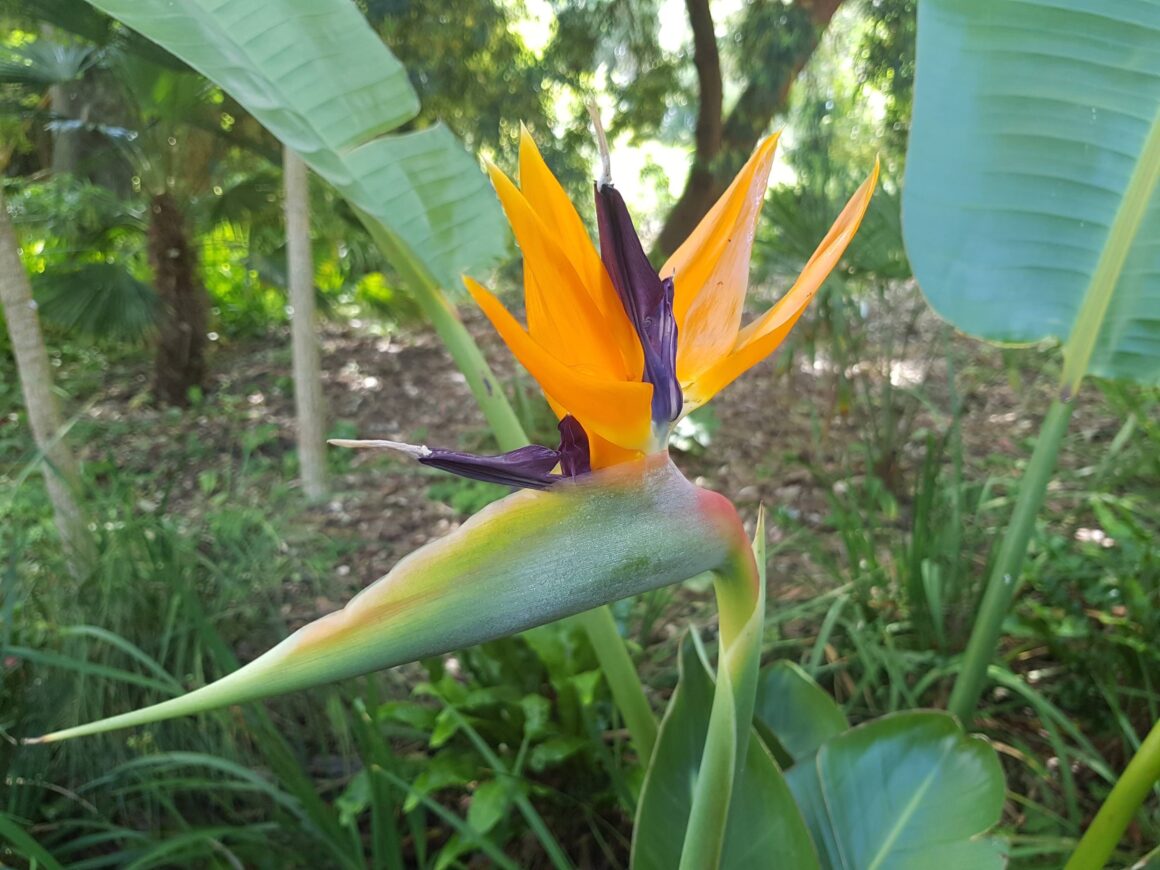
A dramatic architectural houseplant famed for its striking orange and blue crane-like flowers and bold banana-like leaves.
- Full sun, Partial shade
- 1–2 m (3–7 ft)
- 1–1.5 m (3–5 ft)
- H1b · Zone 11
- June–September
- Evergreen
- RHS Award of Garden Merit
Overview
Strelitzia reginae, commonly known as the Bird of Paradise, is a striking evergreen perennial prized for its exotic, crane-shaped flowers in vivid orange and blue, held above stiff, paddle-shaped grey-green leaves on long stalks. In its native South Africa it grows outdoors, but in the UK climate it is best grown as a conservatory or houseplant, needing protection from frost and cold winds.
Mature plants can reach substantial size in a large pot, forming an impressive clump of leaves that bring a tropical, architectural feel to any room or sheltered patio in summer. Flowering typically needs a few years of establishment and plenty of bright light, but the reward is a long-lasting, unusual bloom that looks remarkably like a colourful bird's head, giving the plant its common name.
While it won't survive a UK winter outdoors, Strelitzia reginae makes an excellent specimen plant for a bright conservatory, sunroom or as a feature houseplant, and can be moved outside to a sheltered, sunny spot during the warmer summer months to enjoy the fresh air.
At a Glance
Growing Conditions
Aspect Suitability
- East-facing
- South-facing
- West-facing
Site Tolerance
- Coastal
- Drought
Soil Tolerance
- Clay
- Sandy
- Loam
- Acid
- Neutral pH
Foliage
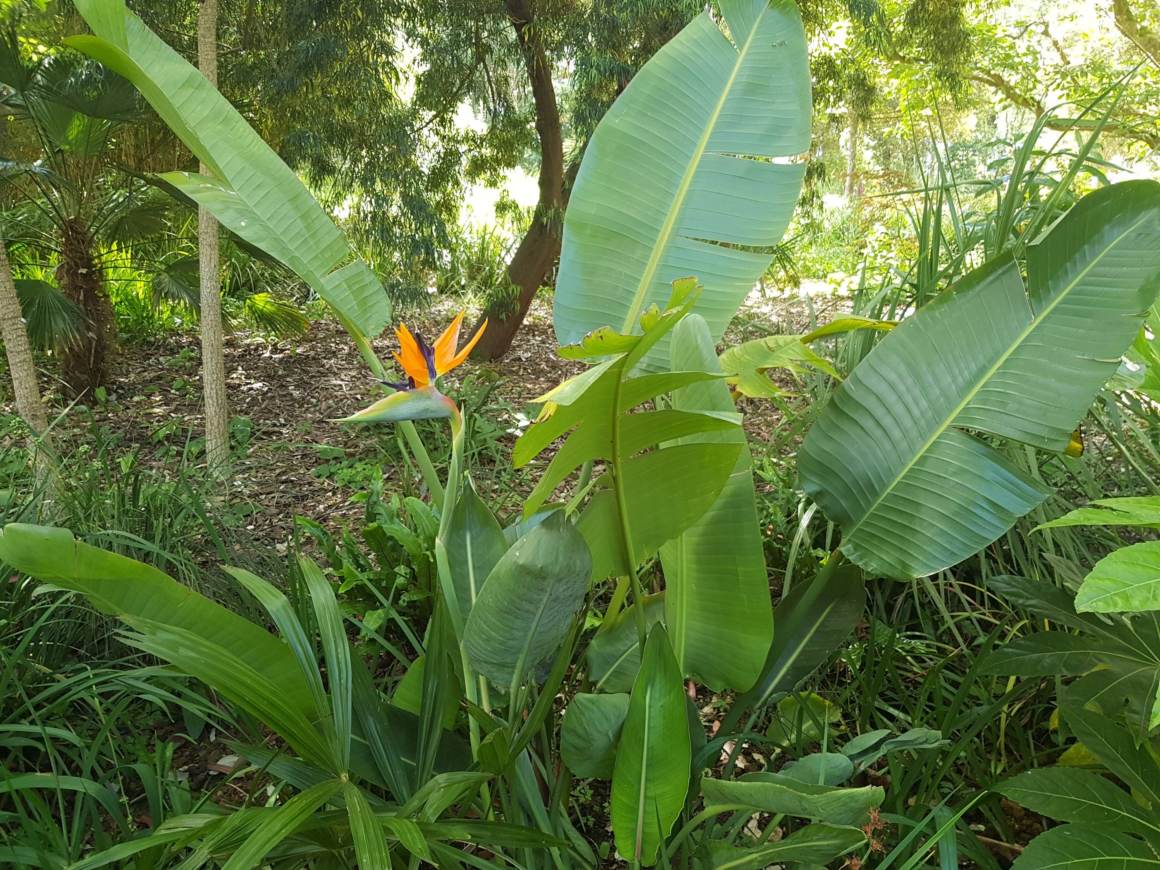
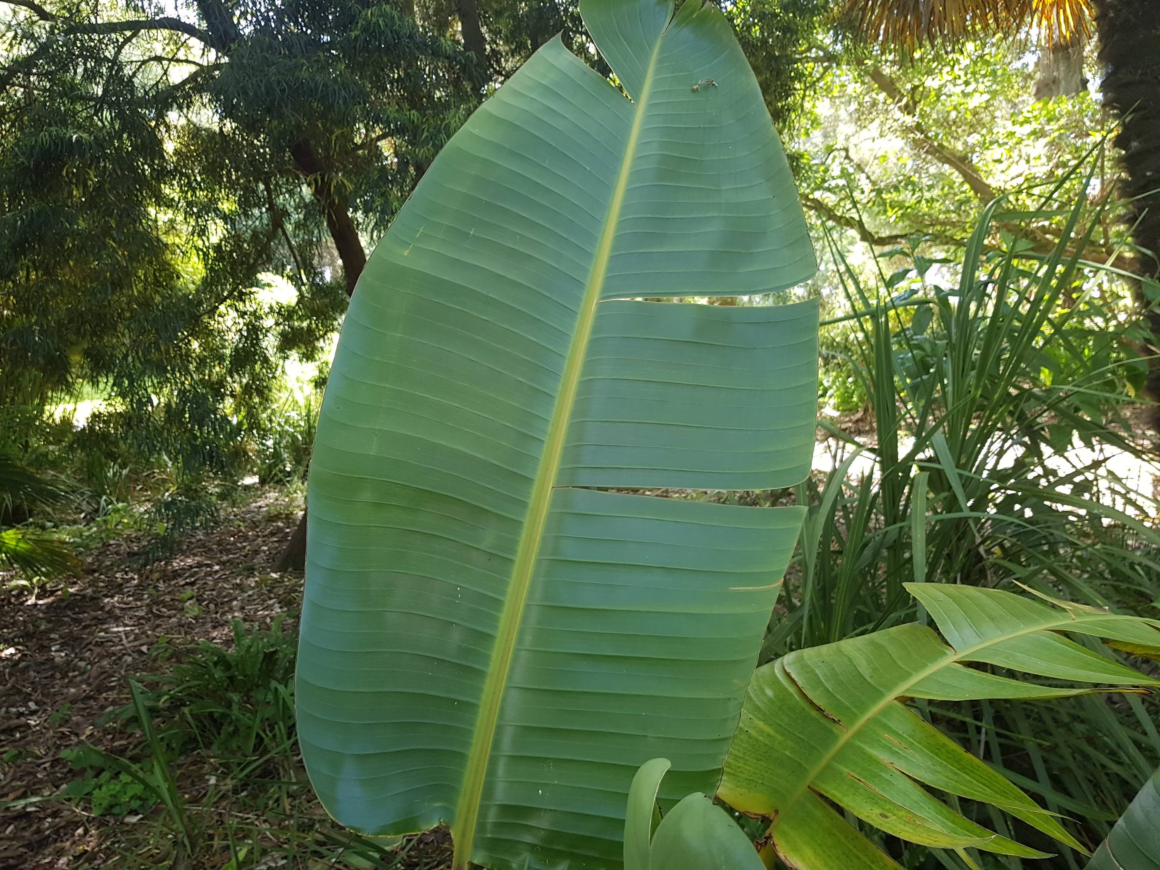
- Architectural foliage
Foliage interest: 12 months of the year
Seasonal Timeline
- Flowering Jun Jul Aug Sep
- Foliage 12 months of the year
- Fruiting Sep Oct Nov
- Propagate Mar Apr May
How to propagate
Ways to grow more Bird of Paradise:
Division Mar–May Takes a little care
You'll need: A mature, multi-stemmed clump, a sharp clean knife or spade, and pots of free-draining, loam-based compost.
- Choose a well-established clump with several leaf fans, ideally just as new growth starts in spring.
- Water well the day before, then carefully ease the whole plant from its pot and shake off loose compost.
- Using a sharp knife or spade, cut or pull the rootstock apart into sections, each with at least one strong fan of leaves and plenty of roots.
- Pot each division into free-draining, loam-based compost, firming gently so it stands upright.
- Keep in a warm, bright spot out of direct sun, watering lightly until new growth shows that roots have taken.
- Once established, move to full light and resume normal watering and feeding.
- How long
- New growth usually appears within four to eight weeks.
- It's worked when
- A new leaf unfurling from the centre of the division shows it has rooted successfully.
- Then
- Pot on as roots fill the container, protect from temperatures below 10°C, and introduce gradually to brighter light and normal feeding once settled.
From seed Mar–May Tricky
- Sow about 10 mm deep
- Soak in warm water for 24 hours before sowing
- Hard seed coat: nick it with nail clippers or rub it on sandpaper first
- Germinates best at about 24°C
- Comes up in 30–365 days
- Pot on about 26 weeks after sowing
- Seed-raised plants vary in vigour and can take several years to flower; soaking and lightly scarifying the hard seed coat speeds up and evens out germination.
You'll need: Fresh seed, warm water for soaking, a heated propagator holding around 24°C, and free-draining seed compost.
- Lightly nick or rub the hard seed coat with sandpaper to help water penetrate.
- Soak the seeds in warm water for 24 hours, removing the fibrous orange aril if still attached.
- Sow 1cm deep, one seed per small pot, in free-draining seed or cactus compost.
- Place in a heated propagator at a steady 24°C and keep the compost just moist, never waterlogged.
- Be patient, as germination is slow and uneven and can take anywhere from a month to almost a year.
- Once seedlings have two or three leaves, pot on into slightly larger pots of loam-based compost.
- How long
- Germination is very slow and erratic, typically taking one to twelve months.
- It's worked when
- A thick root pushing through the drainage holes and the first strap-like leaf unfurling confirm successful germination.
- Then
- Grow on in a warm, bright spot year-round, pot on annually as roots fill the pot, and be prepared to wait four to seven years before the first flowers appear.
Divide mature clumps in spring, making sure each section has roots and at least one growing point, then pot up in free-draining compost and keep warm until established. Seed germinates slowly and unevenly, so soak seeds for 24 hours before sowing at around 24°C, and be patient as it can take several months to a year to see a flowering plant from seed.
Maintenance Calendar
- Jan Water sparingly, letting compost dry slightly between waterings
- Jan Check leaves and stems for scale insects or mealybugs
- Jan Maintain a bright spot indoors away from cold draughts
- Jan Inspect for soft, rotting roots if compost stays wet
- Feb Keep watering light while plant rests indoors
- Feb Wipe leaves clean and check undersides for pests
- Feb Plan repotting or division for early spring
- Mar Resume feeding with a balanced liquid fertiliser
- Mar Increase watering gradually as growth resumes
- Mar Divide overcrowded clumps, ensuring each piece has roots and a growing point
- Mar Sow pre-soaked seed in warmth if propagating from seed
- Mar Repot into slightly larger container with fresh free-draining compost if roots are crowded
- Apr Feed every two to three weeks as growth picks up
- Apr Water regularly, keeping compost moist but not waterlogged
- Apr Remove any damaged or yellowing leaves
- Apr Check for early signs of spider mite in warm, dry air
- May Water generously as temperatures and growth increase
- May Continue regular feeding with high-potash fertiliser to encourage flowering
- May Move outdoors to a sheltered, sunny spot once risk of frost has passed
- May Top-dress container compost with fresh mulch to retain moisture
- Jun Water freely during hot weather, especially in containers
- Jun Keep feeding fortnightly to support flowering
- Jun Remove faded flower spikes to tidy appearance
- Jun Check regularly for scale insects and mealybugs outdoors
Garden Design
Works well in: Mediterranean, Modern / Contemporary, Tropical / Exotic
A bold focal point for patios, conservatories or sheltered exotic borders, best grown solo or in a large container where its sculptural leaves and exotic flowers can be admired up close. Pair with other architectural or tropical-look plants such as cannas, phormiums or bananas for a lush, dramatic display.
Companion planting: Tropical foliage plants, Succulents and architectural plants, Mediterranean plants
Wildlife Value
- Birds
- Food source
- Food
Food for birds: September–November
Safety
- Toxic to humans
- Toxic to dogs
- Toxic to cats
- Toxic to horses
All parts of the plant, especially the flowers and seeds, are mildly toxic if eaten and can cause vomiting, diarrhoea or drowsiness in people and pets. Keep away from children and animals who like to chew on houseplants.