

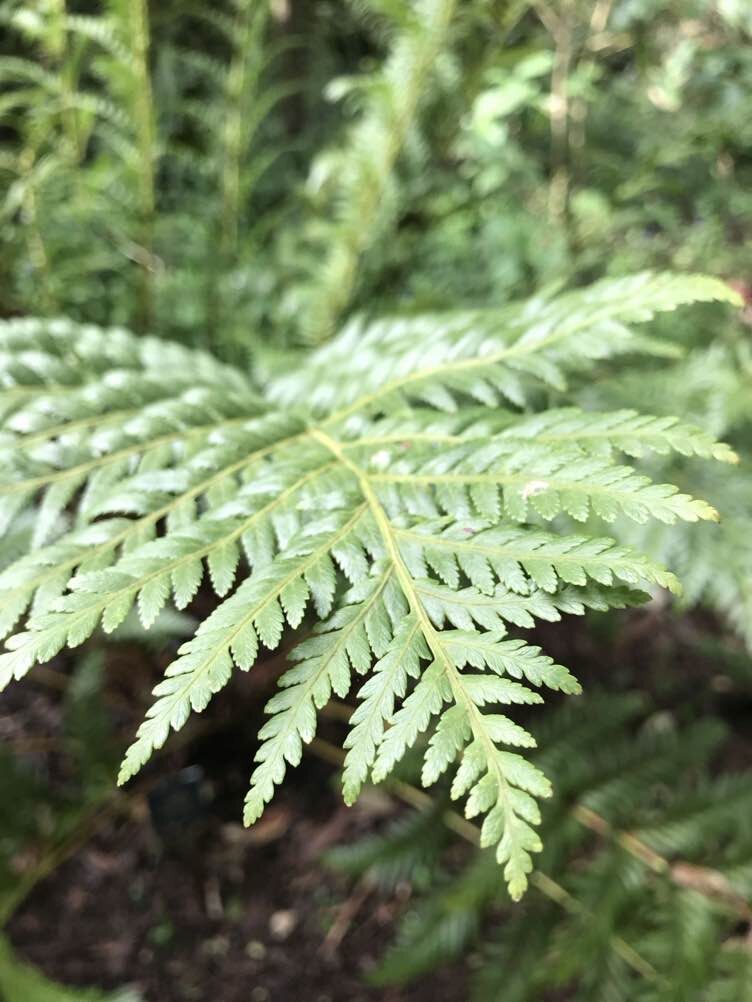
Evergreen shrub · Fern
Todea barbara
King Fern, Austral King Fern, Southern King Fern
Also known as: Todea africana, Osmunda barbara
A striking evergreen fern with leathery, dark green fronds, Todea barbara brings a prehistoric touch to sheltered gardens or conservatories.
- Full shade, Partial shade
- 0.6–1.5 m (2–5 ft)
- 0.6–1.2 m (2–4 ft)
- H3 · Zone 9
- Evergreen
Overview
Todea barbara, commonly known as the King Fern or Austral King Fern, is a slow-growing, long-lived evergreen fern native to Australia, New Zealand and South Africa. It forms a substantial, trunk-like base over many years, topped with a rosette of tough, dark green, finely divided fronds that can reach up to 1.2 metres in length, giving it a bold, architectural presence.
In the UK, this fern is not reliably hardy outdoors except in the mildest, most sheltered coastal gardens, so it is usually grown as a container specimen that can be moved under cover for winter, or kept permanently in a cool conservatory or greenhouse. It thrives in part shade with consistently moist, humus-rich soil and appreciates high humidity, making it a good choice for a sheltered courtyard or shaded patio in summer.
Although slow to establish, Todea barbara rewards patience with its handsome, glossy foliage and sculptural form, and specimens can live for many decades, even becoming cherished heirloom plants passed down through generations of gardeners.
At a Glance
Growing Conditions
Aspect Suitability
- North-facing
- East-facing
- West-facing
Site Tolerance
- Wet soil
Soil Tolerance
- Sandy
- Loam
- Acid
- Neutral pH
Foliage
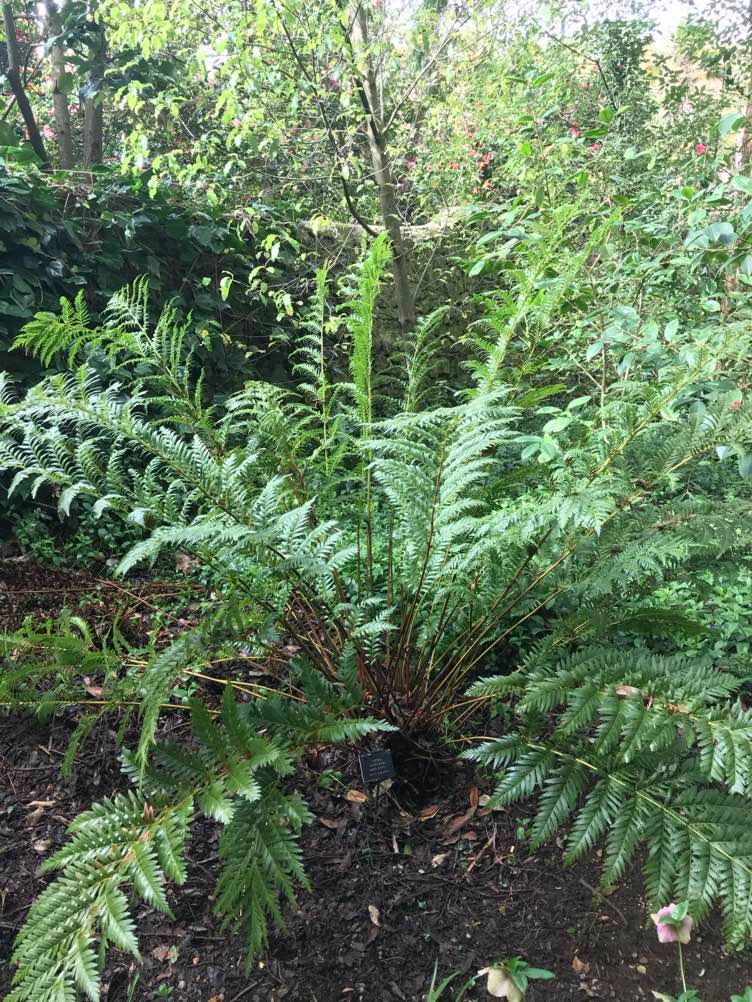
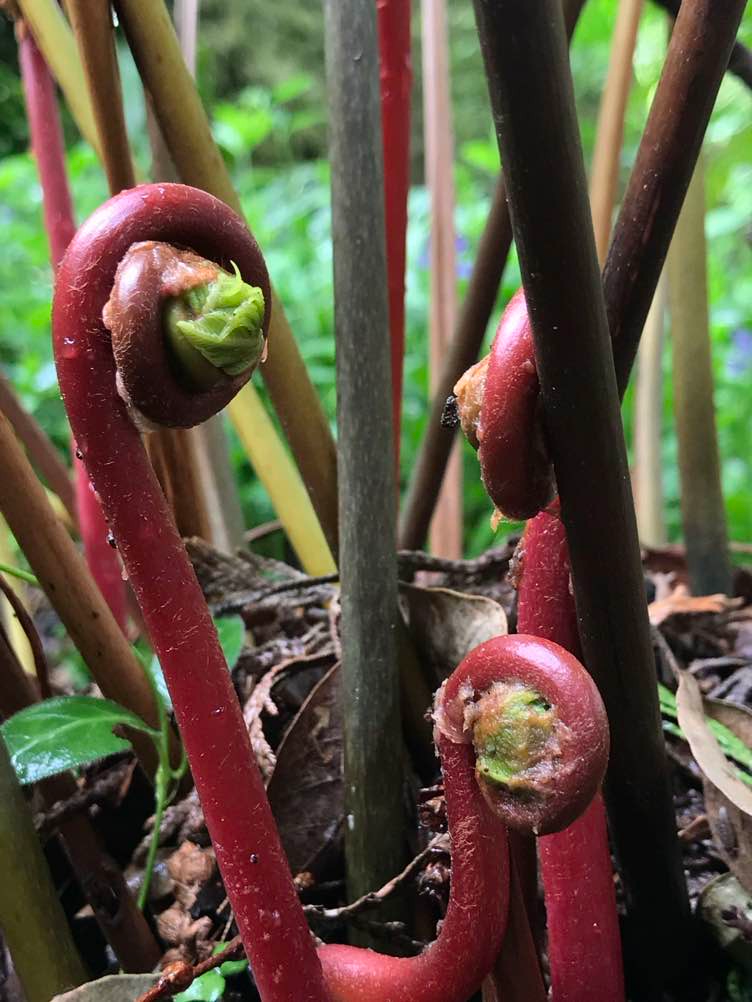
- Architectural foliage
Foliage interest: 12 months of the year
Seasonal Timeline
- Foliage 12 months of the year
- Propagate Mar Apr May Sep
How to propagate
Ways to grow more King Fern, Austral King Fern, Southern King Fern:
From seed Sep Tricky
- Needs light to germinate: press onto the surface, don't cover
- Germinates best at about 18°C
- Comes up in 14–60 days
- Prick out about 20 weeks after sowing
- Pot on about 30 weeks after sowing
- These are fern spores rather than true seeds, so they must be sown fresh as viability drops quickly; expect a slow process, with a moss-like green stage (prothalli) appearing before any recognisable tiny ferns form, often taking a year or more.
You'll need: Freshly collected spores from fertile fronds, sterile damp compost or spore-sowing mix, and a propagator or clear bag to keep humidity high.
- Collect ripe brown spores from fertile fronds in late summer by tapping them onto clean paper.
- Sow the spores straight away as they lose viability quickly, scattering thinly over the surface of sterile, damp compost.
- Do not cover the spores as they need light to germinate.
- Seal the pot inside a clear plastic bag or propagator to maintain constant humidity and place somewhere bright but out of direct sun.
- Keep the compost permanently moist and wait for a green, moss-like layer (prothalli) to form.
- Once tiny recognisable fern fronds appear, carefully prick out small clumps into fresh compost.
- How long
- Spores can begin germinating within weeks, but it takes many months, sometimes over a year, for proper young ferns to develop.
- It's worked when
- A green, moss-like growth (the prothalli stage) appears first, followed eventually by tiny, true fern fronds.
- Then
- Grow on in a shaded, humid spot, potting on gradually as plants bulk up; avoid disturbing the roots and keep compost reliably moist at all times.
Division Mar–May Takes a little care
You'll need: A sharp, clean knife or spade, a sheltered shaded spot to work in, and extra moist, humus-rich compost for replanting.
- Choose a large, well-established clump in spring just as new growth begins to show.
- Carefully lift the whole plant, keeping as much of the root ball intact as possible.
- Use a sharp knife to split the crown into sections, making sure each piece has roots and at least one growing point.
- Replant divisions immediately at the same depth they were growing before, in moist, fertile soil.
- Keep newly divided plants shaded, humid and consistently damp while they settle in.
- How long
- Divisions are slow to settle but usually show new frond growth within a couple of months.
- It's worked when
- New fronds begin unfurling from the divided crown, a sign it has rooted successfully.
- Then
- Keep shaded and well watered through the first growing season, mulch around the base, and avoid moving or disturbing the plant again for at least a year.
Mature plants produce spores on fertile fronds that can be collected and sown fresh onto damp sterile compost, though germination is slow and can take many months, so patience is needed. Division of large, well-established clumps is possible in spring, but King Ferns resent root disturbance, so split carefully and keep divisions humid and shaded until they re-establish.
Maintenance Calendar
- Jan Protect crown with horticultural fleece during hard frosts
- Jan Check fronds for scale insects
- Jan Keep compost just moist, avoiding waterlogging in cold weather
- Jan Inspect fronds for frost damage
- Feb Continue protecting from late frosts
- Feb Check for fungal spotting on damp fronds
- Feb Remove any frost-damaged or dead fronds
- Feb Water sparingly, keeping soil just moist
- Mar Divide large, congested clumps carefully
- Mar Sow fresh spores onto damp sterile compost
- Mar Begin light liquid feed as new growth starts
- Mar Apply mulch around the base to retain moisture
- Mar Check new fronds for aphids
- Mar Trim away old, tatty fronds before new growth emerges
- Apr Increase watering as new fronds unfurl
- Apr Apply diluted balanced liquid feed
- Apr Pot on rooted divisions or check spore progress
- Apr Watch for vine weevil larvae in compost
- Apr Top up mulch layer
- May Water regularly to keep compost consistently moist
- May Feed monthly with weak liquid fertiliser
- May Pot on rooted divisions or spore seedlings
- May Check for scale insects and aphids
- May Look for leaf spot in humid conditions
Garden Design
Works well in: Japanese / Zen, Tropical / Exotic, Woodland / Shade
This fern makes a dramatic focal point in a sheltered, shady spot, its dense rosette of leathery fronds bringing architectural, almost prehistoric drama to woodland or exotic planting schemes. Best grown singly as a specimen near water or in a damp, shaded courtyard where its bold texture can be appreciated up close.
Companion planting: Shade-loving perennials, Moisture-loving woodlanders, Other ferns, Hostas, Primulas
Wildlife Value
- Shelter
Safety
Todea barbara is not known to be toxic to humans or pets, making it a safe choice for family gardens. As with any plant, it's sensible to avoid eating it.