
Discover five easy plants to grow from seed that reward you with spectacular flowers, dramatic foliage and plenty of wildlife – without spending a fortune.
Growing plants from seed is one of the most rewarding and budget-friendly ways to enjoy being outdoors and connect with your garden.
For me, raising plants from seed or cuttings almost feels like magic. There’s something incredibly satisfying about watching a tiny seed develop into a mature plant that’s covered in flowers, admired by friends and family, and buzzing with pollinating insects. Knowing that it exists because of the time and care you invested in it makes it all the more special.
I always encourage people to have a go at growing plants from seed. It doesn’t have to be difficult, and many plants grow surprisingly quickly. In fact, some will reward you with spectacular foliage or flowers within just a few months.
If you’re wondering what to grow, here are five plants I’d recommend to almost anyone.
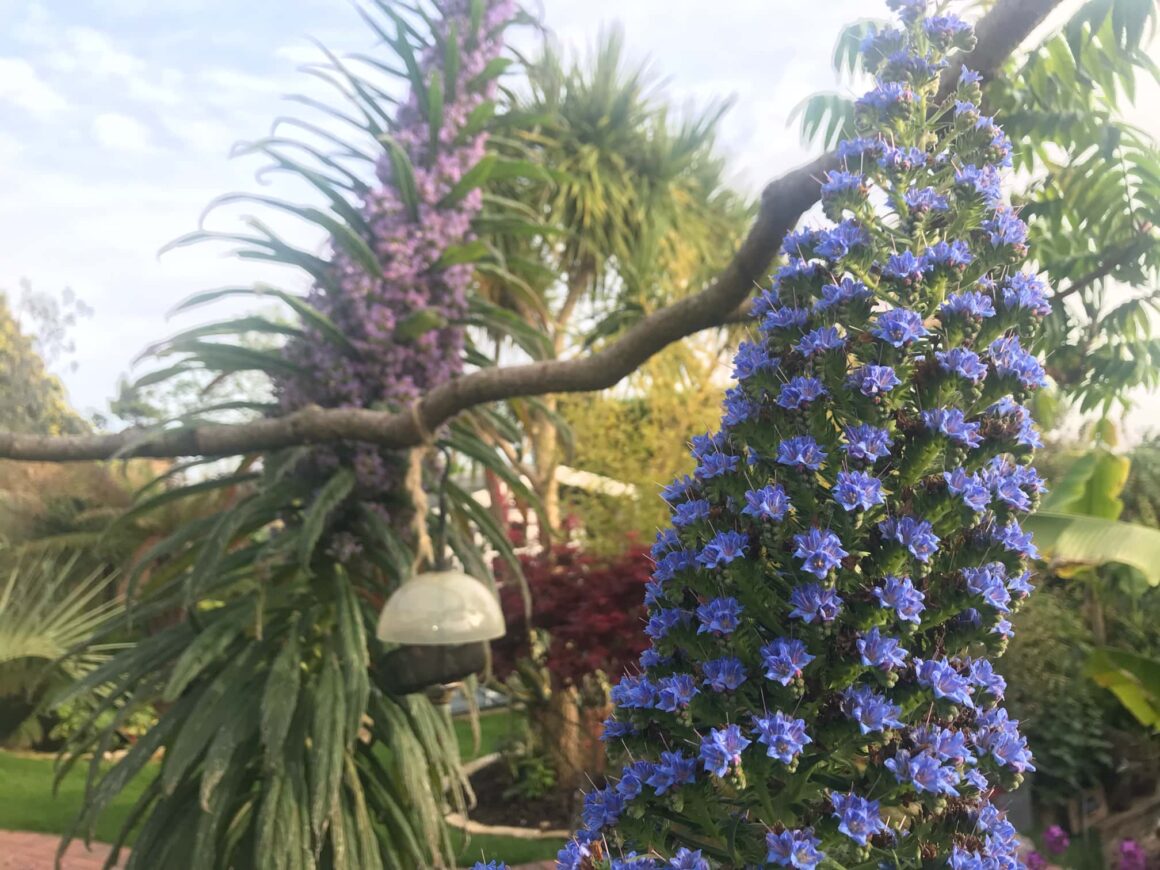
1. Echium pininana – The Ultimate Pollinator Plant
If you want to create drama in your garden, it’s hard to beat Echium pininana.
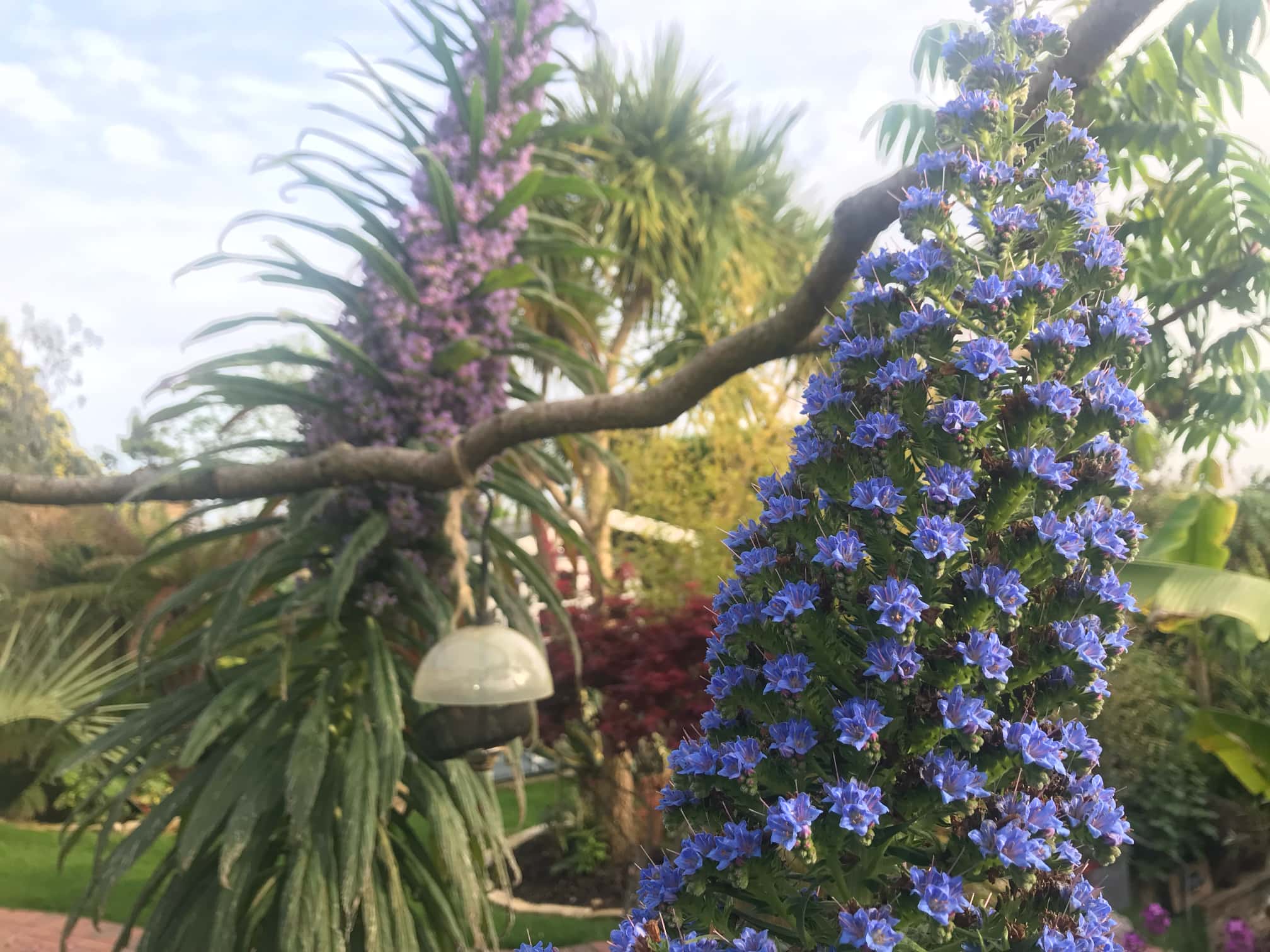
Native to the Canary Islands, this striking biennial produces towering flower spikes covered with thousands of nectar-rich blooms in shades of purple, pink and white. When they’re in flower, they’re absolutely alive with bees, butterflies and other pollinating insects.
The seeds are best sown in early summer. Young plants quickly form large rosettes of lance-shaped leaves before putting on their spectacular display in their second year.
One thing to remember is that Echium pininana doesn’t like having its roots disturbed, so prick seedlings out as soon as the first true leaves appear and pot them into deep pots. Once they’ve filled a one to two litre pot with roots, they’re ready to plant out.
In my garden, I prefer to keep young plants in the greenhouse, shed or conservatory through their first winter before planting them out the following spring. That’s when they’ll really take off before flowering.
Once they’ve finished flowering, they’ll usually self-seed generously, meaning you’ll rarely need to buy seed again.
Why grow it?
- Huge architectural flower spikes
- Fantastic for bees and other pollinators
- Drought tolerant once established
- Freely self-seeds in suitable gardens
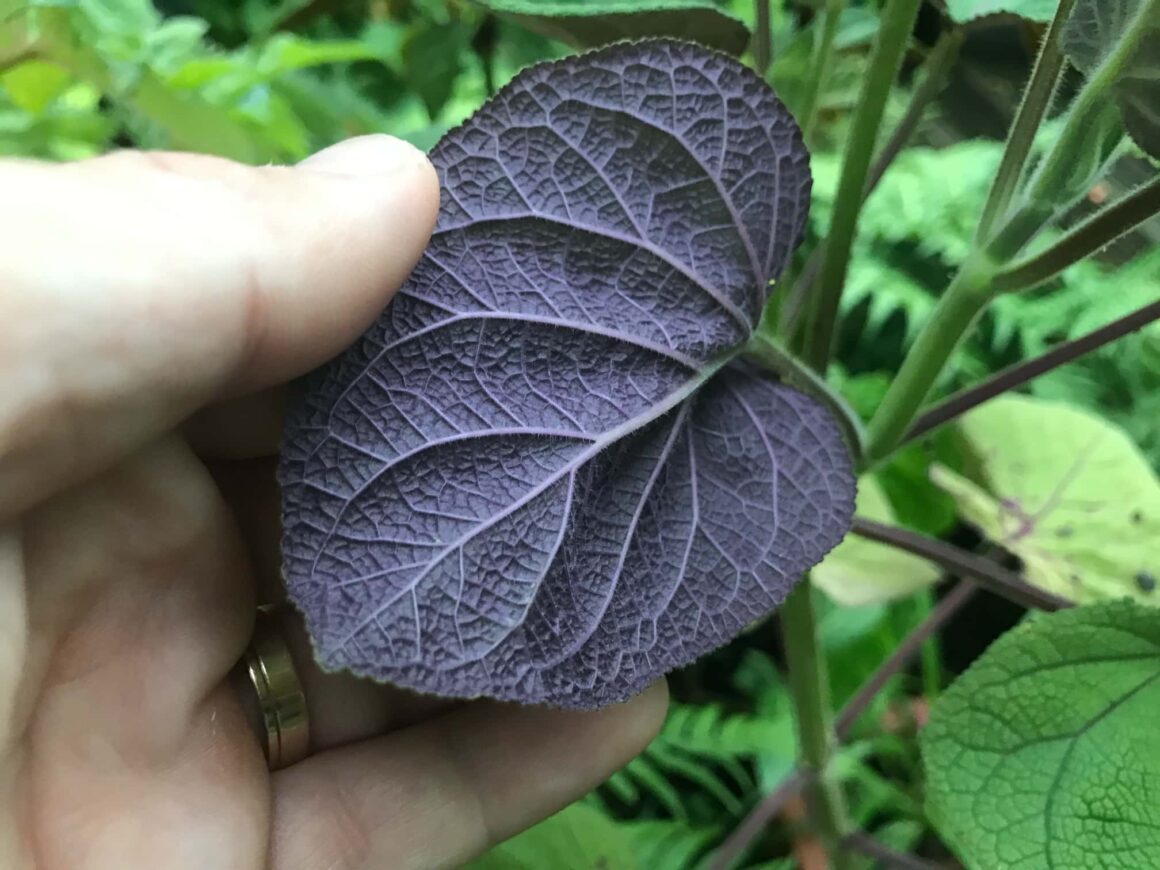
2. Salvia macrophylla Purple Leaf Form – Gorgeous leaves and blue blooms
There are countless salvias to choose from, but Salvia macrophylla ‘Purple Leaf Form’ is one I think deserves far more attention. You may have to search out seeds for this beauty from specialist growers, try Mike Clifford from @mikesrareplants on instagram or Grow Wild nursery.
Unlike many salvias, this one has leaves that are just as beautiful as the flowers. This form of Salvia macrophylla sports deep purple leaf undersides! The leaves are very sticky and have a slightly suspect aroma too.
It’s one of those plants that looks equally at home in cottage gardens, Mediterranean borders or tropical-style planting schemes.
Even better, it flowers very quickly from seed.
Simply sow into trays filled with free-draining compost and keep them somewhere bright. Germination is usually quick, and once the seedlings are large enough to handle they can be potted into 9cm pots before planting outside after the last frost.
This one is tender though,, so you’ll need to protect it from frosts in the colder months.
Why grow it?
- Flowers within weeks from seed
- Colourful purple foliage and rare blue flowers.
- Easy to grow
- Excellent for pollinators
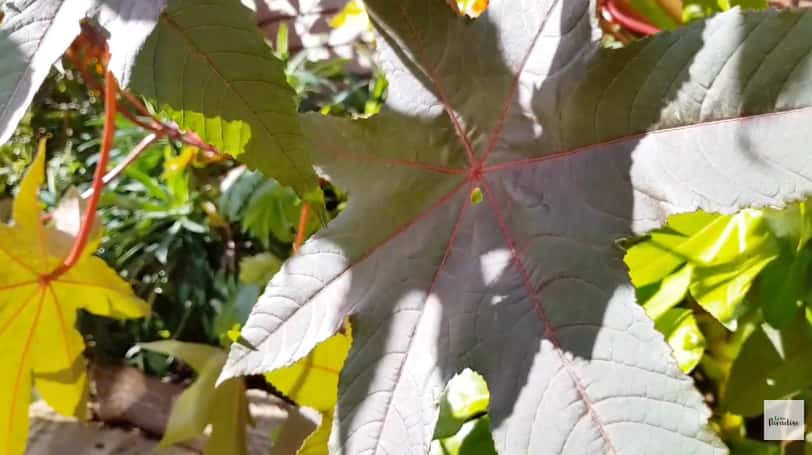
3. Ricinus communis ‘Red Giant’ – Tropical Drama in One Season
If you love bold foliage, Ricinus communis ‘Red Giant’, commonly known as the castor oil plant, is one of the quickest ways to create a tropical look.
Its enormous burgundy leaves have a metallic sheen and are held on deep red stems, making it a real statement plant. The flowers themselves aren’t particularly showy, but they’re followed by fascinating spiky seed pods.
Because these plants grow incredibly quickly, I wouldn’t sow them too early. Late May is usually ideal, as they’ll soon rocket upwards once they’ve germinated.
A trick I’ve used for years is sowing them into old cardboard toilet roll tubes filled with compost. Their roots can grow nice and deep, and when it’s time to plant them outside you simply plant the whole tube into the ground. The cardboard breaks down naturally, meaning the roots are hardly disturbed at all.
As they mature, their huge leaves can catch the wind like sails, so it’s often worth tying them to a sturdy cane for support.
Other cultivars, including ‘New Zealand Purple’ and the green-leaved species, are also well worth growing.
Why grow it?
- Massive tropical foliage
- Extremely fast-growing
- Great for adding height
- Perfect for filling new borders
Watch our video guide showing you how to grow Ricinus from seed:
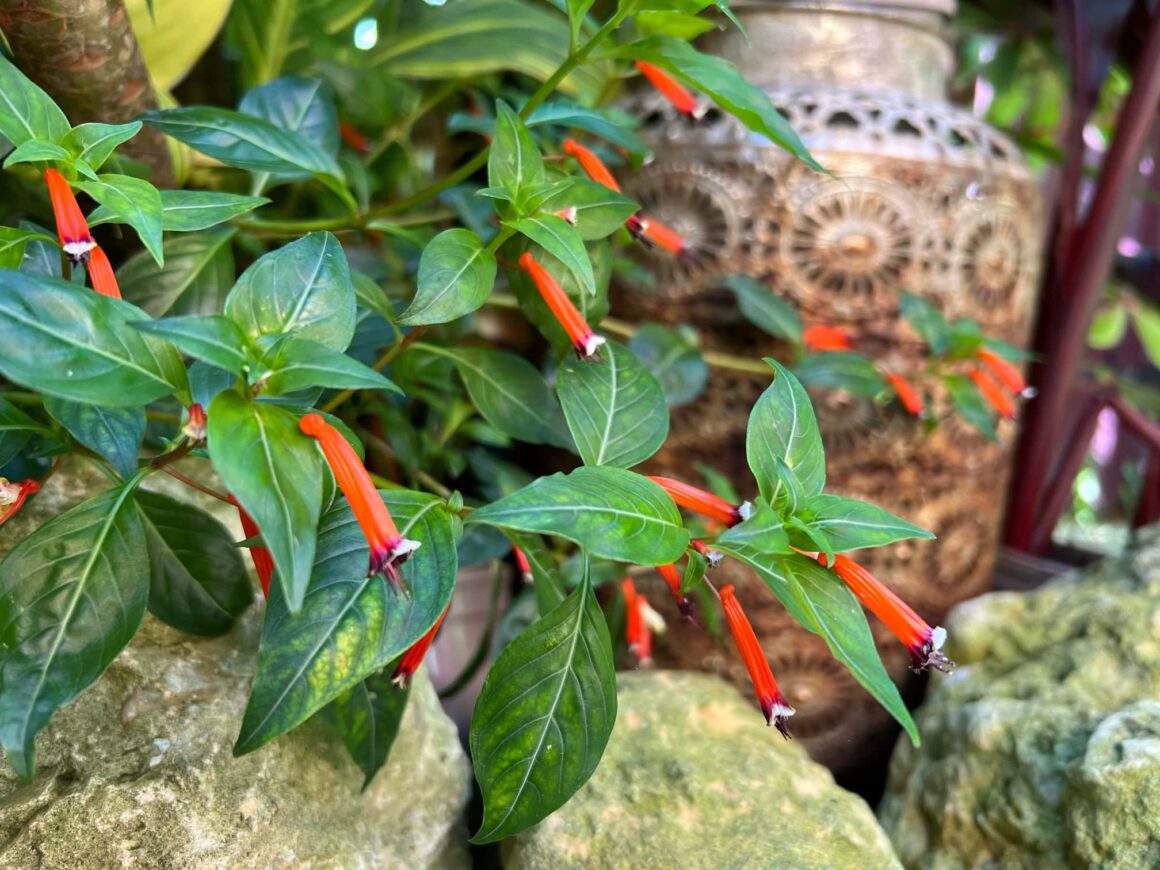
4. Cuphea ignea – A Non-Stop Summer Performer
Not every plant needs to be tall to make an impact.
Cuphea ignea, commonly known as the Mexican cigar plant, produces compact, shrubby plants around 30–50cm tall that flower almost continuously throughout summer.
Its tiny tubular orange flowers look as though the ends have been lightly singed, giving rise to its common name.
Seeds germinate readily in free-draining compost under bright conditions. I’ve found they make much fuller plants if they’re potted on in groups of two or three rather than individually.
Although tender, Cuphea can sometimes self-seed into gravel or warm sunny spots in mild parts of the UK, reappearing once temperatures rise again in late spring.
Once you’ve grown one plant, it’s also incredibly easy to take cuttings, giving you plenty of free plants for future years.
Why grow it?
- Flowers continuously all summer
- Great for filling gaps around larger plants
- Loved by pollinators
- Easy to propagate from cuttings
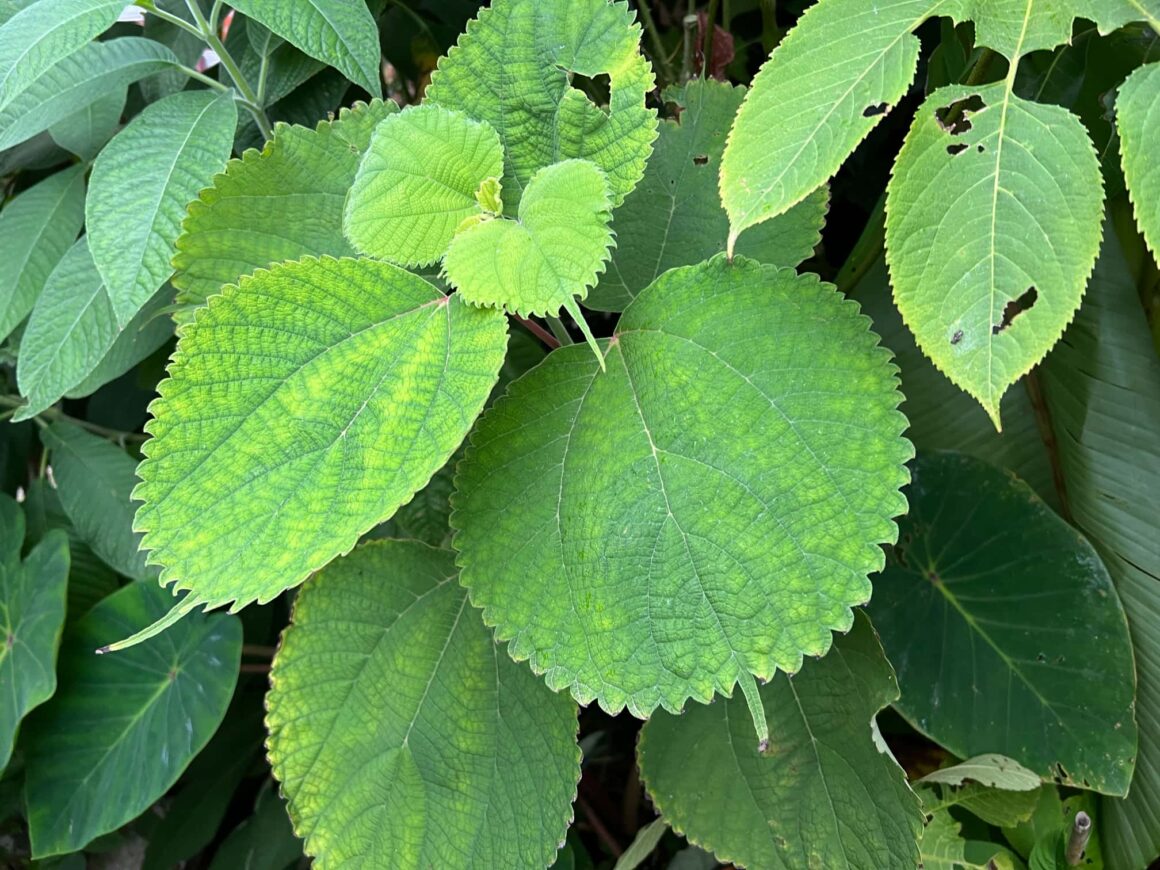
5. Boehmeria – The Foliage Plant More People Should Grow
The final plant on my list isn’t grown for its flowers at all.
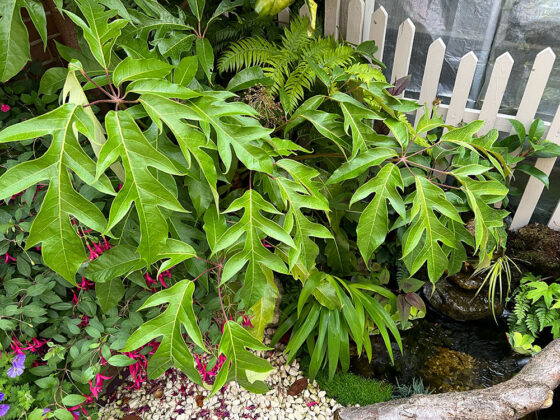
Boehmeria has become increasingly popular with gardeners who appreciate bold foliage and interesting leaf textures.
I’ve been growing Boehmeria platyphylla from seed originally purchased from Mike Clifford. That first plant produced plenty of viable seed, and I’ve been raising new plants from it ever since.
Although related to stinging nettles, these plants are completely stingless.
They grow rapidly from seed and, once established, are reasonably hardy.
The huge, dinner plate-sized leaves have beautifully textured veins and sharply serrated edges that contrast brilliantly against finer foliage such as grasses and ferns. If you’re trying to create a lush, jungle-inspired border, they’re well worth making room for.
Why grow it?
- Huge architectural leaves
- Fast-growing
- Excellent contrast with grasses and ferns
- Produces plenty of seed for future plants
Growing Your Own Plants Is Incredibly Rewarding
There are countless plants you can grow from seed, but these five are among the quickest to reward you with impressive foliage, beautiful flowers or both.
If you’re just getting started, they’re forgiving, fast-growing and will give you the confidence to try even more challenging plants in the future.
And if you’ve got the patience to wait a year or two for some of the slower growers, the possibilities are almost endless.
There’s something incredibly satisfying about looking around your garden and knowing so much of it started life as a handful of tiny seeds.
Frequently Asked Questions
What are the easiest plants to grow from seed?
Some of the easiest ornamental garden plants include Echium pininana, Salvia viridis ‘Oxford Blue’, Ricinus communis ‘Red Giant’, Cuphea ignea and Boehmeria platyphylla. All germinate readily and grow quickly with basic care. Some of the seeds are easier to find than others.
When should I sow seeds in the UK?
It depends on the plant, but most annuals and tender perennials are sown from March to May, while biennial plants such as Echium pininana are often best started in early summer to produce strong plants before winter.
Which plants from seed are best for pollinators?
Echium pininana, Salvia viridis, and Cuphea ignea all produce nectar-rich flowers that attract bees, butterflies and many other beneficial insects.
Can I grow tropical-looking plants from seed?
Absolutely. Plants such as Ricinus communis and Boehmeria platyphylla create a lush tropical effect within a single growing season and are among the fastest ways to give a young garden a more established look.