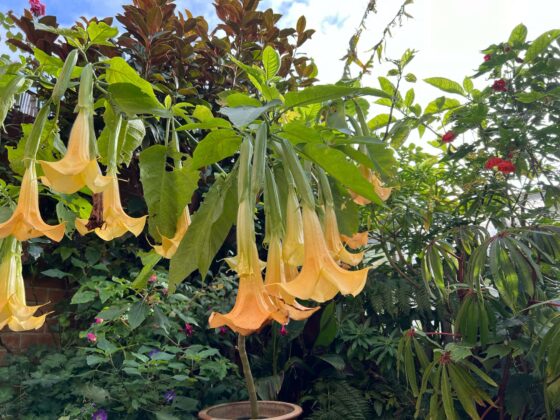

Over the past year, I’ve decided to make some changes in our garden. I wanted to keep the exotic and tropical feel that I love, but soften it with some cottage-style planting inspired from parts of the garden my wife has designed.
It brings together both mine and my wife’s favourite gardening styles, but more importantly, it’s transforming the garden into a much more wildlife-friendly space. As the garden became more focused on architectural foliage, I noticed a real decline in the number of bees, butterflies and birds visiting. That might suit some people, but for me, a huge part of enjoying a garden is seeing wildlife enjoy it too.
So I knew something had to change.
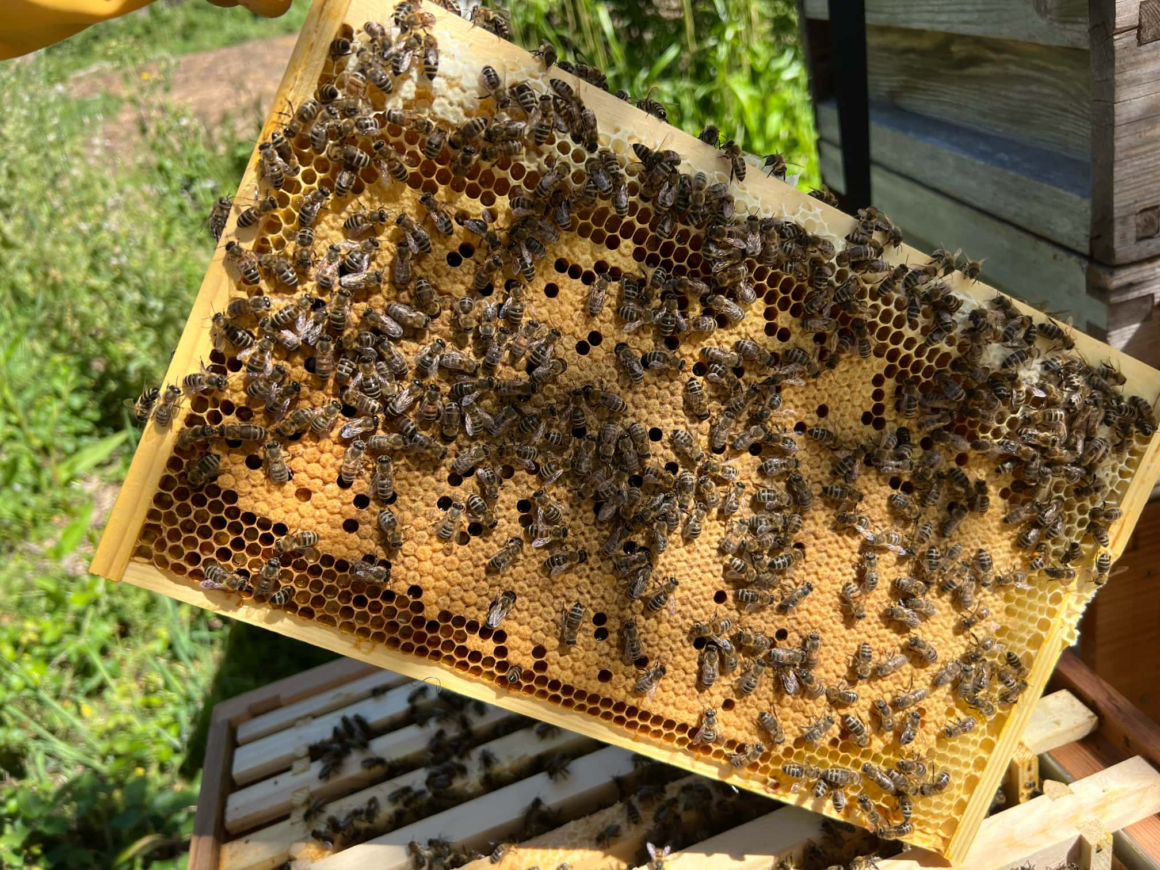
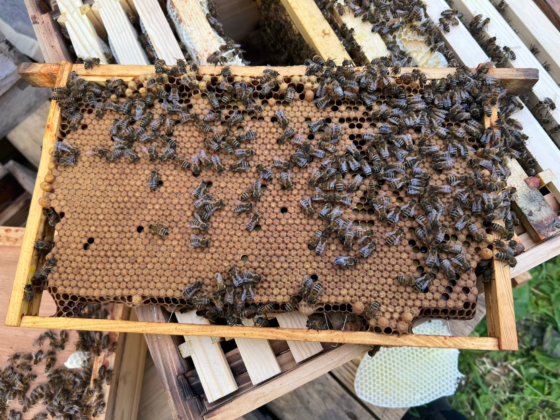
I’ve recently taken up beekeeping, which has massively raised my awareness of how important nectar-rich plants are throughout the year. Pollinators and other beneficial insects need a constant supply of food, so the first thing we did was remove a few plants to make room for species that would be far more valuable to wildlife here on the Dorset coast.
The first to go was the hardy banana, Musa basjoo. I absolutely love this plant for creating bold tropical foliage in a climate where temperatures can drop to -10°C and it still survives. However, our garden is tiny, and anyone who grows bananas will know that one plant soon becomes a clump. Before long, you’ve got multiple stems reaching 12–15 feet tall, sometimes even taller, each with trunks up to a foot across.
It’s impressive, but in a small garden it was simply taking up too much space.
Rather than throw them away, I donated them to my sister and her partner. They’ve planted them in their garden, and it’s been lovely to see them settling in well.
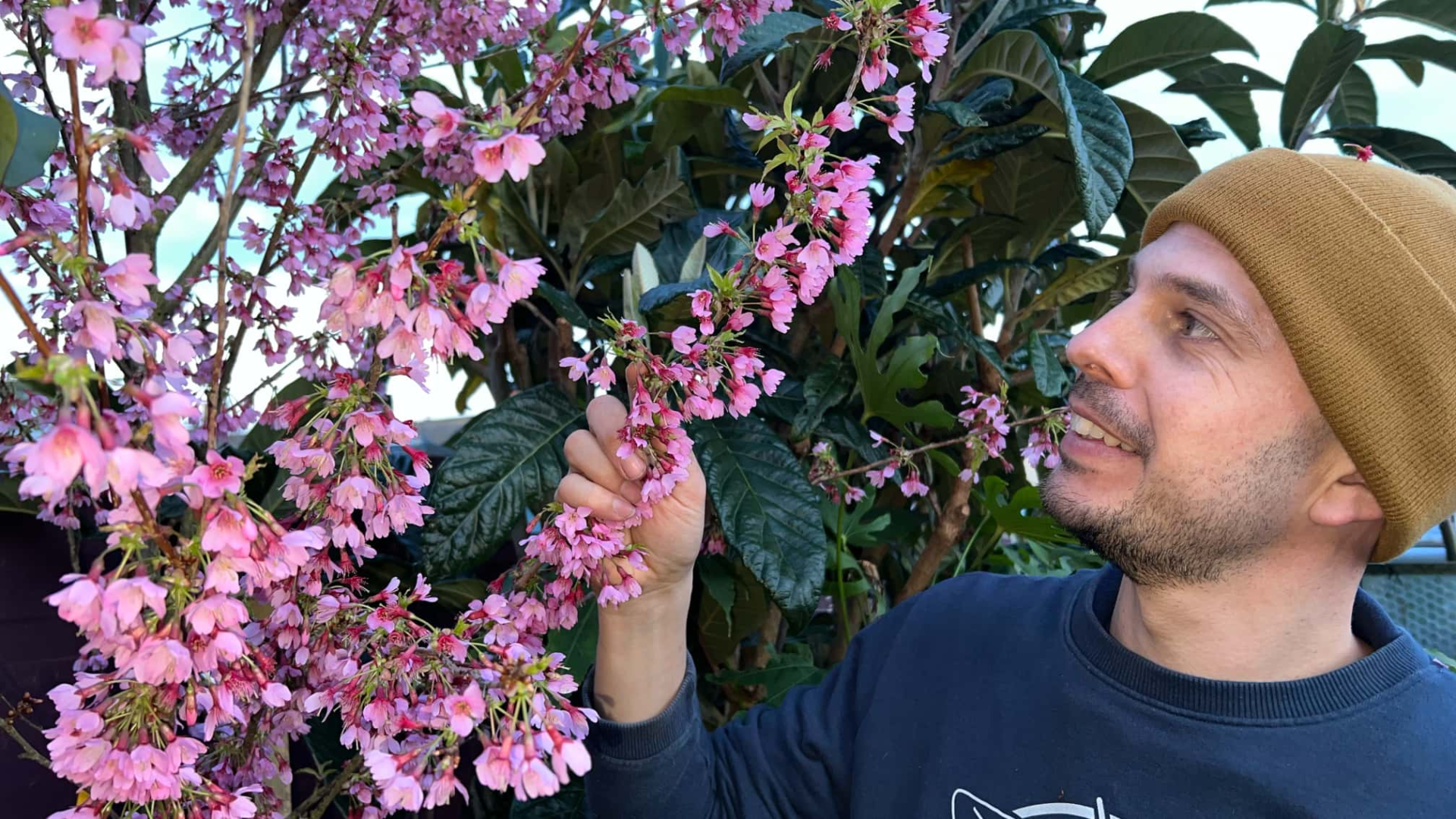
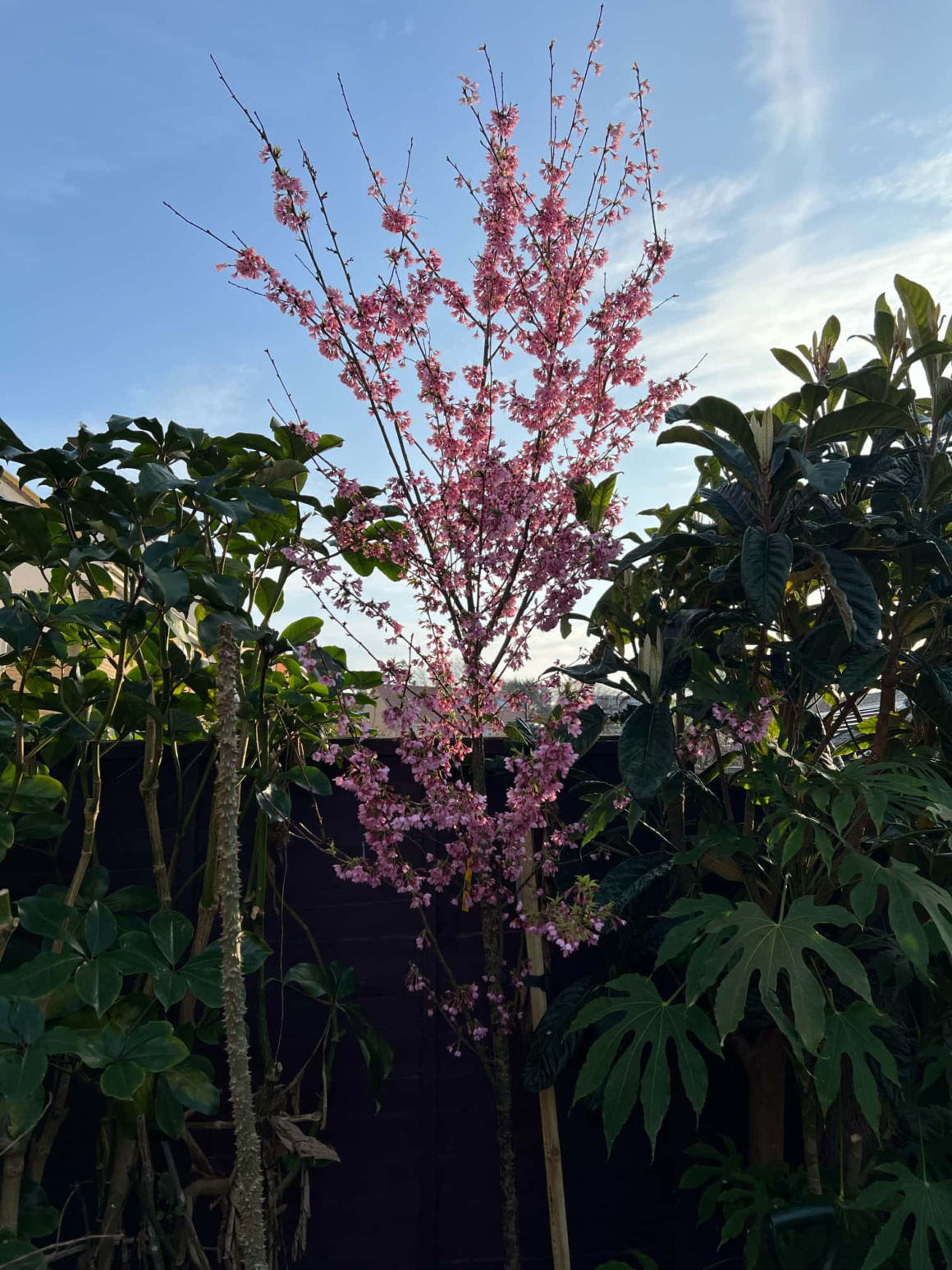
With the bananas gone, we started looking for a replacement and found a cherry tree, Prunus ‘Okame’. My wife and I spotted it at a garden centre and immediately fell in love with it. The pot was almost exactly the same size as the hole left by the bananas, which felt like a sign.
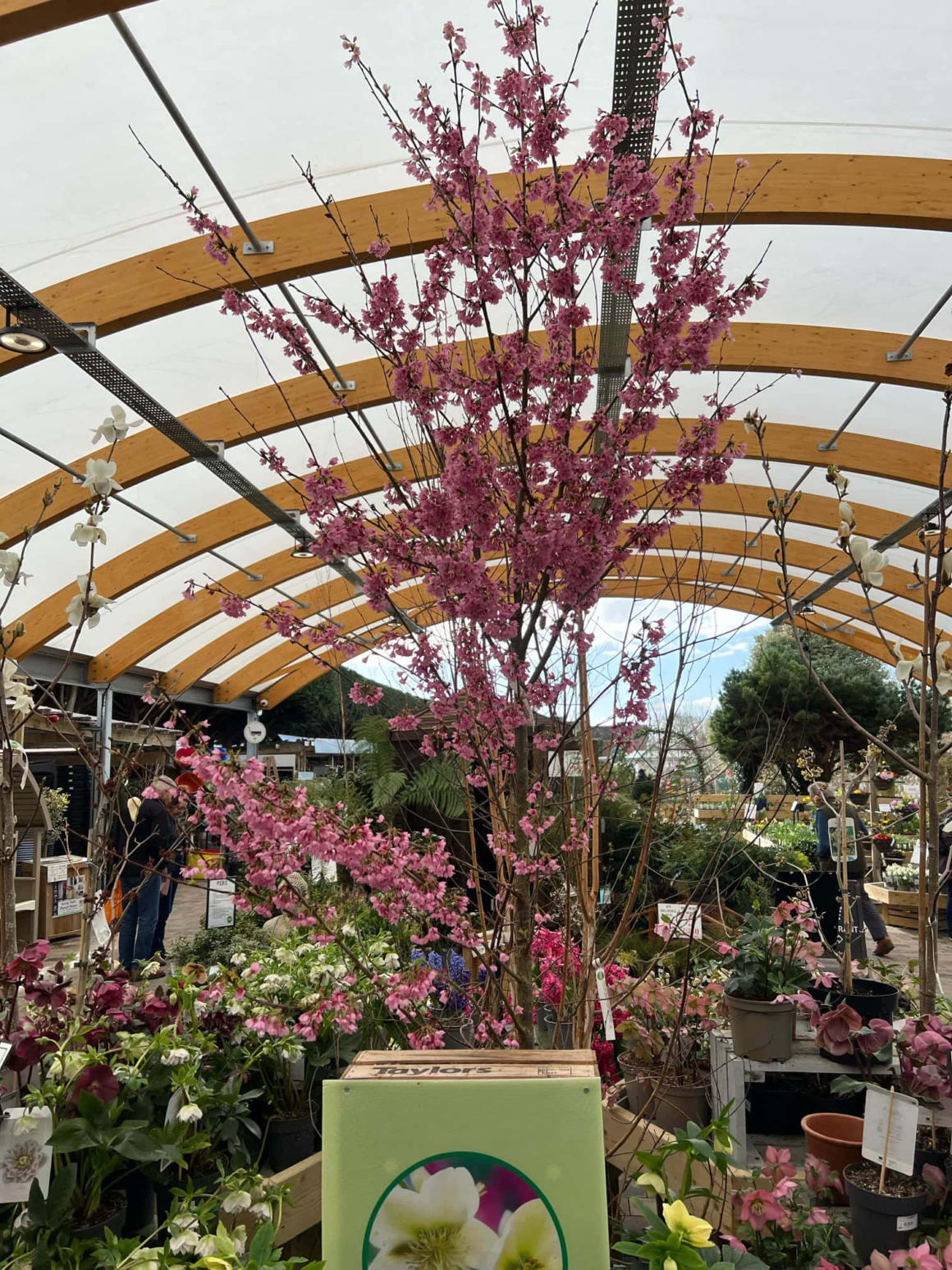
Before I’d even planted it, bumblebees were visiting the flowers. That was enough to convince me we’d made the right choice.
Once planted, the early-season colour transformed that part of the garden. This was in early to mid-March, when everything else was still waking up. The pink blossom broke up the sea of green and filled the garden with the buzz of bees. It was a simple change, but it marked the beginning of a much bigger shift.
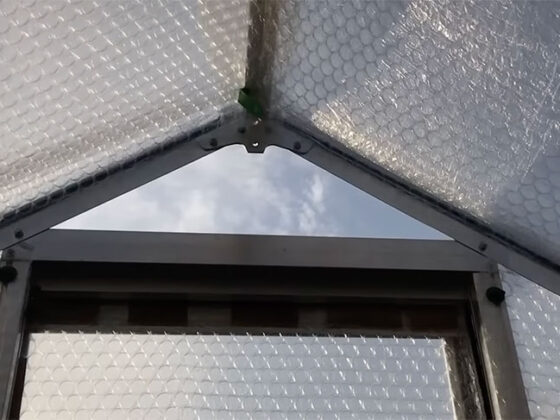
I’ve also grown far more plants from seed this year. Having extra space in the greenhouse has allowed us to grow plants specifically for our own garden, rather than always thinking about growing for sale.
One of the plants I grew was Cerinthe major, a favourite of pollinators. I sowed an early batch in the hope of getting flowers by May after seeing some flowering beautifully in a nearby garden. Unfortunately, aphids completely destroyed those seedlings. Not to be beaten, I sowed another batch, and they’re just coming into flower now in late May.
The foliage is a beautiful glaucous blue-green, carried on gently arching stems, and at the tips hang clusters of deep purple flowers. They’re fantastic at the front of borders and containers, and bees absolutely adore them. I’m looking forward to seeing the pollinators discover them over the coming weeks.
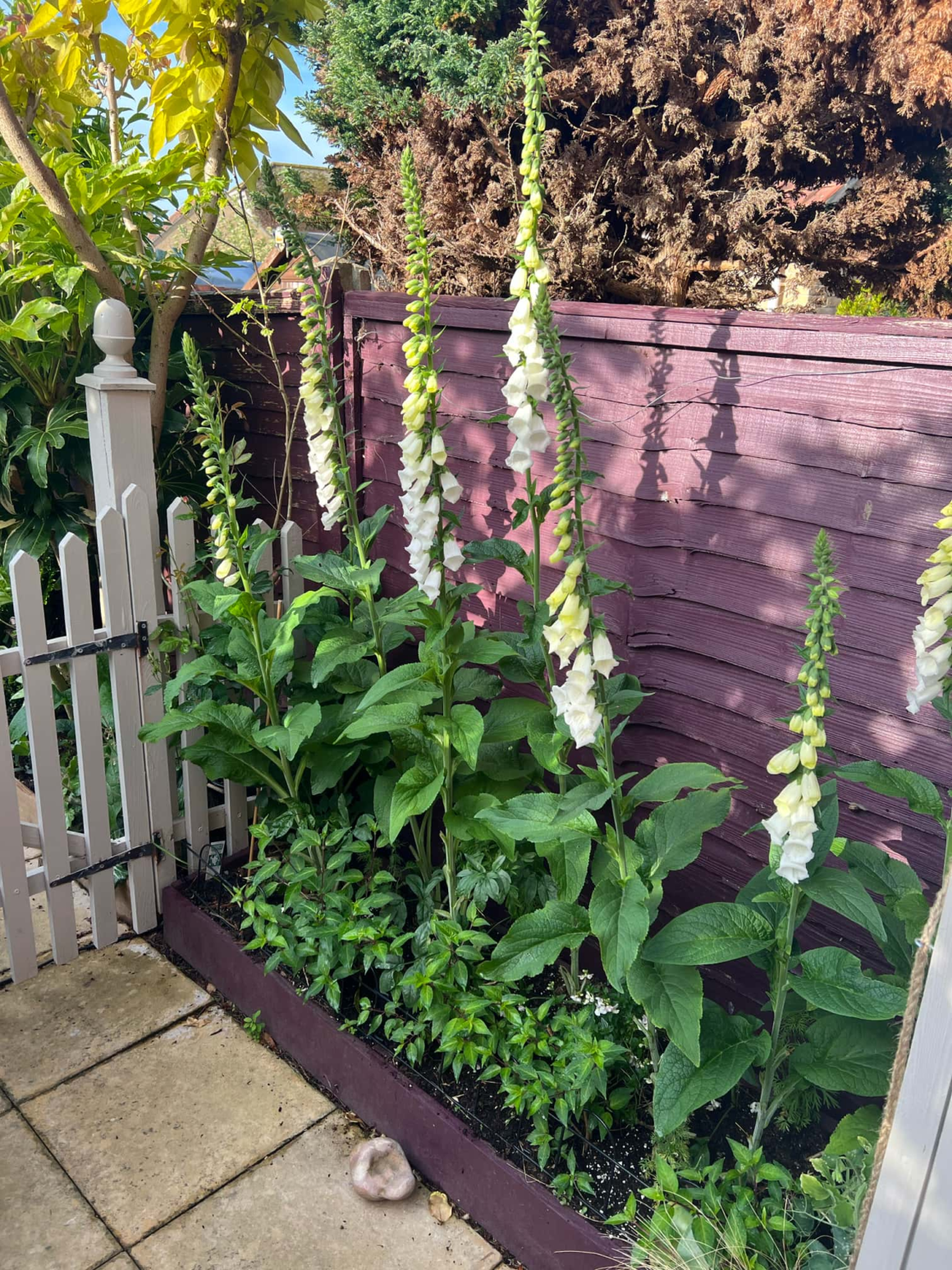
Another plant we’ve added in abundance is foxglove. My wife has always loved foxgloves and wanted them in the garden for years, but when I was being a bit too strict about following the unwritten rules of tropical gardening, I resisted. Looking back, I’m so glad she changed my mind.
I grew dozens of white foxgloves from seed, and we’ve planted them throughout the garden. Some are already over six feet tall. One of my favourite things is sitting on the patio and listening to bumblebees disappear into those trumpet-shaped flowers. The sound is incredible. It’s like hearing tiny instruments being played all around the garden. They’re adding height, structure and colour, but more importantly, they’re helping the garden feel alive.
What’s been particularly surprising is how much more enjoyable the garden is in spring. When it was purely tropical themed, this time of year could be frustrating. Some plants were slow to emerge if the weather stayed cool, while others looked tired after winter.
By mixing in plants that are deservedly popular, we’ve created a much longer season of interest around the tropical plants that remain.
Roses are a perfect example.
Anyone familiar with our garden will know that my wife loves roses. Here on heavy clay soil, which can be challenging for many plants, roses absolutely thrive.
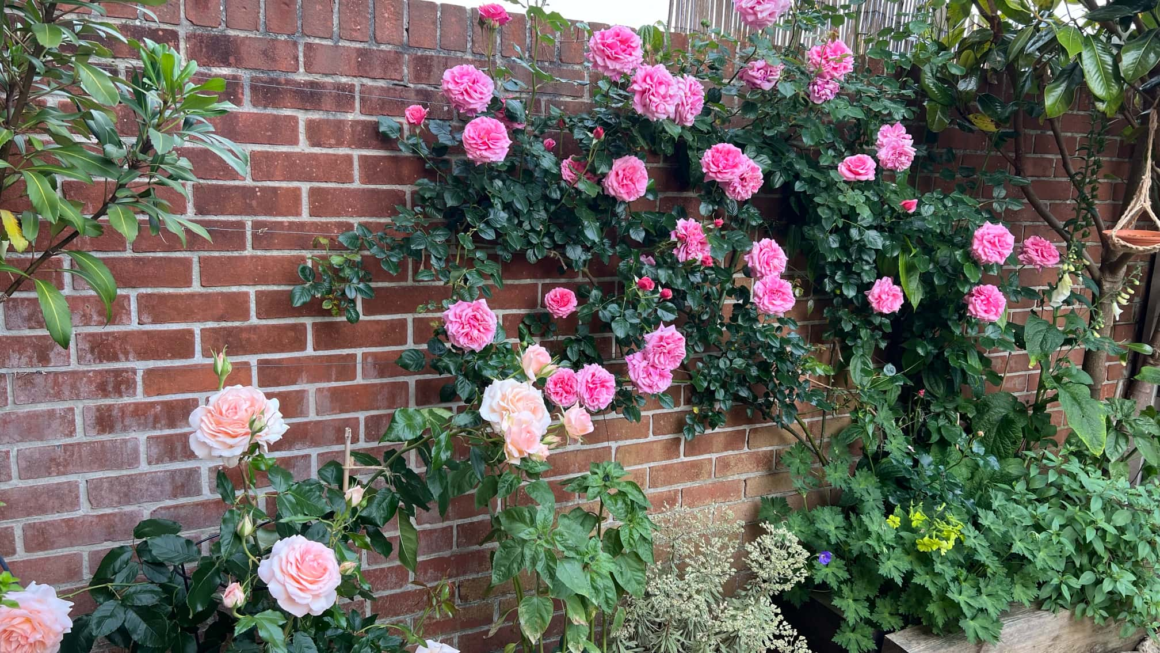
My wife grows a pink climbing rose, Rosa ‘Aloha’, trained against a wall and looking magnificent at this time of year. To my surprise, I’ve completely fallen for roses myself.
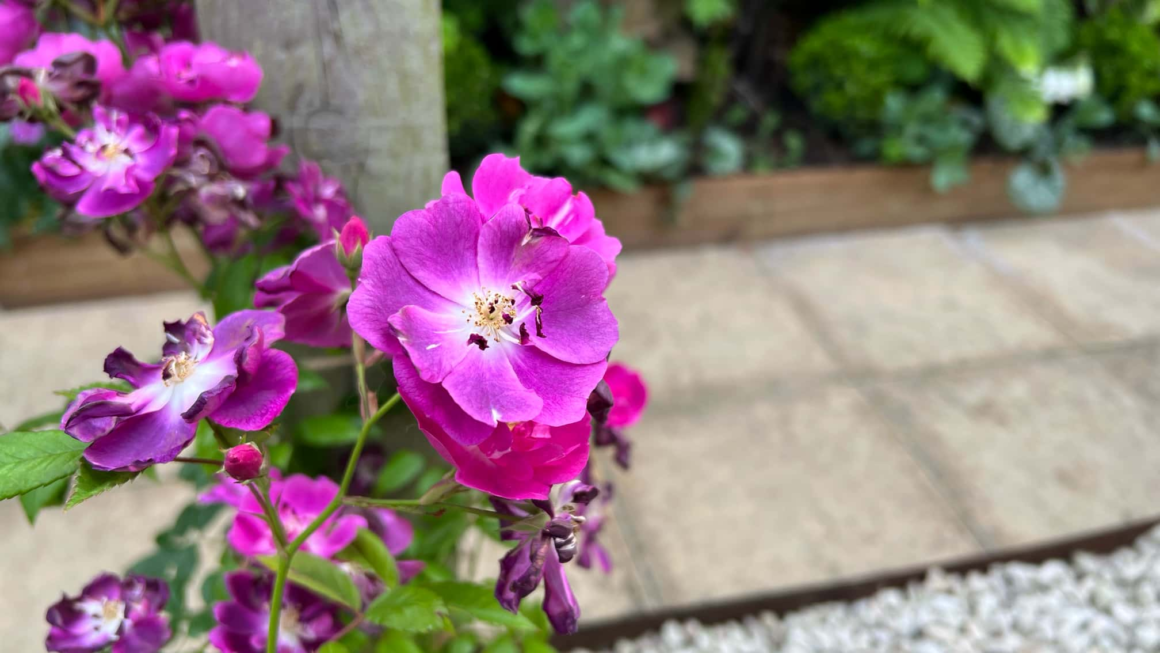
For years I insisted they weren’t for me, but after seeing and smelling my wife’s collection flourish, I couldn’t resist adding one of my own. I chose a scented purple rambler Rosa ‘Purple Skyliner’ to climb the post that supports our hammock. Scent is something my wife always prioritises in the garden, and I have to admit it transforms the experience of being outside. On warm or slightly damp days, the fragrance drifts across the garden and adds another layer of enjoyment.
The rose flowers in clusters of deep purple blooms that fade to softer mauve tones. It should eventually reach around two metres tall, and I think it looks fantastic planted alongside our honeysuckle, Lonicera × brownii ‘Dropmore Scarlet’.
The combination of rich purple flowers against fiery orange-red honeysuckle creates a wonderfully vibrant, almost tropical effect using plants that many people would consider cottage garden staples.
That’s probably the biggest lesson I’ve learned through all of this.
Plant what you love.
If you’re forcing yourself to grow plants because you think other gardeners will approve of them, but you don’t actually enjoy them, gardening starts to feel like hard work.
When you’re at a garden centre and a plant catches your eye, whether it’s because it’s covered in pollinators, smells incredible or simply makes you smile, take it home and find a place for it.
Popular plants became popular for a reason.
There’s absolutely no shame in growing common favourites alongside rare and unusual plants. Mix them together. Create your own unique patch of paradise.
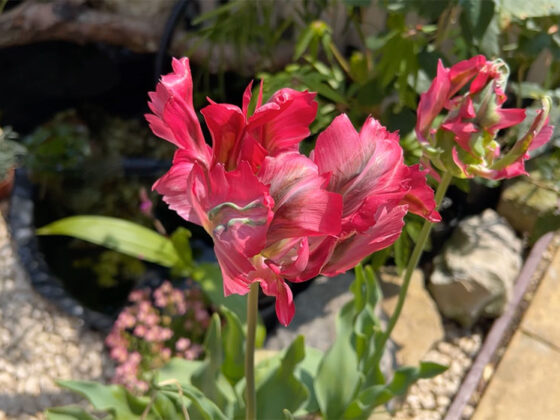
We’ve also added far more spring-flowering bulbs. This year we enjoyed camassias, irises, hyacinths, daffodils and tulips, providing nectar-rich flowers from February onwards for emerging pollinators.
The camassias were a particular success. Bumblebees absolutely loved them, and they flowered for weeks.Being me, I chose one of the largest cultivars available, but the foliage does take up quite a bit of space after flowering. Because the leaves need to remain until they’ve fed the bulb for next year’s display, things can look a little untidy at a time when I’m keen to plant summer displays. Next year I might try a smaller variety, but they’ve definitely earned a permanent place in the garden.
I’m so glad to see that these early changes in the garden have been so effective at encouraging the wildlife to return.
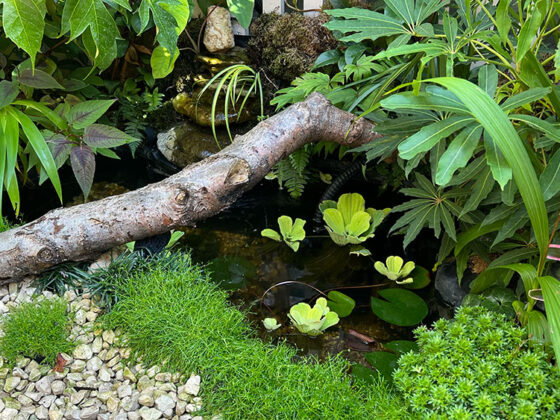
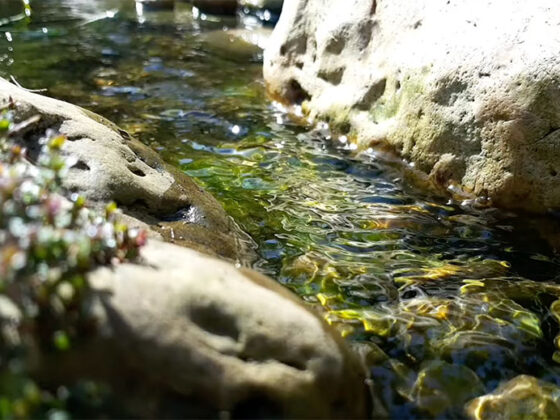
We’ve seen numerous species of bees, frogs, tadpoles, a newt in the pond, and our minnows are colouring up for the breeding season. Sparrows, blue tits, wrens, magpies and crows all visit regularly, and the sheer variety of insects is remarkable.
What’s incredible is that when we first moved here, the garden was almost lifeless. The soil was compacted clay, and the only plants growing were bindweed and ivy. When first digging over the garden we could find a single earthworm, woodlouse or snail.
I couldn’t see the potential back then.
My wife could.
Her imagination has guided every version of this garden, and her sketches have shaped every stage of its development.
Now, seeing it filled with flowers, wildlife and movement, I’m excited to see where the next chapter takes us as we continue creating a garden that’s not only beautiful for us, but a home for wildlife too.